Chronic musculoskeletal pain remains one of the most common reasons patients seek ongoing care. For many years, treatment pathways relied heavily on pharmacological options, particularly opioids and nonsteroidal anti-inflammatory drugs. While these medications provide short-term relief, their limitations in long-term use are well established. Concerns around dependence, tolerance, and systemic side effects have led to a shift in how clinicians approach persistent pain.
Current clinical thinking increasingly supports conservative, non-pharmacological strategies as first-line care. Within this shift, low-level laser therapy (LLLT), also referred to as photobiomodulation, is gaining attention as a non-opioid alternative for managing chronic pain. It offers a non-invasive method of addressing pain that does not rely on systemic drug exposure.
LLLT is not a replacement for all forms of pain management. It is best understood as part of a structured, multimodal approach to non opioid pain relief that prioritizes safety, function, and long-term outcomes.
Why the Shift Away from Opioids
Opioids act on receptors in the central nervous system to reduce pain perception. This mechanism can be effective in acute settings or palliative care. In chronic musculoskeletal conditions, however, long-term use presents several challenges.
Patients may develop tolerance, requiring higher doses to achieve the same level of relief. Some may experience increased pain sensitivity over time. Others face the risk of dependence, even when medications are used as prescribed.
Nonsteroidal anti-inflammatory drugs (NSAIDs) also carry risks with prolonged use, including gastrointestinal and cardiovascular effects. These limitations have contributed to updated clinical guidelines that emphasize non-opioid and non-invasive approaches to pain management wherever appropriate.
How LLLT Works in Pain Management
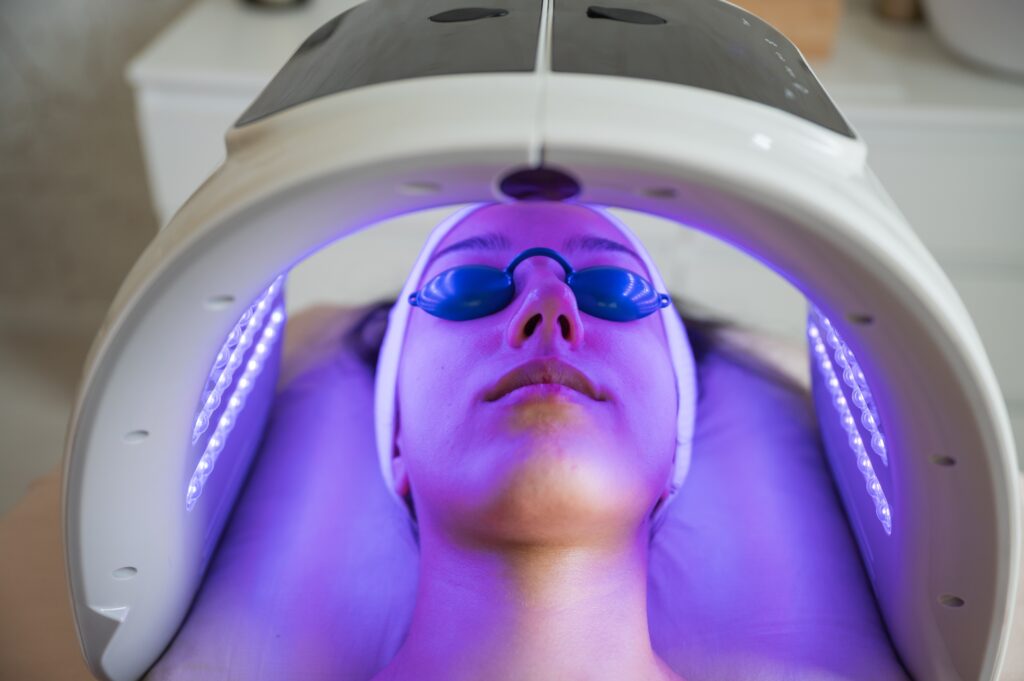
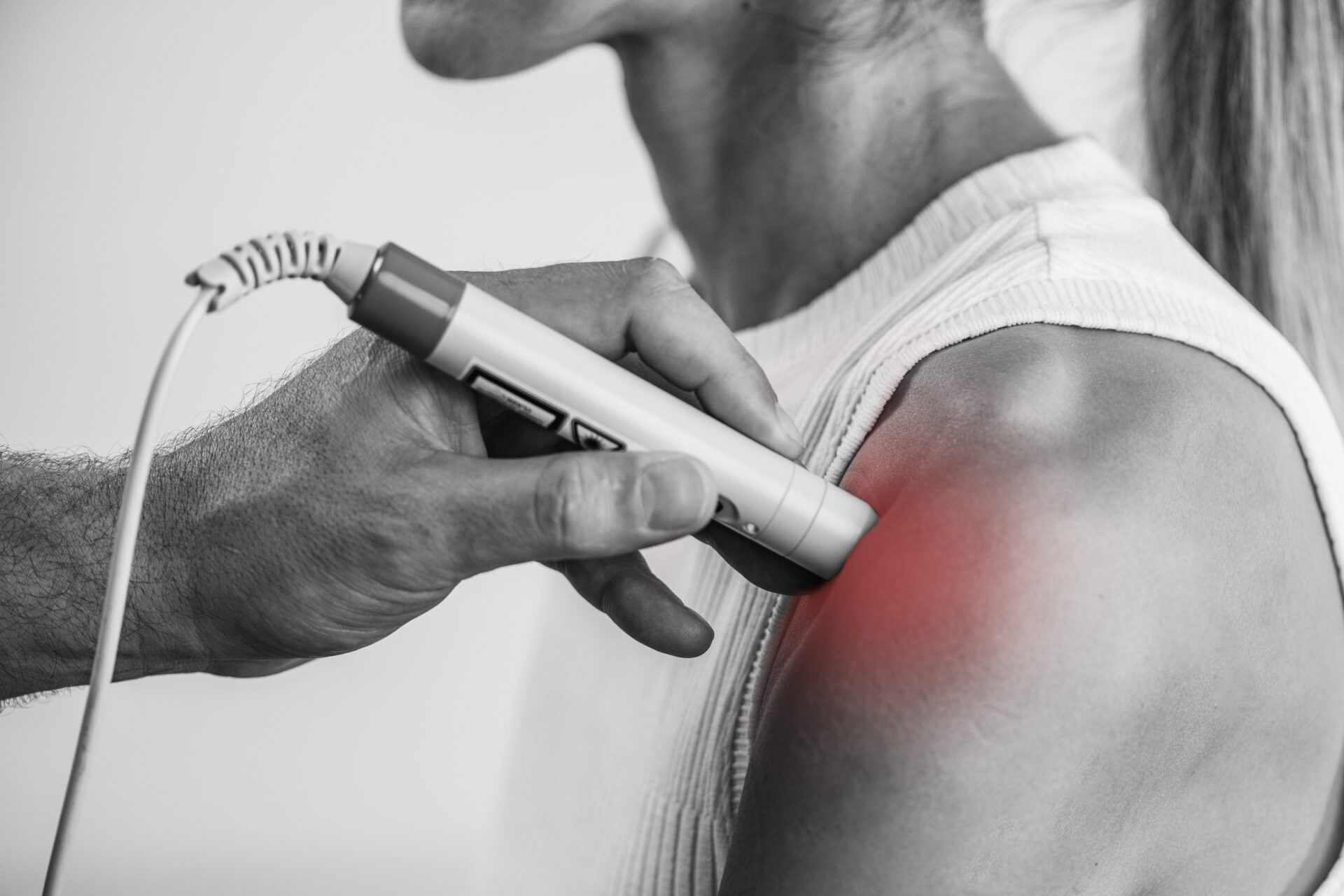
LLLT uses specific wavelengths of red or near-infrared light applied to targeted areas of the body. Unlike surgical lasers, it does not produce heat or damage tissue. Its effects are photochemical.
When light energy is absorbed by cellular components, particularly within the mitochondria, it can influence cellular function. This includes the production of adenosine triphosphate (ATP), which provides energy for repair and maintenance.
In the context of pain, several biological effects are relevant. LLLT has been shown to modulate inflammatory pathways. It may reduce levels of mediators associated with pain and swelling, thereby contributing to symptom relief. It can also support microcirculation, improving the delivery of oxygen and nutrients to affected tissues while assisting in the removal of metabolic byproducts.
There is also evidence that LLLT can influence nerve conduction. By altering how pain signals are transmitted, it may reduce perceived discomfort. Understanding the science behind how laser therapy works for pain provides deeper context on these mechanisms.
This differs from opioid-based approaches, which act centrally on pain perception rather than supporting local tissue processes.
Evidence Supporting a Non-Opioid Approach
Clinical research on LLLT in chronic musculoskeletal pain continues to expand. Multiple studies have reported reductions in pain intensity and improvements in functional outcomes following treatment.
One report noted that LLLT has been described as more effective than opioids or NSAIDs in certain chronic pain conditions, without the associated risks of side effects or dependence.
These findings should be interpreted carefully. Outcomes vary depending on patient characteristics, treatment protocols, and study design. However, the available evidence supports the role of LLLT as a clinically relevant component of non opioid pain relief.
Pain specialists have increasingly emphasized the importance of combining multiple conservative therapies. Within this framework, photobiomodulation is being used to support both symptom control and tissue recovery.
Comparing LLLT and Opioid-Based Care
The distinction between LLLT and opioid therapy is best understood in terms of mechanism, safety, and long-term use. For a broader view, see how LLLT compares with other pain management therapies.
Mechanism:
Opioids act on the brain and spinal cord to alter pain perception. They do not address the underlying tissue condition, and relief is often dependent on continued use. Whereas LLLT acts at the site of tissue dysfunction. It influences cellular activity in ways that may support tissue repair and modulate inflammatory processes.
Safety:
Opioids carry well-documented risks, including dependence and systemic side effects. By contrast, LLLT does not involve systemic drug exposure and, when used appropriately, has a low risk profile.
Response pattern:
Opioids may provide rapid relief, but their effectiveness can diminish with prolonged use. On the other hand, LLLT produces gradual changes that develop over a series of treatments and reflect underlying biological responses.
These differences support the use of LLLT as a laser therapy alternative to opioids, particularly within conservative, non-pharmacological pain management strategies.
Clinical Application and Patient Experience
In practice, LLLT is typically delivered in a series of sessions over several weeks. The treatment is non-invasive and does not require recovery time. Patients can return to normal activities immediately after each session.
Pain reduction is often gradual. Some patients report early changes, while others notice improvement over time as treatments accumulate.
A typical clinical scenario involves a patient with chronic lower back pain who has relied on intermittent medication for relief. Devices such as the Erchonia FX 635, which holds FDA market clearance for chronic low back pain, provide a clinically validated option for these patients. When LLLT is combined with a rehabilitation program, the patient may experience improved tolerance to movement and reduced pain intensity.
As function improves, reliance on medication may decrease. This reflects how LLLT can support drug-free pain management without replacing clinical measures or other therapies.
Integration into Multimodal Care
Chronic pain is rarely addressed effectively with a single intervention. Current best practice involves a multimodal approach that combines different strategies based on patient needs.
LLLT can be integrated with physical therapy and structured exercise, manual therapy, behavioral approaches to pain management, and other non-pharmacological modalities. This is consistent with how practitioners are combining LLLT with lifestyle changes for non-invasive pain relief.
Its role is supportive. By improving tissue response and reducing discomfort, it may help patients engage more effectively in active rehabilitation with reduced use and reliance on medications.
For practitioners in chiropractic settings, understanding how laser therapy and chiropractic care work together can support more effective integration of LLLT into existing clinical workflows.
Safety and Clinical Considerations
LLLT is generally well-tolerated when administered correctly. Because it does not involve heat or tissue damage, adverse effects are uncommon. Reviewing laser safety guidelines helps ensure appropriate application across clinical settings.
However, appropriate use requires clinical judgment. Treatment parameters, session frequency, and patient selection all influence outcomes. Understanding the different types of pain a patient may present with is an important step in determining candidacy for LLLT.
It is also important to recognize limitations. Not all conditions respond equally to LLLT. Individual variability is expected, and consistent treatment is necessary to achieve meaningful results.
LLLT should not replace a comprehensive medical evaluation. Chronic pain may have underlying causes that require diagnosis and targeted management.
The Role of LLLT in Evolving Pain Care
The move toward non-opioid pain relief reflects a broader change in healthcare priorities. There is increasing emphasis on treatments that support function and recovery without introducing additional risk.
Device-based therapies such as LLLT are part of this shift. Platforms like the Erchonia FX 405 and the Erchonia XLR8 offer versatile options for clinicians seeking to expand non-pharmacological treatment capabilities. Their ability to provide localized, non-invasive intervention aligns with current clinical goals.
For clinicians considering how to bring these tools into practice, exploring the benefits of implementing laser therapy and understanding why low-level lasers support chronic pain care can help inform clinical decisions.
As research continues, the role of photobiomodulation in pain management is likely to become more clearly defined. Standardized protocols and further comparative studies will help refine its use.
Conclusion
Low-level laser therapy represents a conservative, evidence-informed option in the management of chronic musculoskeletal pain. By supporting cellular processes and modulating inflammation, it offers a pathway to pain reduction that does not rely on systemic medication.
As a laser therapy alternative to opioids, LLLT is best used within a structured, multimodal care plan. It complements other non-pharmacological approaches and supports the broader objective of drug-free pain management.
While it is not a universal solution, its safety profile and clinical utility make it a practical option within modern pain care. When applied appropriately and under professional guidance, LLLT can contribute to improved patient outcomes with reduced reliance on pharmacological intervention.
Frequently Asked Questions
Q1. How does low-level laser therapy work as an alternative to opioids? LLLT uses specific wavelengths of red or near-infrared light to influence cellular function at the site of tissue dysfunction. It modulates inflammatory pathways, supports microcirculation, and may influence nerve conduction, addressing pain locally rather than altering perception in the central nervous system as opioids do. Learn more about the science behind how laser therapy works for pain.
Q2. Is LLLT effective for chronic musculoskeletal pain? Clinical research has reported reductions in pain intensity and improvements in functional outcomes following LLLT for musculoskeletal conditions. While outcomes vary by patient and treatment protocol, the available evidence supports its role as a clinically relevant component of conservative pain management.
Q3. Can LLLT completely replace opioid medications? LLLT is not designed to replace all forms of pain management. It is best used as part of a structured, multimodal approach that may reduce reliance on medication over time. Exploring non-opioid alternatives for back pain can help patients and clinicians evaluate how LLLT fits within a broader care plan.
Q4. What are the side effects of LLLT compared to opioids? LLLT does not involve systemic drug exposure and has a low risk profile when used appropriately. Opioids carry well-documented risks including dependence, tolerance, and gastrointestinal or cardiovascular side effects with prolonged use. Reviewing laser safety guidelines provides additional context on LLLT’s safety profile.
Q5. How many LLLT sessions are needed for pain relief? LLLT is typically delivered over a series of sessions spanning several weeks. Pain reduction is often gradual, with some patients noticing early changes and others experiencing improvement as treatments accumulate over time. Understanding how to optimize recovery with laser therapy can help set appropriate expectations.
Q6. What types of pain does LLLT treat? LLLT has been studied for a range of chronic musculoskeletal conditions, including chronic lower back pain, neck and shoulder pain, and joint-related discomfort. Understanding the different types of pain can help determine whether LLLT is an appropriate option.
Q7. Can LLLT be used alongside physical therapy and rehabilitation? Yes. LLLT is commonly integrated with physical therapy, structured exercise, manual therapy, and behavioral approaches to pain management. Combining LLLT with lifestyle changes may help patients engage more effectively in active rehabilitation.
Q8. Does LLLT produce heat or damage tissue? No. Unlike surgical or ablative lasers, LLLT operates through photochemical effects. It does not produce heat or cause tissue damage, and patients do not require recovery time after treatment. Understanding the difference between hot and cold laser therapy clarifies how these approaches differ.
Q9. Why are clinicians shifting toward non-opioid pain management? Concerns around opioid dependence, tolerance, and systemic side effects have led to updated clinical guidelines emphasizing non-invasive approaches to pain management as first-line care for chronic musculoskeletal conditions. Device-based therapies like LLLT align with this shift, and clinicians can explore the benefits of implementing laser therapy in their practice.
Q10. What devices are used for LLLT pain management? FDA-cleared devices such as the Erchonia FX 635, which holds market clearance for chronic low back pain, are commonly used in clinical settings. Practitioners may also utilize devices like the Erchonia XLR8 and the Erchonia FX 405 depending on clinical needs. Understanding how to choose the right LLLT device supports informed decision-making.