
Interest in non-invasive approaches to brain health is increasing as neurological conditions become more common in aging populations. One emerging area of research is transcranial photobiomodulation (tPBM), which explores how low-level red or near-infrared light may influence brain function.
Unlike surgical procedures or high-energy laser applications, tPBM does not heat or damage tissue. It uses specific light wavelengths thought to interact with cellular processes involved in energy production and regulation, particularly in mitochondria. Understanding how red light therapy works at the cellular level provides foundational context for tPBM research. This has made it a growing area of interest in laser therapy for neurological health and PBM brain health research.
Early studies suggest possible effects on memory, mood, and neuroinflammation, but the evidence is still developing and not yet conclusive.
What Is Transcranial Photobiomodulation?
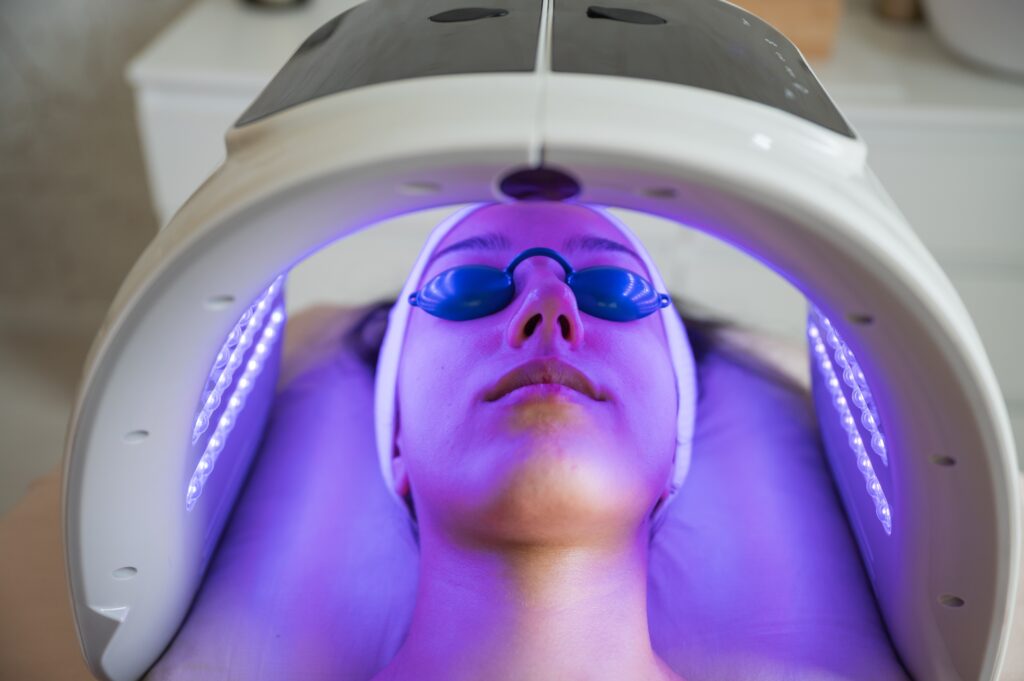
Transcranial photobiomodulation (tPBM) is a technique that delivers red or near-infrared light to the scalp to influence underlying brain tissue. Common wavelengths range from 600 to 700 nm for red light and 800 to 1100 nm for near-infrared light. While only a fraction of this light penetrates the skull, research suggests it may still reach the outer layers of the cortex.
At a cellular level, tPBM is believed to interact with mitochondria. Light may be absorbed by enzymes such as cytochrome c oxidase, supporting cellular energy production and influencing processes related to inflammation and repair. The role of coherent light in cellular communication is an important factor in understanding how tPBM affects neural tissue. This mechanism is central to ongoing research on the cognitive effects of laser therapy.
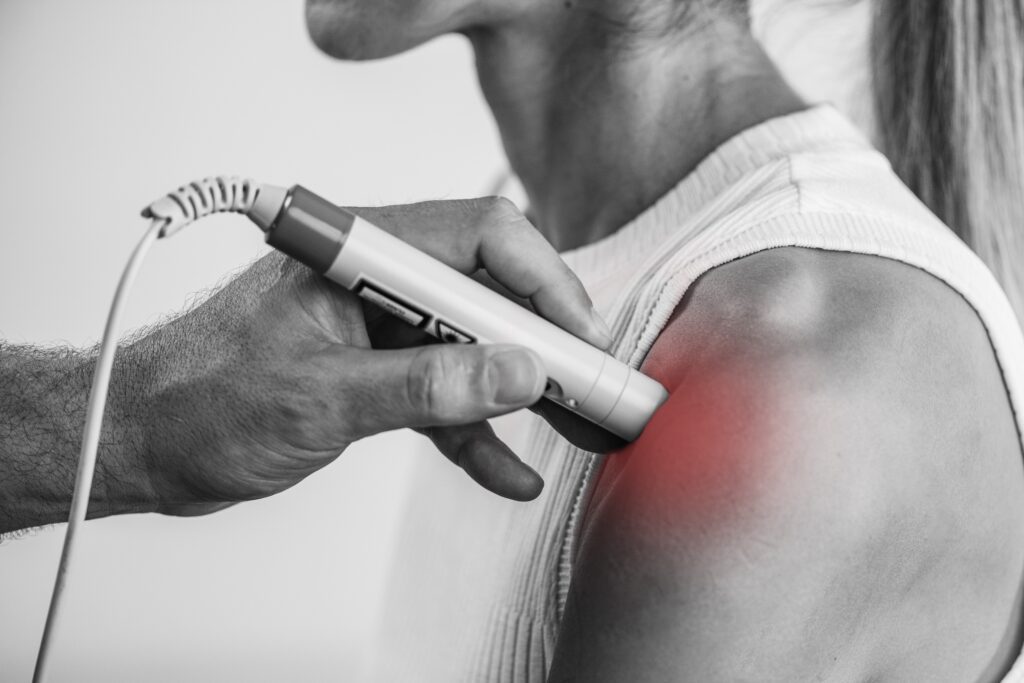
Devices used for tPBM vary widely. Some are handheld and applied to targeted areas of the head. Devices such as the Erchonia GVL offer a compact form factor for targeted delivery while others are helmet-based systems designed for broader coverage. It is worth noting that true lasers differ from LEDs in ways that can affect clinical outcomes, making device selection an important consideration.
The procedure is non-invasive, requires no anesthesia, and is generally painless, with sessions typically lasting only a few minutes. This simplicity has contributed to increasing research interest and early exploratory use of transcranial photobiomodulation.
How Transcranial Photobiomodulation Light Interacts with Brain Cells
The proposed mechanisms behind laser therapy for cognitive function are based on cellular energy and inflammation. Understanding the photochemistry behind laser therapy helps clarify these interactions.
Inside brain cells are mitochondria, often described as the cell’s “power plants.” These structures produce energy in the form of ATP (adenosine triphosphate).Certain light-sensitive molecules, especially cytochrome c oxidase, can absorb red and near-infrared light.
When this happens, several effects may occur:
- Increased ATP production: Cells may generate more energy, supporting repair and normal function.
- Improved blood flow: Light exposure may promote vasodilation, enhancing oxygen delivery to brain tissue.
- Reduced oxidative stress: Some studies suggest a decrease in harmful reactive oxygen species.
- Modulation of inflammation: tPBM may influence neuroinflammatory pathways linked to cognitive decline and mood disorders.
The relationship between power and energy in laser therapy is also relevant when evaluating how different devices deliver therapeutic doses to neural tissue.
These mechanisms are still being studied, but they form the biological basis for claims about the effects of laser therapy on cognitive function.
Research Results and Potential Effects of Transcranial Photobiomodulation
Recent studies, including a 2024 review, suggest that transcranial photobiomodulation (tPBM) may have potential benefits across several neurological and psychiatric conditions, including dementia, stroke, Parkinson’s disease, depression, and cognitive performance in healthy individuals. Overall, the evidence is still emerging, largely based on small-scale and early-stage clinical research.
Cognitive Function
In cognitive research, small trials report improvements in attention, working memory, and processing speed after repeated sessions. Effects in healthy adults are generally subtle, while individuals with mild cognitive impairment or early dementia show early indications of improved recall and daily functioning.
Mood Regulation
tPBM has been explored as an adjunct approach for anxiety and depression, with some studies reporting symptom reduction after several weeks of treatment. Proposed mechanisms include modulation of mitochondrial activity, brain energy metabolism, and inflammatory pathways involved in emotional regulation.
Neurological Recovery
In stroke and traumatic brain injury research, tPBM is being investigated as a supportive rehabilitation tool rather than a standalone treatment. Early findings suggest potential benefits for motor recovery and neuroplasticity when combined with standard therapy, particularly during early recovery phases. LLLT has shown broader promise in optimizing recovery across clinical settings.
Neurodegenerative Conditions
Research into Alzheimer’s and Parkinson’s disease suggests possible reductions in neuroinflammation and modest effects on cognition and motor symptoms.
Overall, tPBM shows early promise across cognitive, mood, and neurological applications, with effects varying across conditions and study designs. While findings are encouraging, current evidence remains insufficient to establish clinical effectiveness.
What to Expect During a Transcranial Photobiomodulation Session
A transcranial photobiomodulation session is non-invasive and typically involves placing a light device on the scalp or wearing a helmet that delivers red or near-infrared light for about 10 to 20 minutes. No anesthesia or recovery time is required, and most people return to normal activities immediately.
The experience is generally comfortable, with little to no sensation, although some devices may produce mild warmth.
Treatment is usually carried out several times per week over several weeks. A typical protocol may include:
- Week 1 to 2: 3 to 5 sessions per week
- Week 3 to 6: Continued sessions with monitoring
- Week 6 and beyond: Maintenance or reassessment, depending on response
Exact schedules vary based on the condition, device, and clinical protocol used
Transcranial Photobiomodulation Safety and Limitations
Transcranial photobiomodulation is generally considered safe when used within studied parameters. Most research reports few side effects when devices are used correctly. Reviewing laser safety guidelines can help practitioners and patients understand appropriate use.
Common observations include:
- No significant pain during treatment
- Low risk of tissue damage at therapeutic doses
- Occasional mild headache or fatigue in some individuals
As a non-invasive, non-drug approach, it avoids many risks linked to pharmacological treatments. However, safety depends on proper use. Incorrect wavelengths, excessive intensity, or prolonged exposure may cause unwanted effects. Understanding whether red light therapy is safe provides additional context on the safety profile of photobiomodulation broadly.
Key limitations include:
- Variation in device quality and output
- Lack of standardized protocols
- Limited long-term safety data
- Differences in individual response
While early results are promising, transcranial photobiomodulation remains an emerging therapy and is not a proven treatment for neurological disorders. Clinical guidance is recommended, especially for individuals with existing neurological or psychiatric conditions.
Transcranial Photobiomodulation: Future Directions in Research and Clinical Use
Interest in transcranial photobiomodulation is growing, supported by advances in device design and a steady increase in published research.
Recent studies are focusing on refining treatment parameters, including wavelength, intensity, and duration. There is also increasing interest in combining tPBM with other therapies, such as cognitive training or rehabilitation programs.
The development of wearable devices is another area of progress. These systems aim to make treatment more accessible while maintaining consistency in delivery. Devices like the Erchonia VGL and the Erchonia XLR8 represent the broader trend toward versatile, clinically oriented laser platforms. For practitioners evaluating how to integrate these tools, understanding the benefits of implementing laser therapy in clinical practice and how LLLT compares in cost to other treatments can help inform decisions.
As research continues, clearer guidelines are expected to emerge. Looking ahead, the next 20 years of lasers in medicine are expected to further expand the role of photobiomodulation in neurological and brain health care. This will help define where tPBM fits within standard care.
Conclusion
Transcranial photobiomodulation is an emerging area of research exploring how low-level red and near-infrared light may influence brain function via cellular energy and inflammatory pathways. Early studies suggest potential benefits for cognition, mood, and neurological recovery, but the evidence remains limited and inconclusive.
At this stage, tPBM should be viewed as a developing therapy rather than an established treatment. While initial findings are encouraging and the procedure appears generally safe under studied conditions, results vary, and standardized clinical protocols are still evolving.
Further large-scale, controlled trials are needed to determine its true effectiveness and define its role in neurological and brain health care.
Frequently Asked Questions
Q1. What is transcranial photobiomodulation?
Transcranial photobiomodulation (tPBM) is a non-invasive technique that delivers red or near-infrared light to the scalp to influence underlying brain tissue. It is thought to interact with mitochondria to support cellular energy production and modulate inflammatory pathways.
Q2. How does tPBM affect brain cells?
tPBM light is absorbed by enzymes such as cytochrome c oxidase within the mitochondria. This may increase adenosine triphosphate (ATP) production, improve blood flow, reduce oxidative stress, and modulate neuroinflammatory pathways involved in cognitive decline and mood disorders.
Q3. Can transcranial photobiomodulation improve memory?
Small clinical trials have reported improvements in attention, working memory, and processing speed after repeated tPBM sessions. Effects in healthy adults are generally subtle, while individuals with mild cognitive impairment show early indications of improved recall. Research is still developing.
Q4. Is transcranial photobiomodulation safe?
tPBM is generally considered safe when used within studied parameters. It does not produce heat or damage tissue. Following established laser safety guidelines and using clinically validated devices helps ensure appropriate application.
Q5. What devices are used for transcranial photobiomodulation?
Devices vary from helmet-based systems for broader coverage to handheld units applied to targeted areas of the head. Handheld devices such as the Erchonia GVL deliver specific wavelengths suited to these applications. Understanding how to choose the right LLLT device is important when evaluating options.
Q6. Does tPBM help with depression or anxiety?
tPBM has been explored as an adjunct approach for anxiety and depression, with some studies reporting symptom reduction after several weeks of treatment. Proposed mechanisms include modulation of mitochondrial activity and brain energy metabolism. It is not a replacement for established mental health treatments.
Q7. How long does a tPBM session last?
A typical session lasts 10 to 20 minutes. The procedure requires no anesthesia or recovery time, and most people return to normal activities immediately. Treatment is usually carried out several times per week over several weeks.
Q8. What is the difference between tPBM and high-power lasers?
High-power lasers produce heat and are used for surgical or ablative procedures. tPBM uses low-level light that works through photochemical effects at the cellular level without thermal injury. Understanding the difference between hot and cold laser therapy clarifies how these approaches differ.
Q9. Can tPBM be combined with other therapies?
Yes. Research is exploring combining tPBM with cognitive training, rehabilitation programs, and other non-pharmacological approaches. Its non-invasive nature makes it compatible with existing care plans. The benefits of implementing laser therapy in clinical practice extend across multiple therapeutic contexts.
Q10. What does the future of transcranial photobiomodulation look like?
Research is focusing on refining treatment parameters and developing wearable devices for more accessible delivery. Looking ahead, the next 20 years of lasers in medicine are expected to further expand the role of photobiomodulation in neurological care. Standardized protocols and larger controlled trials will help define where tPBM fits within standard clinical practice.