Low-Level Laser Therapy (LLLT), also known as photobiomodulation, is used in aesthetic and clinical settings as a non-invasive method to support skin health. In discussions about laser therapy for skin rejuvenation, it is important to remain grounded in biological mechanisms and clinical evidence rather than in overstated claims.
LLLT does not replace established dermatologic treatments. It is best understood as an adjunct that supports the skin’s natural repair processes over time. This includes its potential to reduce the appearance of fine lines and improve overall skin texture when applied consistently under professional guidance.
This positions LLLT as a conservative option that influences biological processes involved in skin aging, rather than relying on tissue injury or destruction.
How Photobiomodulation Interacts with the Skin
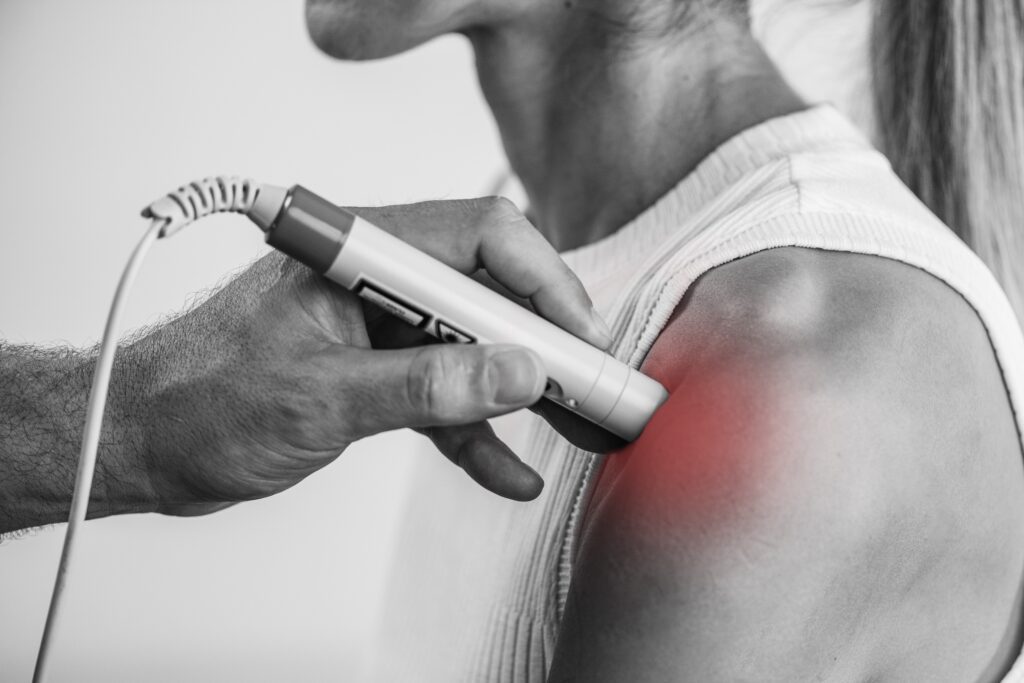
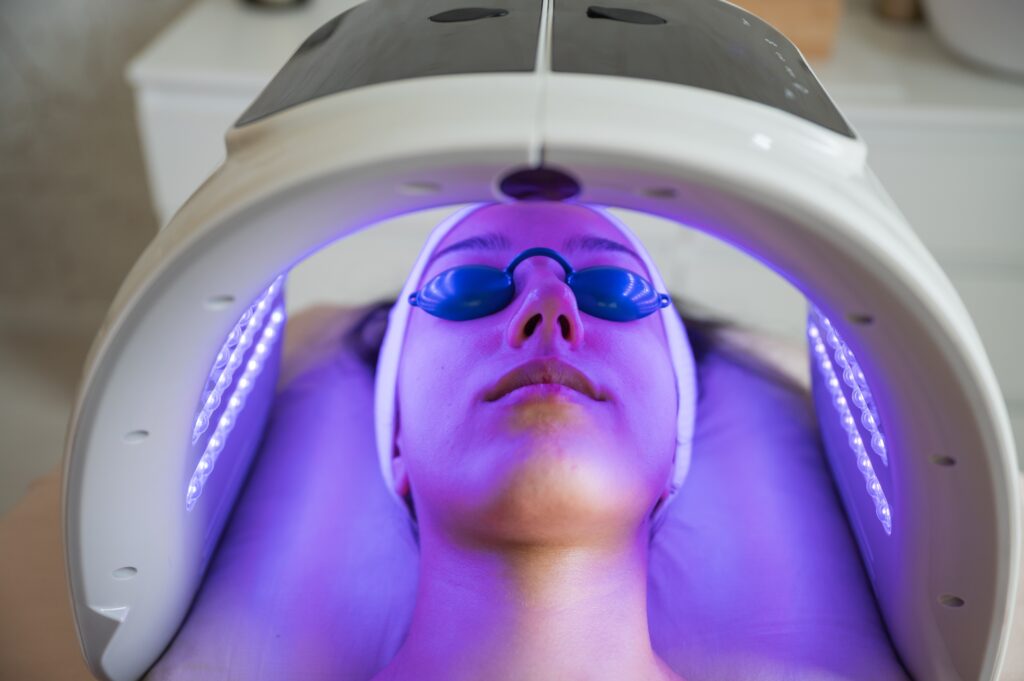
Photobiomodulation involves the use of specific wavelengths of red or near-infrared light that interact with cells in the skin. Unlike high-power lasers used in surgical or ablative procedures, LLLT does not rely on heat or controlled tissue damage. Its effects are photochemical.
The primary interaction occurs within the mitochondria, which produce cellular energy. When light is absorbed by chromophores such as cytochrome c oxidase, it can influence cellular respiration and energy production.
This interaction may lead to increased production of adenosine triphosphate (ATP), improved cellular efficiency, modulation of oxidative processes, and activation of signaling pathways related to repair.
These effects help explain how photobiomodulation clinically addresses wrinkles. The treatment does not directly target wrinkles. Instead, it influences biological systems that maintain skin structure and function.
Collagen, Fibroblasts, and Skin Structure
Collagen is a key structural protein that provides firmness and elasticity to the skin. As the skin ages, collagen production declines and existing fibers degrade. This contributes to visible changes such as fine lines, reduced elasticity, and uneven texture.
One proposed mechanism behind red light anti-aging is the stimulation of fibroblasts. These cells are responsible for producing collagen and other components of the dermal matrix.
LLLT can influence fibroblast activity, potentially encouraging gradual collagen production, improved organization of dermal tissue, and better structural support within the skin.
These changes do not occur immediately. They develop over time with repeated exposure and depend on individual response, treatment parameters, and consistency.
Clinical Evidence and Observed Outcomes of LLLT for Skin Rejuvenation
Research on photobiomodulation and skin rejuvenation continues to develop. While the evidence base is still evolving, several studies report measurable improvements in skin condition following LLLT.
In a controlled clinical study, over 90 percent of participants showed improvements in photoaged skin following a series of low-level light treatments. These improvements included better texture, reduced fine lines, and more even pigmentation.
Additional findings across studies suggest that LLLT may support increases in collagen density, improve overall skin tone, and contribute to reductions in visible signs of photoaging.
It is important to interpret these findings with caution. Outcomes vary depending on treatment parameters, skin type, and study design. LLLT shows potential, but it is not a universal solution for all skin concerns, and it should not be presented as such.
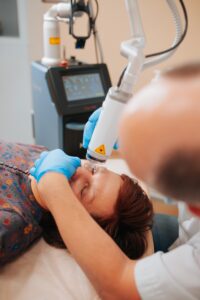
Comparing LLLT with Invasive Aesthetic Treatments
Many aesthetic procedures rely on controlled injury to stimulate the skin’s repair response. Examples include chemical peels, microneedling, and ablative laser resurfacing. These approaches can produce visible results, but they involve recovery time and a higher level of tissue disruption.
LLLT takes a different approach. It does not damage the skin. Instead, it influences biological processes at the cellular level.
Key differences include the absence of thermal injury, no required downtime, a lower risk profile when used appropriately, and gradual rather than immediate results.
Because of these characteristics, LLLT is often positioned as a conservative option. It may also be used to support recovery following more invasive procedures or as part of a maintenance plan to sustain results.
Practical Effects of LLLT on Skin Health
Beyond fine lines and wrinkles, LLLT may contribute to broader aspects of skin health.
- Skin tone and pigmentation
Photoaged skin often presents with uneven tone and areas of pigmentation. LLLT may support improved microcirculation, which helps deliver nutrients and remove waste products. Over time, this can contribute to a more even appearance.
- Inflammation and sensitivity
Chronic low-grade inflammation contributes to skin aging. LLLT has been associated with the modulation of inflammatory pathways. This may help reduce redness and support a more stable skin environment.
- Skin barrier function
Healthy skin relies on an intact barrier that maintains hydration and protects against environmental stressors. By supporting cellular turnover, LLLT may contribute to maintaining barrier integrity.
These effects are generally subtle and cumulative. They are not immediate, but they contribute to overall skin health when treatment is applied consistently.
Role in Modern Anti-Aging Care
Effective anti-aging strategies are typically multimodal. No single intervention addresses all aspects of skin aging. LLLT fits within this framework as a supportive tool.
It may be used alongside topical skincare routines, sun protection strategies, nutritional and lifestyle measures, and other clinician-directed aesthetic treatments.
Within this context, LLLT supports the skin’s natural capacity to respond to these interventions. It is not intended to replace them. Its value lies in its ability to complement existing approaches without introducing additional stress to the skin.
LLLT Treatment Protocols and Expectations
LLLT for skin rejuvenation is typically delivered over multiple sessions. Treatment frequency and duration depend on the clinical setting and the goals of care. Understanding how red light therapy works at the cellular level can help practitioners tailor protocols to patient needs.
A common approach involves repeated sessions over several weeks to allow gradual biological changes. Practitioners using devices such as the Erchonia EVRL or the Erchonia EVL can deliver specific red-light wavelengths suited to these protocols. The role of wavelength in cellular communication and healing is an important factor in protocol design.
Patients may observe subtle improvements in skin texture, gradual softening of fine lines, and more even skin tone. In some cases, patients also report broader benefits to skin health, including improvements related to cellulite appearance and scar healing.
These changes are not immediate. LLLT works through cumulative biological effects, which means consistency is important.
Expectations should remain realistic. The goal is support, not transformation. LLLT contributes to skin health over time rather than producing rapid visible changes. Understanding what separates legitimate red light therapy from overstated claims can help patients set appropriate expectations from the start.
LLLT Safety and Clinical Considerations
LLLT is generally well-tolerated when used correctly. Because it does not rely on heat or tissue damage, it has a lower risk profile compared to more invasive procedures. Reviewing laser safety guidelines can help practitioners and patients understand appropriate use. For those evaluating the overall safety profile, additional context on whether red light therapy is safe is available.
However, its use still requires clinical supervision. Treatment parameters must be applied correctly to achieve the desired biological response.
Individual skin response may vary. Not all skin concerns will respond equally, and treatment outcomes depend on consistency and appropriate application. It is worth understanding that not all light-based devices produce the same results, true lasers differ from LEDs in ways that affect clinical outcomes. For those evaluating different options, learning how to choose the right LLLT device is an important consideration.
LLLT should not replace medical evaluation. A qualified healthcare professional should always assess skin conditions that require diagnosis or targeted treatment.
Integration of LLLT for Skin Rejuvenation into Clinical Practice
LLLT can be incorporated into clinical workflows in a way that supports existing services. It may be used as a standalone adjunct for mild concerns or as part of a broader treatment plan. Devices such as the Erchonia PL Series and Erchonia XLR8 offer versatile platforms that can be integrated into aesthetic and wellness practices. Clinicians seeking a compact handheld option may also consider the Erchonia GVL or the Erchonia VLS for targeted applications.
In some cases, it is applied before or after other procedures to support recovery. It can also be included in maintenance protocols to help sustain results over time. This approach is especially relevant when pairing laser therapy with care for aging patients.
Its role depends on clinical judgment and patient needs. The aim is to enhance care rather than replace established approaches. For clinicians looking to expand their service offerings, understanding the broader benefits of implementing laser therapy in clinical practice provides additional context. Practitioners may also find value in reviewing how LLLT compares in cost to other treatments when building a case for integration.
This aligns with a multimodal model of care in which multiple interventions work together to address different aspects of skin aging.
Conclusion
Low-level laser therapy offers a conservative, evidence-informed approach to skin rejuvenation through photobiomodulation. It works by influencing cellular energy production and supporting biological processes such as collagen synthesis and tissue repair.
For laser therapy skin rejuvenation, LLLT should be viewed as a supportive tool rather than a primary treatment. Its strength lies in its ability to complement established care within a structured, professional framework. Patients interested in broader aesthetic applications may also explore how LLLT can support aesthetic goals alongside body sculpting and women’s health.
Clinical evidence, including studies showing measurable improvements in photoaged skin, supports its potential role. At the same time, outcomes vary, and further research is ongoing. Looking ahead, the next 20 years of lasers in medicine point toward continued growth in non-invasive, photobiomodulation-based interventions.
LLLT represents a shift toward non-invasive, biologically grounded interventions that prioritize safety, consistency, and long-term skin health. When used appropriately, it can support gradual improvements while maintaining a conservative clinical profile.
Frequently Asked Questions
Q1. What is low-level laser therapy for skin rejuvenation? Low-level laser therapy (LLLT) for skin rejuvenation is a non-invasive treatment that uses specific wavelengths of red or near-infrared light to support the skin’s natural repair processes. It influences cellular energy production and may encourage gradual improvements in skin texture, fine lines, and overall tone.
Q2. How does photobiomodulation improve skin appearance? Photobiomodulation works by delivering light energy to the mitochondria within skin cells. This interaction may increase adenosine triphosphate (ATP) production and activate repair pathways, supporting fibroblast activity and collagen synthesis over time.
Q3. Does LLLT replace invasive aesthetic procedures? No. LLLT does not replace procedures such as chemical peels, microneedling, or ablative laser resurfacing. It is best used as a conservative adjunct that supports the skin’s biological processes without relying on controlled tissue injury. It can, however, be used to enhance existing aesthetic treatments as part of a broader care plan.
Q4. Is low-level laser therapy safe for skin treatments? LLLT is generally well-tolerated when applied correctly under professional supervision. Because it does not rely on heat or tissue damage, it carries a lower risk profile compared to more invasive aesthetic procedures. Reviewing laser safety guidelines can help practitioners ensure appropriate application.
Q5. How long does it take to see results from LLLT skin rejuvenation? Results develop gradually over multiple sessions. Patients may observe subtle improvements in skin texture, softening of fine lines, and more even skin tone over the course of several weeks of consistent treatment.
Q6. Can LLLT help with uneven skin tone and pigmentation? LLLT may support improved microcirculation, which helps deliver nutrients and remove waste products from the skin. Over time, this can contribute to a more even appearance, though outcomes vary by individual. The same mechanisms that support skin tone also play a role in wound healing and tissue repair.
Q7. What is the difference between LLLT and high-power lasers used in dermatology? High-power lasers rely on heat and controlled tissue damage to stimulate repair. LLLT operates through photochemical effects at the cellular level without thermal injury, making it a conservative alternative with no required downtime. Understanding the difference between hot and cold laser therapy provides additional context on how these approaches differ.
Q8. Can low-level laser therapy be combined with other skincare treatments? Yes. LLLT is often used alongside topical skincare routines, sun protection strategies, and other clinician-directed aesthetic treatments. It may also be applied before or after more invasive procedures to support recovery and aesthetic goals.
Q9. What role does collagen play in LLLT skin rejuvenation? Collagen provides structural firmness and elasticity to the skin. LLLT may stimulate fibroblasts, the cells responsible for collagen production, potentially encouraging gradual improvements in dermal tissue organization and skin support. Learn more about how red light therapy works at the cellular level.
Q10. Who should supervise LLLT treatments for skin rejuvenation? A qualified healthcare professional should oversee LLLT for skin rejuvenation. Treatment parameters must be applied correctly to achieve the desired biological response, and individual skin conditions should always be properly assessed. Practitioners evaluating equipment options can explore devices like the Erchonia EVRL and the Erchonia EVL for clinical use. It is also important to understand that true lasers differ from LEDs in ways that affect treatment outcomes.