Every January, millions decide it’s time to take better care of their health. Many people have resolutions to move more, manage pain, lose weight, or simply feel better in their bodies. At first, motivation tends to be high and intentions feel clear. But as weeks pass, those goals can feel harder to sustain.
This does not mean people lack discipline or commitment. In many cases, physical discomfort, stiffness, inflammation, or slower recovery can interfere with consistency. Even simple routines can feel frustrating when the body does not respond as expected. Recognizing these challenges is the first step toward building health goals that last beyond the first few weeks of January.
Physical Barriers That Hinder Health Goals
Health goals depend on repeated action over time. Pain and limited mobility often interrupt that process. Inflammation can prolong recovery after activity, while stiffness may make movement feel uncomfortable or unsafe. As a result, people may reduce how often they move or stop altogether, even when they know activity would be beneficial.
Chronic pain affects more than 20 percent of adults in the United States. It remains one of the leading causes of activity limitation, according to the Centers for Disease Control and Prevention. When pain limits movement, a cycle can develop. Reduced activity leads to further stiffness or deconditioning, which, in turn, increases discomfort. Breaking this cycle requires support that addresses physical barriers directly, not just motivation.
Understanding Low-Level Laser Therapy (LLLT)
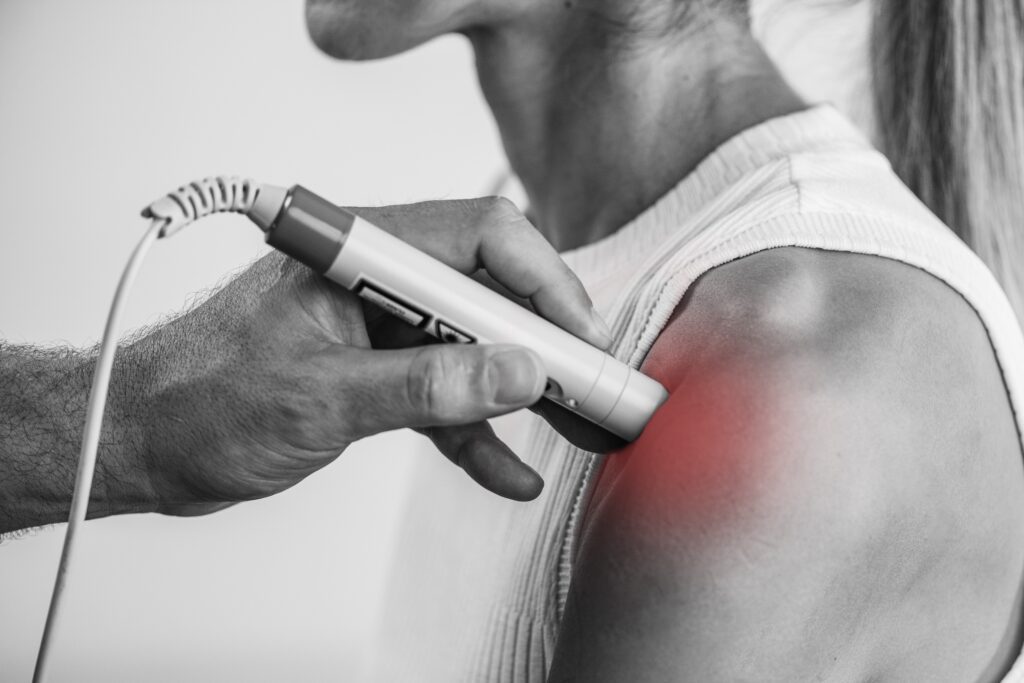
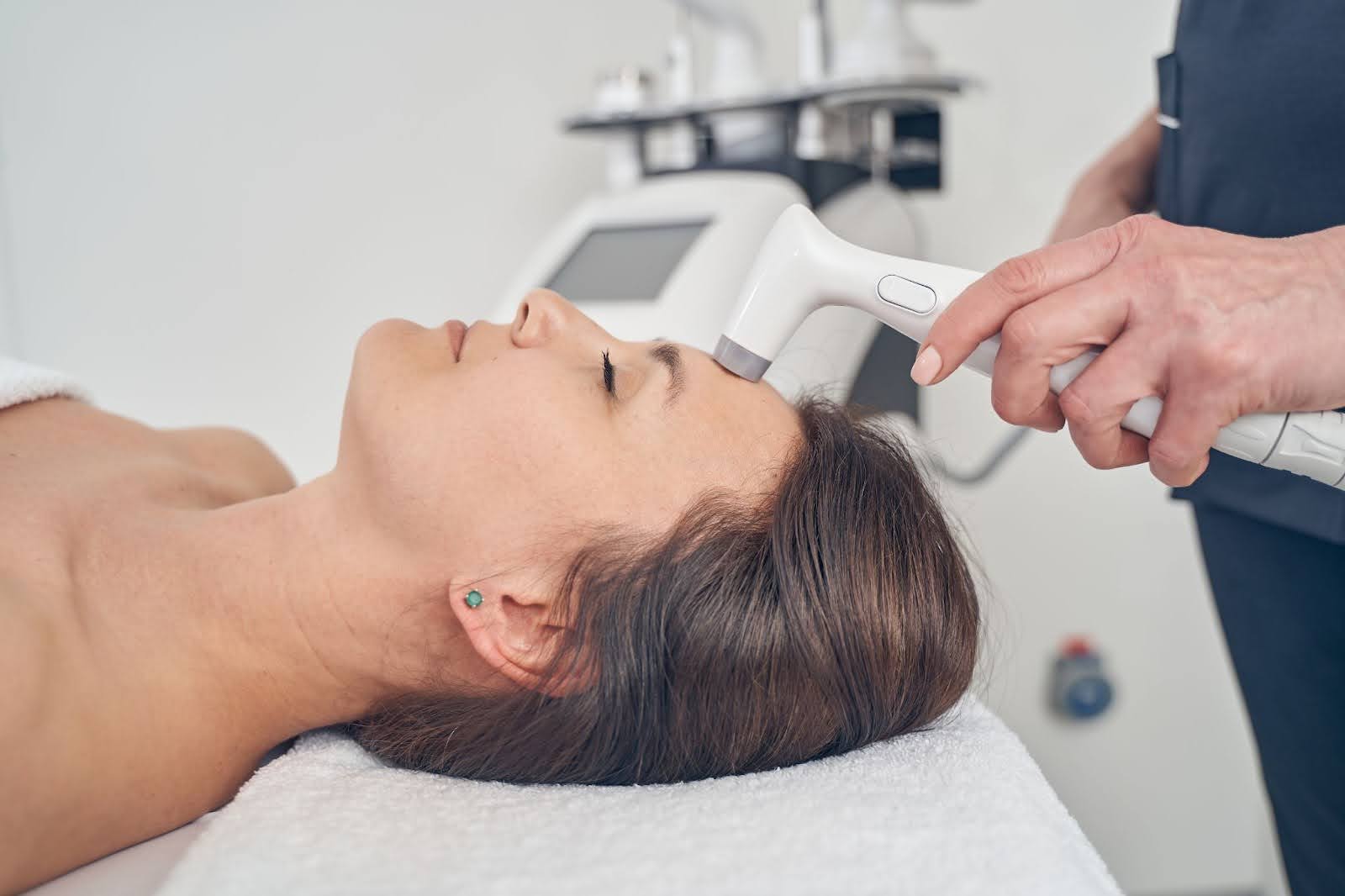
Low-Level Laser Therapy, or LLLT, is a non-invasive treatment that uses specific wavelengths of light to target areas externally. Unlike surgical lasers, it does not cut, heat, or damage tissue. Instead, it works at a cellular level to support tissue function and recovery.
When applied, the light interacts with mitochondria (the cells’ energy centers), stimulating cellular activity that may support tissue recovery, help manage inflammation, and influence local circulation. Clinicians often integrate LLLT into comprehensive care plans alongside physical therapy, chiropractic care, rehabilitation, or other conservative interventions. Its purpose is adjunctive, supporting the body’s natural response to movement and recovery, rather than replacing health practices like exercise and nutrition.
Using LLLT to Reduce Pain and Stay Active
Pain affects more than comfort alone. It changes how people move, how often they move, and how confident they feel returning to activity. When pain persists, individuals often avoid movement to prevent discomfort, even when activity could support recovery and overall health.
LLLT can help manage inflammation, ease tissue irritation, and support recovery from musculoskeletal strain. By managing pain more effectively, individuals can tolerate exercise, physical therapy, or daily activity more consistently. Consistency is key for turning New Year’s intentions into lasting habits.
Clinical research has examined the use of LLLT to manage musculoskeletal pain as part of multimodal care. While responses vary among individuals, these findings suggest the therapy’s potential to help patients remain engaged in movement and rehabilitation rather than withdrawing due to discomfort.
Using LLLT to Improve Mobility and Functional Movement
Mobility is central to nearly every health goal, from walking and stretching to strength training and daily tasks. Restrictions in joint motion or soft tissue flexibility can quickly derail long-term progress.
By supporting tissue recovery and joint comfort, LLLT can make movement feel easier and more manageable. This is particularly helpful for people returning to activity after a period of inactivity or for those managing chronic stiffness. Improved mobility can increase confidence, allowing individuals to move without fear. Over time, this supports functional strength, balance, and independence, promoting a sustainable, active lifestyle, particularly for older adults.
Using LLLT to Support Weight-Related Health Goals
Weight-loss goals are common at the start of the year and often involve increased exercise and physical activity. However, pain and limited mobility can make these challenging.
While LLLT is not a weight-loss tool and does not replace diet or exercise, it can support individuals whose pain limits their ability to remain active. Reducing soreness and improving recovery allows people to maintain an exercise routine more consistently. Regular activity, combined with healthy nutrition, supports metabolic health and long-term lifestyle changes. In this way, LLLT contributes indirectly by creating the physical conditions necessary for sustainable progress.
Integrating LLLT Into a Comprehensive Health Plan
No single intervention determines outcomes. Sustainable health progress depends on a coordinated approach that addresses movement, recovery, nutrition, and overall well-being. Healthcare professionals achieve the best results when they integrate supportive therapies thoughtfully rather than relying on any one modality.
Healthcare professionals tailor sessions based on patient history, functional goals, and clinical evidence. By combining LLLT with rehabilitation, physical activity, and lifestyle adjustments, patients may experience improved comfort and greater adherence to their routines. This approach aligns with guidance from the National Center for Complementary and Integrative Health, which emphasizes combining therapies responsibly to support positive outcomes.
Setting Realistic Expectations
Health progress doesn’t happen overnight. Most improvements occur gradually and depend on consistent effort over time. Low-Level Laser Therapy does not eliminate the need for exercise, proper nutrition, or professional care, and it does not guarantee results.
Individual responses vary depending on factors such as overall health, condition severity, and adherence to care plans. Establishing realistic expectations helps build trust between patients and clinicians. It also reinforces the importance of sustained effort: progress is gradual, and setbacks are a natural part of any wellness journey. LLLT supports recovery, comfort, and movement, helping people stay engaged over time rather than discouraging them when results take longer to appear.
Making Health Goals Sustainable Throughout the Year
The most successful resolutions are not always the most ambitious. They are the ones people can return to, even after setbacks. Pain, stiffness, and limited mobility often stand between intention and action, but they do not have to stop progress.
Evidence-based technologies like Low-Level Laser Therapy can help the body participate in healthy behaviors more consistently. When clinicians integrate supportive therapies with lifestyle adjustments and realistic goal-setting, individuals often find it easier to maintain momentum throughout the year.
For anyone setting health goals this year, the conversation should extend beyond motivation to include physical readiness. Speaking with a licensed healthcare professional about research-backed options, including LLLT, can help ensure that health goals remain safe, responsible, and appropriate over time.
Frequently Asked Questions
Q1. What is low-level laser therapy used for in pain management?
Low-level laser therapy (LLLT) is used as a non-invasive option to support pain management, tissue recovery, and inflammation control as part of conservative care plans.
Q2. Can low-level laser therapy help people stay active?
LLLT may help manage discomfort and inflammation that limit movement, allowing individuals to stay more consistent with physical activity, rehabilitation, or daily routines.
Q3. Does low-level laser therapy replace exercise or physical therapy?
No. LLLT does not replace exercise, physical therapy, or healthy lifestyle habits. It is used as a supportive therapy to help individuals participate more comfortably in these activities.
Q4. Is low-level laser therapy effective for chronic pain?
Clinical research has examined LLLT as part of multimodal care for chronic pain. Individual responses vary, and therapy is typically used under professional guidance.
Q5. How long does it take to see results from low-level laser therapy?
Results vary depending on the individual, condition, and consistency of care. Improvements often occur gradually over time rather than immediately.