Significant weight loss is a major achievement. Whether achieved through lifestyle changes, medical guidance, or structured programs, losing excess weight improves health, mobility, and overall well-being. Yet reaching a target weight does not always mean feeling fully satisfied with your body. Stubborn fat pockets, uneven contours, and loose skin often remain, especially in the abdomen, thighs, arms, and waist.
These changes are a natural result of how the body stores fat and how skin adapts after weight reduction and are not a failure of effort. Many individuals seek non-invasive body contouring options that refine shape and improve skin appearance without surgery, pain, or downtime.
Low-Level Laser Therapy (LLLT) body sculpting offers a painless, non-surgical way to enhance body contours and improve skin tone after weight loss. As a conservative body contouring treatment, LLLT helps refine stubborn areas without surgery, pain, or recovery time. By supporting natural cellular processes, LLLT helps achieve smoother, more toned results safely and effectively.
Why Stubborn Fat and Skin Changes Persist After Weight Loss
Weight loss does not occur uniformly across the body. While overall fat mass decreases, certain areas remain resistant due to genetics, hormones, blood flow and metabolic processes. These stubborn fat zones often persist despite consistent diet and exercise.
At the same time, the skin may not fully retract after significant weight reduction. Skin elasticity depends on age, genetics, hydration, and the rate of weight loss. When fat volume decreases rapidly or significantly, the skin may appear loose or uneven.
As a result, many individuals experience:
- Localised fat deposits despite achieving a healthy weight
- Uneven or disproportionate body contours
- Reduced skin firmness or tone
- Areas that do not respond to exercise alone
These concerns are aesthetic rather than medical, but they strongly affect body confidence and satisfaction. Conservative body sculpting solutions aim to support the body’s natural processes without introducing surgical risk.
The Role of Non-Invasive Body Sculpting After Weight Loss
Surgical procedures such as liposuction or body lifts can deliver dramatic changes, but they involve incisions, anesthesia, recovery time, and potential complications. Not everyone wants or needs an invasive procedure, especially after already achieving weight loss through discipline and lifestyle changes.
Non-invasive body sculpting focuses on refinement, rather than weight loss. The goal is to improve contour, reduce localised fat deposits, and support skin quality while maintaining comfort and safety.
LLLT body sculpting fits this approach by offering a non-invasive aesthetic treatment that supports gradual, natural-looking results without interrupting daily life.
What Is Low-Level Laser Therapy (LLLT) Body Sculpting?
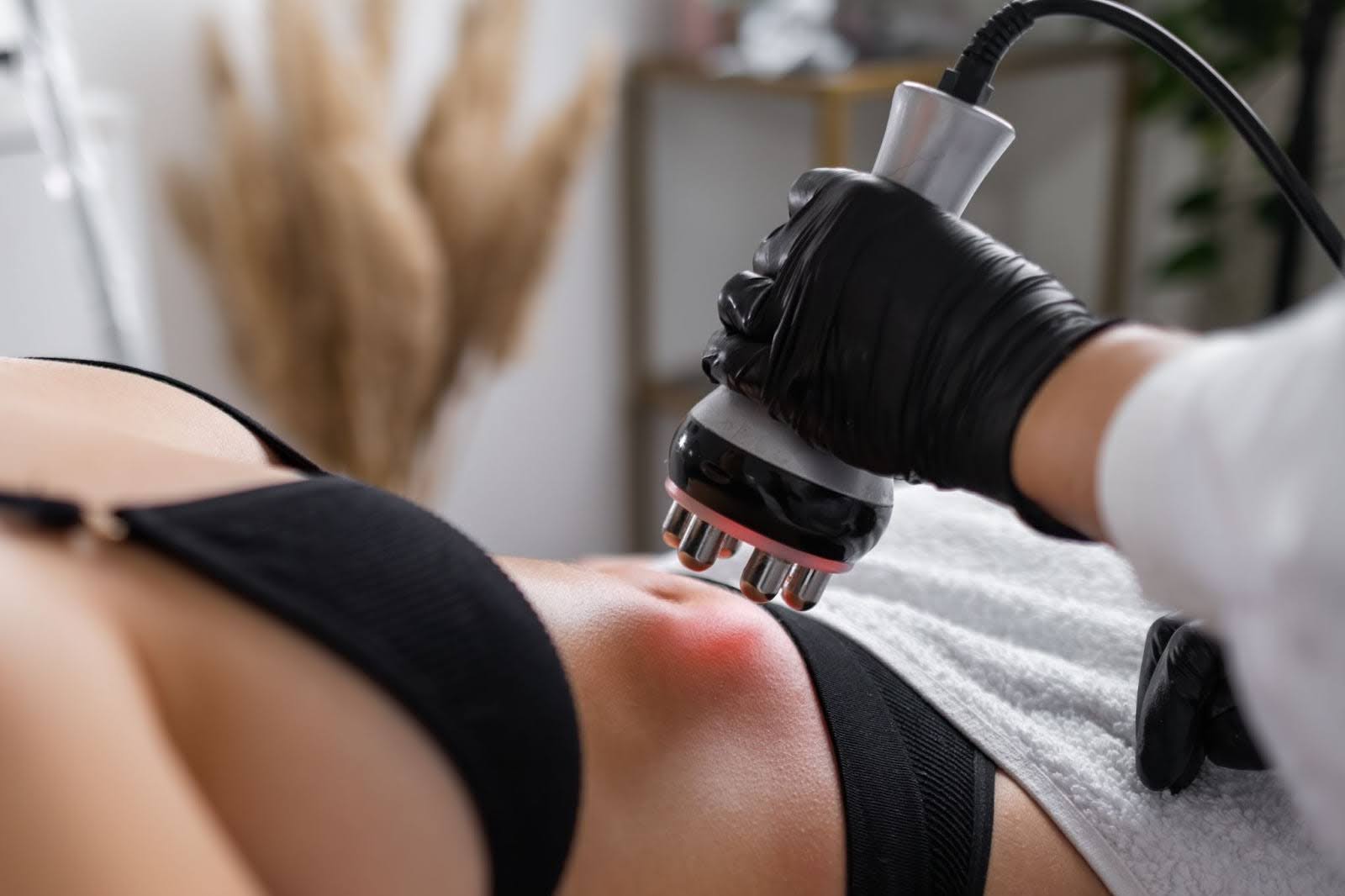
Low-Level Laser Therapy, also known as photobiomodulation, uses specific wavelengths of light applied externally to targeted areas of the body. Unlike surgical lasers, LLLT does not cut, burn, or damage tissue. It delivers low-intensity light that interacts with cells in a controlled, painless manner.
In body sculpting applications, low-level lasers are designed to support fat cell metabolism and tissue response. The light penetrates the skin and interacts with fat cells, encouraging the release of stored lipids while preserving surrounding structures.
As a form of laser therapy for fat reduction and contouring, LLLT is typically used alongside lifestyle habits, such as regular activity and balanced nutrition, to support lasting results. Treatments are comfortable, require no recovery time, and allow immediate return to daily activities.
What LLLT Body Sculpting Does Not Do
LLLT body sculpting is not a weight-loss treatment and does not replace healthy eating, physical activity, or medical care. It is designed for contour refinement after weight loss, not for large-volume fat removal or surgical skin tightening.
Results develop gradually and vary among individuals, depending on metabolism, skin quality, and treatment consistency. This clarity helps ensure realistic expectations and appropriate treatment planning.
How LLLT Targets Stubborn Fat Areas
After weight loss, residual fat often persists in specific regions due to reduced blood flow and cellular resistance to change. Low level lasers act at the cellular level to directly influence these fat cells.
When the laser light is absorbed, it may temporarily alter the fat cell membrane, allowing stored lipids to be released. These lipids are then processed naturally by the body through the lymphatic and metabolic systems. Importantly, this process does not destroy fat cells or damage tissue.
LLLT is commonly used to refine areas such as:
- Abdomen and waist
- Hips and flanks
- Thighs
- Upper arms
- Back and bra line area
Because the process is gradual and non-invasive, results develop over time and align with the body’s natural rhythm of change, creating subtle but noticeable contour improvements.
Refining Skin Tone and Contours Without Surgery
After weight loss, skin and body contours do not always improve at the same pace. Even when fat is reduced, areas may appear loose or uneven due to reduced elasticity. LLLT body sculpting supports post-weight-loss refinement by addressing tissue response alongside contouring, rather than focusing solely on fat reduction.
Supporting Skin Tone and Tissue Appearance
LLLT works at a cellular level to enhance tissue quality and circulation. Its low-level light may help:
- Improve microcirculation, delivering oxygen and nutrients to targeted areas
- Stimulate collagen and elastin production to support skin elasticity
- Smooth texture and tone, complementing gradual fat reduction
This mechanism promotes natural-looking skin improvement and helps contour changes appear more seamless, without the need for surgery.
Enhancing Aesthetic Results After Weight Loss
The practical outcome of LLLT treatment is visible refinement of body contours and improved skin appearance. It is especially effective for individuals who:
- Have reached a stable weight
- Wish to reduce stubborn fat pockets
- Prefer non-invasive aesthetic solutions
- Want to avoid surgery or downtime
Sessions are brief, comfortable, and integrate easily into daily routines, making consistent treatment achievable for long-term results.
Integrating LLLT into a Comprehensive Aesthetic Plan
LLLT body sculpting is most effective when combined with lifestyle habits that support fat metabolism and tissue response. Clinicians typically incorporate it into a broader aesthetic plan tailored to individual goals and body composition.
A comprehensive approach may include:
- Regular physical activity to support circulation and metabolic processing
- Adequate hydration to aid lymphatic drainage
- Balanced nutrition to maintain stable fat metabolism
- Consistent treatment sessions based on individual anatomy and desired outcomes
LLLT is most appropriate for individuals who are near their target weight and want to improve contour and skin tone in specific areas. It is not a weight-loss solution and does not replace healthy habits. A qualified healthcare or aesthetic professional can assess suitability, establish realistic expectations, and ensure safe treatment planning.
Supporting Long-Term Confidence After Weight Loss
Weight loss is not just about the number on the scale; it’s about feeling comfortable and confident in your body. Stubborn fat pockets and uneven skin tone can prevent you from fully enjoying the results of your hard work. Low-Level Laser Therapy (LLLT) body sculpting provides a non-invasive, pain-free solution that targets these areas while supporting tissue quality and contour refinement.
By addressing both fat reduction and skin appearance, LLLT helps individuals align their external appearance with the progress they’ve achieved internally. When combined with healthy lifestyle habits and professional guidance, it offers a conservative, safe, and sustainable approach to enhancing post-weight-loss aesthetics.
FAQs
Q1. What is LLLT body sculpting after weight loss?
LLLT body sculpting (low-level laser therapy) is a non-invasive approach that uses low-intensity laser light applied externally to targeted areas. After weight loss, it may be used to support body contour refinement by addressing stubborn areas that don’t respond as easily to diet and exercise alone.
Q2. Is LLLT body sculpting the same as a weight-loss treatment?
No. LLLT body sculpting is generally positioned as body contouring, not weight loss. It’s typically used to help refine shape in specific areas after someone is already near or at a stable weight. Healthy lifestyle habits remain the foundation for maintaining weight loss results.
Q3. What areas can LLLT body contouring target?
Common treatment areas often include the abdomen/waist, hips/flanks, thighs, upper arms, and back/bra line. The best areas to target depend on your goals, your anatomy, and the specific treatment protocol your provider recommends.
Q4. Can LLLT help with loose skin after weight loss?
LLLT may support the appearance of skin tone by promoting tissue response and supporting factors related to skin quality (like circulation and collagen/elastin activity). That said, it’s not the same as surgical skin removal, and results vary based on age, genetics, how much weight was lost, and skin elasticity.
Q5. How many sessions do you need, and is there downtime?
Treatment plans vary by individual and area treated. Many non-invasive contouring protocols involve multiple sessions over several weeks. LLLT is often described as comfortable and typically requires little to no downtime, but your provider should set expectations based on your plan and goals.