Dental procedures, from routine extractions to complex oral surgeries, often cause post-procedure discomfort, swelling, and temporary functional limitations. While these effects are usually temporary, they can affect eating, speaking, and overall comfort. Managing pain and supporting tissue healing are essential for both patients and dental professionals.
Conventional post-procedure care relies on medication, rest, and time. While these remain important, many dentists now seek additional evidence-based methods to support healing and reduce discomfort without increasing medication use.
Research shows that Low-Level Laser Therapy (LLLT) in dentistry is an effective, non-invasive adjunct to post-procedure care. By targeting inflammation, promoting cellular repair, and enhancing circulation, LLLT helps patients recover more comfortably and efficiently. Increasingly, dental practices are integrating this therapy to improve recovery outcomes and enhance patient satisfaction.
Why Pain and Inflammation Occur After Dental Procedures
During dental procedures, tissues, including gums, bone, and nerves, undergo trauma, which triggers the body’s inflammatory response. Inflammation is essential for healing, but can lead to:
- Swelling of gums or facial tissues
- Localized pain or tenderness
- Difficulty chewing or opening the mouth
- Increased sensitivity to temperature or pressure
- Delayed healing of surgical sites
Excessive or prolonged inflammation may interfere with oral function, hygiene, and overall recovery. Effective post-procedure care focuses not just on pain relief but on supporting the tissue’s natural healing processes.
Limitations of Conventional Pain Management
Standard care plans include medication (NSAIDs or analgesics), cold compresses, rest, and activity modification. While effective for symptom relief, these approaches have limitations:
- Medications may carry side effects such as gastrointestinal irritation, drowsiness, or dependency risks
- Cold compresses and rest provide only temporary relief
- Recovery may remain uncomfortable, particularly after complex procedures
These challenges have led dental professionals to explore supportive therapies that address inflammation and enhance tissue-level healing rather than just masking symptoms.
What Is Low-Level Laser Therapy (LLLT) in Dentistry?
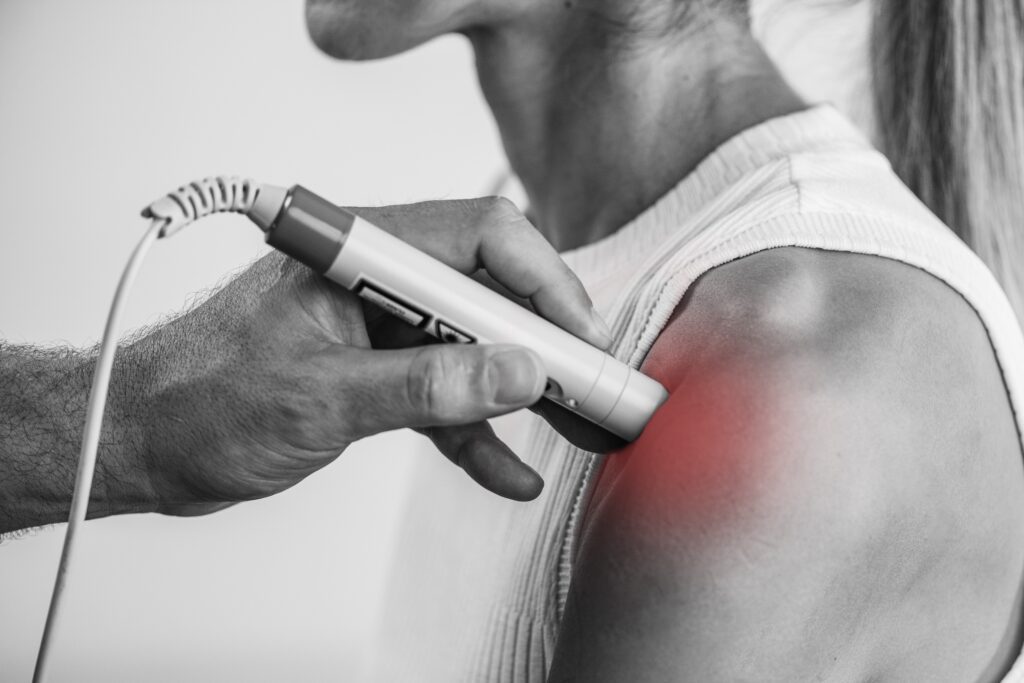
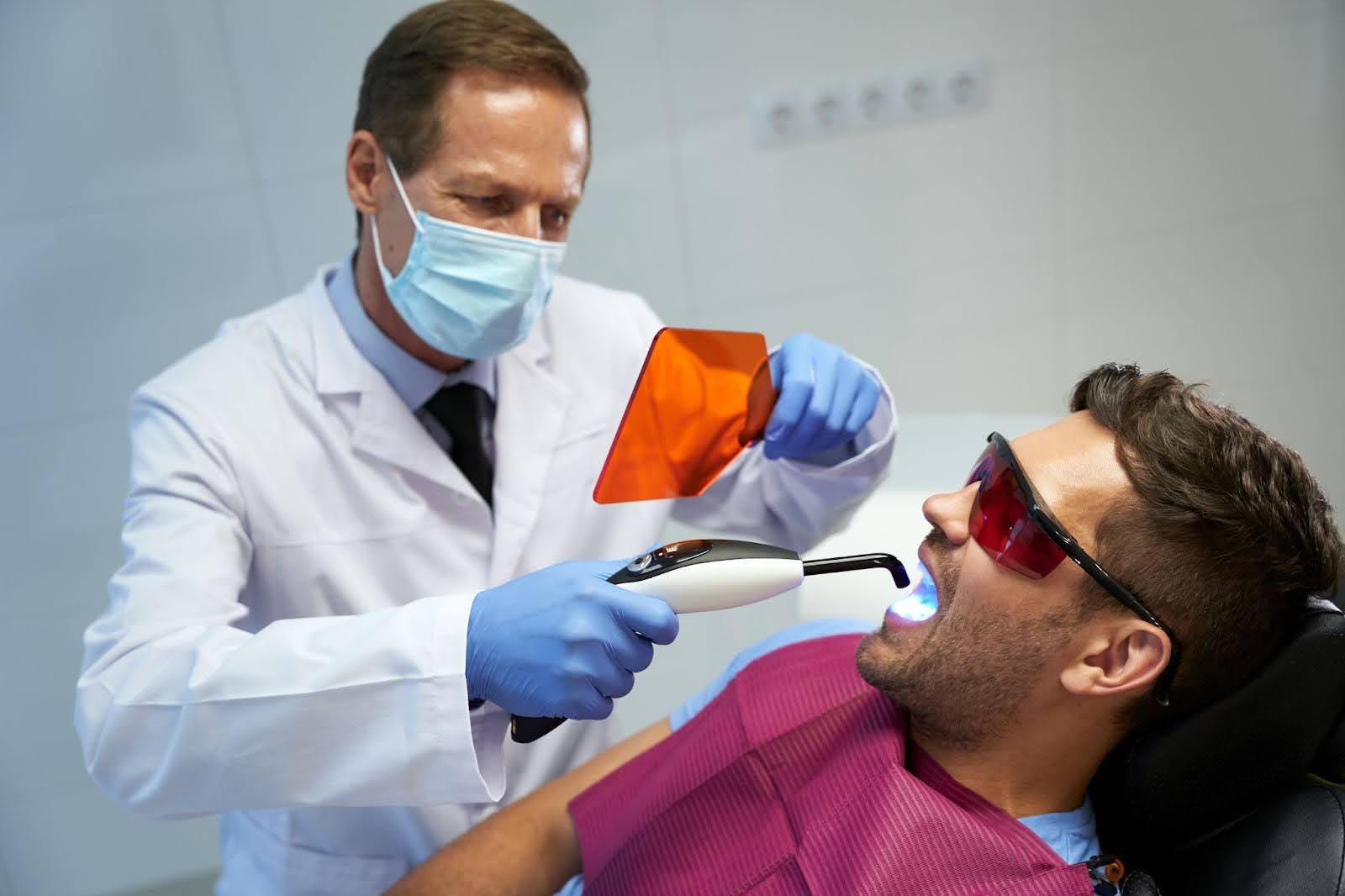
Low-Level Laser Therapy, or photobiomodulation, delivers low-intensity light at specific wavelengths to targeted tissues. Unlike surgical lasers, LLLT does not cut or damage tissue. Instead, it interacts with cells to stimulate natural healing and repair mechanisms.
- Reduce inflammation and swelling
- Support pain modulation at the nerve level
- Enhance tissue repair and regeneration
- Improve microcirculation and oxygen delivery
The therapy is non-surgical, painless, and typically takes only a few minutes per session, making it easy to integrate into standard post-procedure care. It can be applied immediately after procedures or during follow-up visits.
How LLLT Reduces Pain and Swelling
Post-operative pain is linked to inflammation and nerve sensitivity, which amplify pain signals when tissues are irritated, causing discomfort during normal oral function.
LLLT supports the body’s natural pain-modulating pathways by:
- Decreasing inflammatory mediators
- Calming irritated nerve endings
- Improving local blood flow
- Supporting cellular repair
- Promoting a healthier healing environment
Improved microcirculation allows oxygen and nutrients to reach tissues efficiently while removing metabolic waste, helping limit excessive swelling. Applied immediately after dental procedures, LLLT can significantly enhance comfort in the critical early recovery days.
Supporting Tissue Repair and Healing
Healing after dental procedures occurs in stages: inflammation, proliferation, and remodeling. LLLT supports these processes by stimulating mitochondrial activity, providing cells with more energy to repair damage. Benefits include:
- Faster soft tissue healing after extractions, implants, or periodontal treatment
- Improved collagen production and wound closure
- Reduced risk of prolonged inflammation
- Greater comfort during recovery
Because oral tissues are constantly exposed to movement, saliva, and bacteria, supporting efficient repair is particularly important for optimal recovery.
Common Dental Applications for LLLT
Dentists use LLLT after procedures where inflammation and discomfort are expected, including:
- Tooth extractions, including wisdom teeth
- Dental implant placement
- Periodontal therapy and gum surgery
- Root canal procedures with tissue irritation
- Oral surgery and bone grafting
- Soft tissue trauma or ulcer
In each case, LLLT complements, but does not replace, standard clinical care.
Integrating LLLT into Dental Recovery Protocols
LLLT is designed to fit seamlessly into existing dental recovery protocols without adding complexity or chair-time burden. Because the therapy is painless, fast, and well-tolerated, it can be applied immediately after a procedure, during follow-up visits, or as part of a short-term recovery plan, depending on the tissue involved and the patient’s needs.
Dentists typically incorporate LLLT alongside standard post-procedure care to support both symptom relief and tissue healing. A comprehensive recovery plan may include:
- LLLT to reduce inflammation and support cellular healing
- Standard oral hygiene and wound-care instructions
- Temporary activity modification during early healing
- Nutritional and hydration guidance to support recovery
- Follow-up assessments to monitor healing progress
This integrated approach allows clinicians to address pain, swelling, and tissue repair simultaneously, rather than relying solely on medication. Because patients can return to normal activities immediately after treatment, adherence to care plans is often improved, leading to smoother recovery and better overall experience.
What LLLT Does Not Replace
LLLT does not replace proper dental treatment, surgical technique, or post-procedure instructions. It also does not eliminate the need for medication when clinically indicated. Instead, it enhances the body’s natural healing response and supports comfort as tissues recover.
Clear patient communication ensures realistic expectations and appropriate use within a comprehensive care plan.
Safety and Considerations
LLLT is considered safe when applied by trained dental professionals. Patients should:
- Disclose any medical conditions or medications
- Follow post-procedure care instructions alongside LLLT
- Avoid unlicensed or unsupervised treatments
Proper use ensures that LLLT enhances recovery without interfering with tissue healing or oral function.
Why More Dentists Are Adopting LLLT
Modern dentistry increasingly prioritises conservative care, patient comfort, and predictable healing. LLLT aligns with these goals by providing a safe, evidence-supported way to enhance post-procedure recovery without added risk or complexity.
Dentists adopt LLLT because it:
- Improves patient comfort
- Supports faster healing
- Reduces inflammation and swelling
- Enhances patient satisfaction
- Integrates easily into existing workflows
- Supports drug-free pain management strategies
Supporting Better Recovery After Dental Procedures
Recovery is a critical phase of dental treatment that influences both comfort and outcomes. Low-Level Laser Therapy provides a non-invasive way to support this process by reducing pain, managing inflammation, and accelerating recovery.
When used alongside standard dental care, LLLT helps patients heal more comfortably and return to normal function sooner. For practices focused on patient-centred, conservative dentistry, integrating LLLT into recovery protocols offers a practical and effective way to elevate post-procedure care.
LLLT Therapy in Dentistry FAQs
Q1. What is low-level laser therapy (LLLT) in dentistry?
Low-level laser therapy (LLLT), also called photobiomodulation, is a non-invasive treatment that applies low-intensity light to targeted tissues. In dentistry, it may be used to support comfort, reduce inflammation, and promote tissue healing after procedures.
Q2. Can LLLT reduce pain after a tooth extraction or oral surgery?
LLLT may help reduce post-procedure discomfort by supporting the body’s natural pain-modulating pathways and calming tissue irritation. Results vary depending on the procedure, patient sensitivity, and overall healing factors.
Q3. Does LLLT help with swelling and inflammation after dental procedures?
Swelling is a normal part of the body’s inflammatory healing response. LLLT may help regulate inflammation and support microcirculation, which can help manage swelling and improve comfort during early recovery.
Q4. When is LLLT used immediately after the procedure or at follow-up visits?
Some dental practices apply LLLT immediately after a procedure and/or during short-term follow-up visits. Timing depends on the procedure type, tissue involvement, and the clinician’s protocol.
Q5. Does LLLT replace pain medication or standard post-op care instructions?
No. LLLT is typically used as an adjunct to standard post-procedure care. It does not replace clinically necessary medications, proper oral hygiene/wound-care guidance, or follow-up evaluation from your dental provider.