|

Sports & Performance
Sports & Performance
A precise stimulus. A trained response.
You program training in doses and trust the body to adapt. This laser works the same way — at the cellular level.
Every professional on the performance side of medicine already runs a stimulus-adaptation model: apply the right dose, let the body respond, progress the load. Low-level laser therapy operates on identical logic — a wavelength-specific photochemical stimulus, a dose the cell can use, and a response the body generates itself. No heat, no needles, no pharmaceuticals.
- Non-thermal
- FDA-cleared for musculoskeletal pain
- Drug-free
- Needle-free
- Fits inside the session
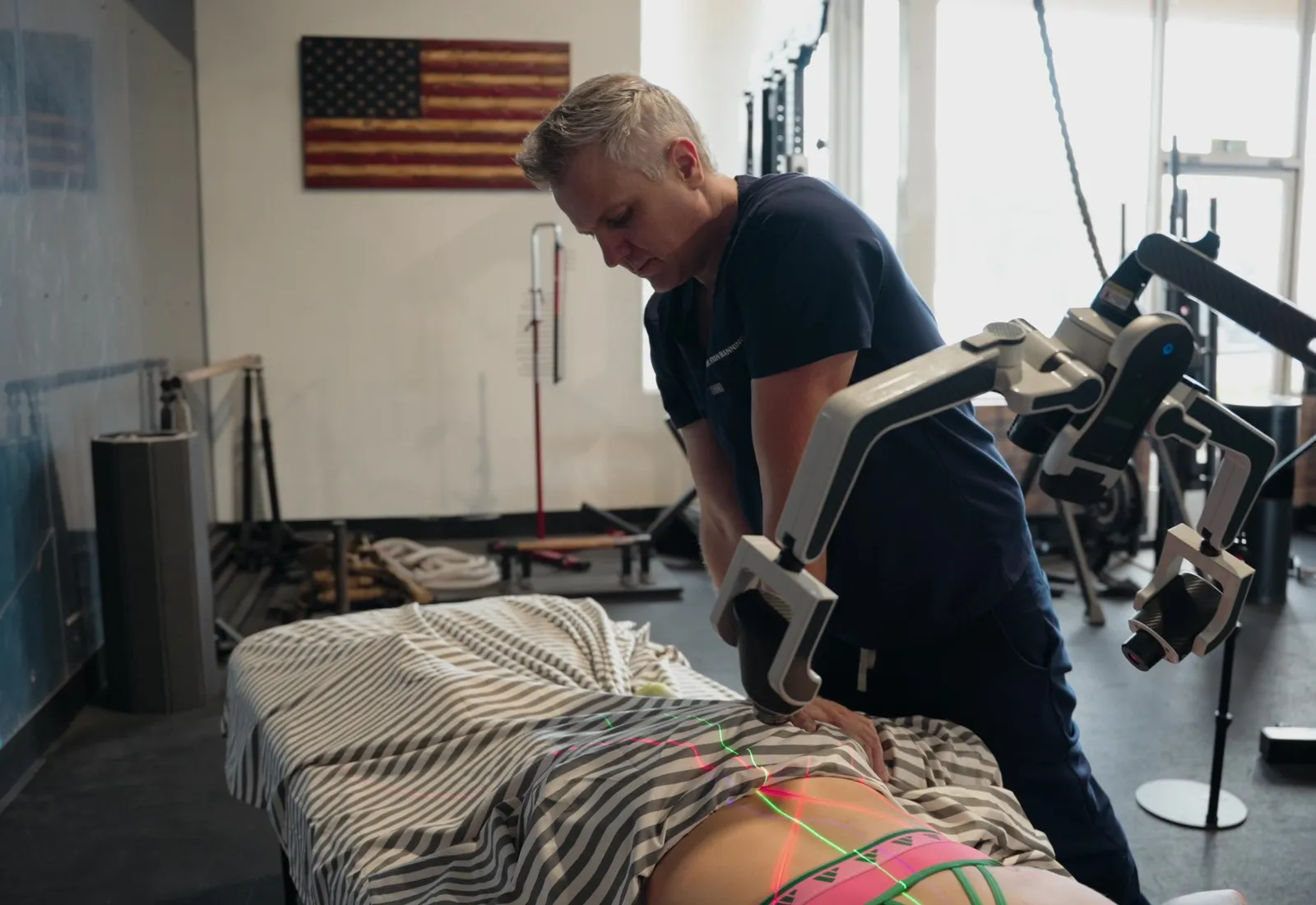
Cleared for painMusculoskeletal pain clearances earned through double-blind, randomized, placebo-controlled trials — the evidence bar most tools in your rehab room have never faced.
1st
FDA market clearance ever granted for low-level laser therapy
25
FDA clearances since 1996, on double-blind, randomized, placebo-controlled trials
42,000+
Erchonia devices in the field
30
years in the human market — athletes and patients who could say whether it worked
Two disciplines, one operating logic
Dose. Response. Adaptation.
You already coach this.
Progressive overload works because the body answers a well-chosen stimulus with adaptation — and overreaches when the dose is wrong. Photobiomodulation obeys the same law, compressed into a treatment session. That is why the modality belongs in a performance setting: not as another gadget in the recovery room, but as the stimulus-response reasoning your programming is built on, delivered as light.
| Training | Low-level laser therapy | |
|---|---|---|
| The stimulus | Mechanical load, precisely programmed | Coherent light at a precisely selected wavelength and site |
| The dose principle | Progressive overload: the right dose adapts, too much breaks down | Biphasic response: low doses stimulate, excessive doses inhibit |
| The response | Tissue remodels, capacity grows | Mitochondrial energy production rises, cell signaling shifts |
| The outcome | The body adapts itself | The body regulates itself |
A bigger stimulus isn’t a better one. Your discipline already knows that. The physics agrees.
The mechanism
How photobiomodulation works
The mechanism speaks your athletes’ language: ATP.
01
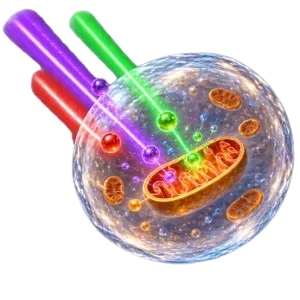
Absorption
Photons are absorbed by chromophores in the cell — chiefly cytochrome c oxidase in the mitochondria. Absorption is wavelength-specific, which is why Erchonia engineers discrete violet (405 nm), green (520 nm) and red (635 nm) diodes rather than broad-spectrum output.
02
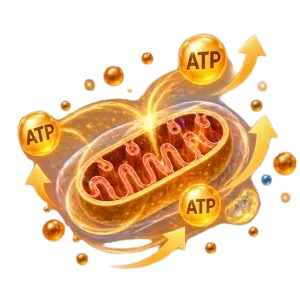
Energy production
Absorption drives ATP synthesis upward — the treated cell has more energy available for signaling and regulation.
03
Signaling
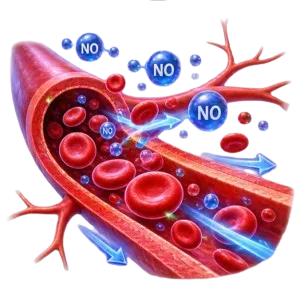
The same event releases nitric oxide and a brief pulse of reactive oxygen species — signaling molecules that shift gene expression in the treated cell.
04

A response beyond the beam
These signaling mediators move beyond the treatment site, so measured effects aren’t confined to the spot under the laser — a systemic answer to a local stimulus, which is exactly how your athletes’ bodies respond to training itself.
Every coach in your building already calls ATP the currency of performance. Photobiomodulation’s primary documented cellular event is increased ATP production. The mechanism and the discipline run on the same molecule.
Why Erchonia
Why Erchonia, specifically
High-energy, not high-powered. And the category’s first clearance.

Power counts photons. Energy is what each photon can do.
Wattage measures photon quantity — and in tissue, excess quantity becomes heat. A photon’s energy is set by wavelength: Erchonia’s 405 nm violet carries ~3.06 eV, over one and a half times the ~1.95 eV of 635 nm red. Photochemistry at milliwatt power, with the biphasic dose principle respected by design. Class IV devices marketed on wattage deliver enormous photon quantities whose individual photons carry less energy; the dominant effect is thermal, and excessive dose inhibits the very response the therapy is meant to stimulate.

The evidence habit started here.
Erchonia earned the first FDA market clearance ever granted for low-level laser therapy — and has built 25 clearances since 1996 on double-blind, randomized, placebo-controlled trials, across musculoskeletal indications including chronic low back pain and plantar fasciitis. In a modality category crowded with borrowed citations, your athletes’ searches lead back to the original.

Built for the training room.
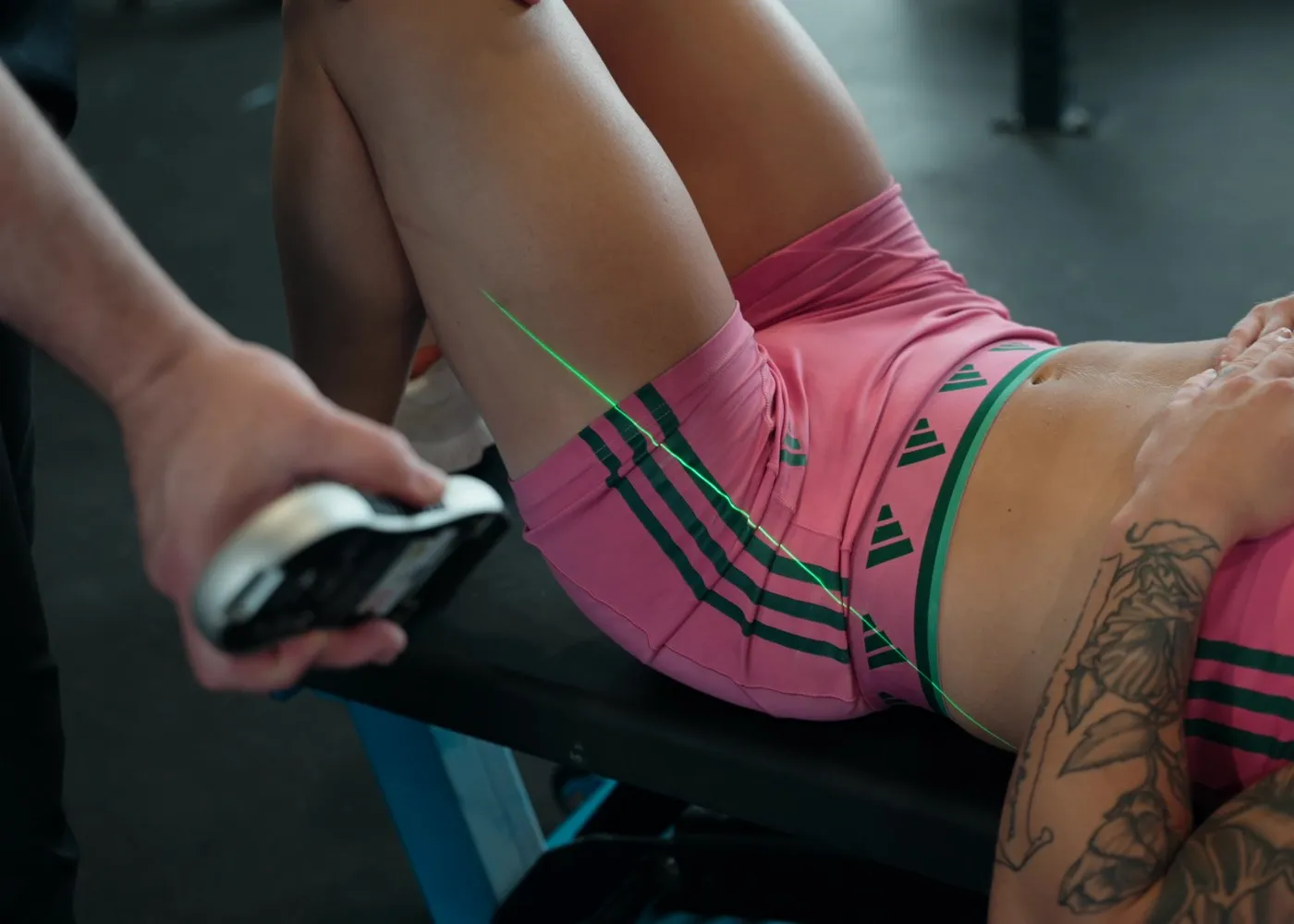
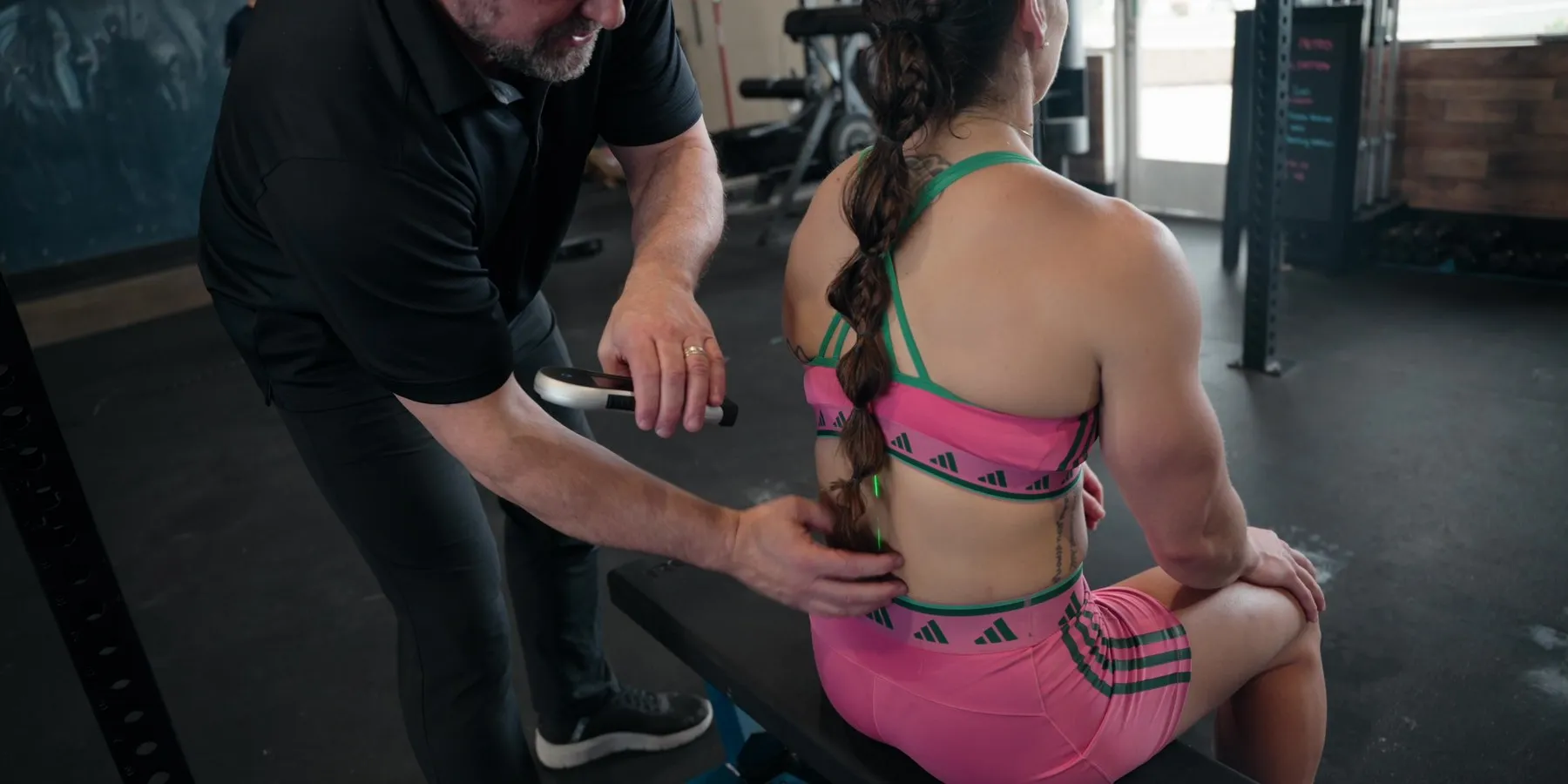
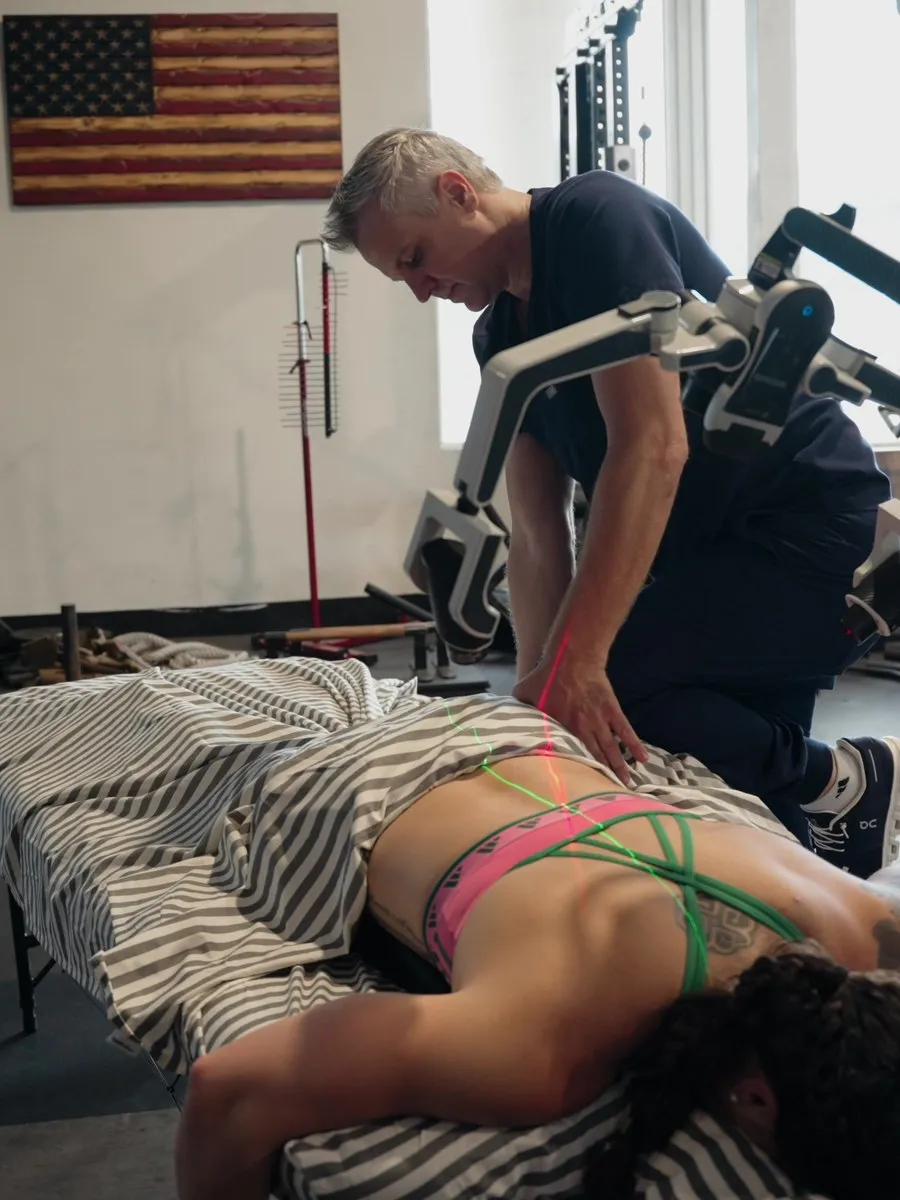
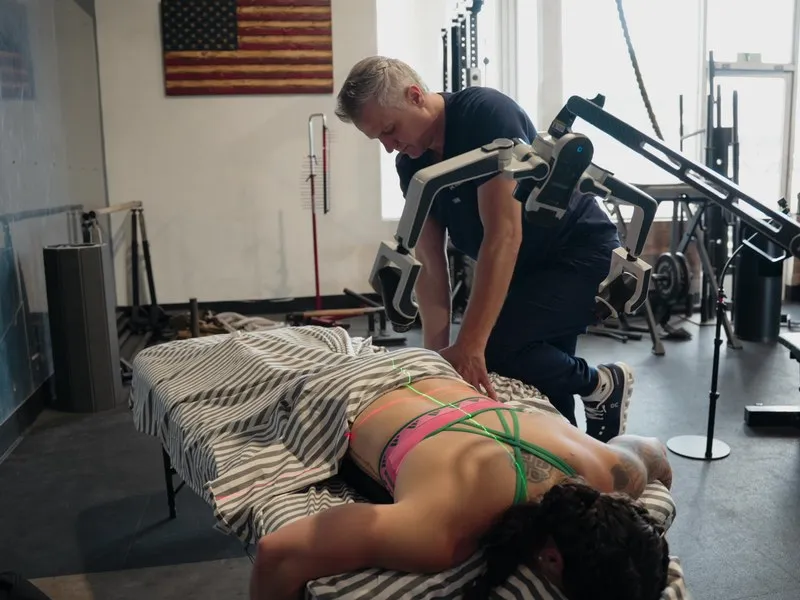
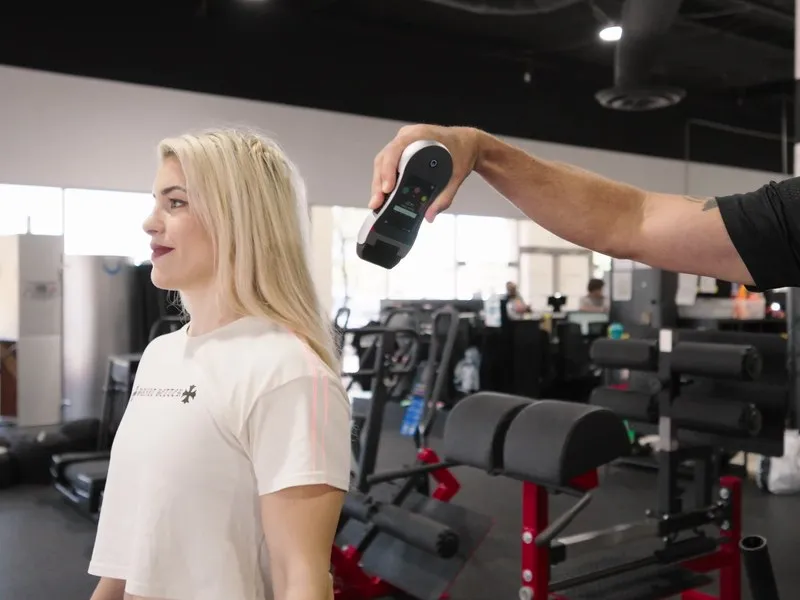
Stand-mounted scanner platforms run hands-free protocols while your staff works; handheld systems travel to the table, the sideline and the road. Sessions are short enough to fit inside existing appointments and training blocks.
The recovery room
Scheduled like training. Tracked like training.
How practices integrate it
Three models, from clinic to performance floor
Rehab plan, same-visit adjunct, or a standing recovery block.
01
Rehabilitation within cleared indications
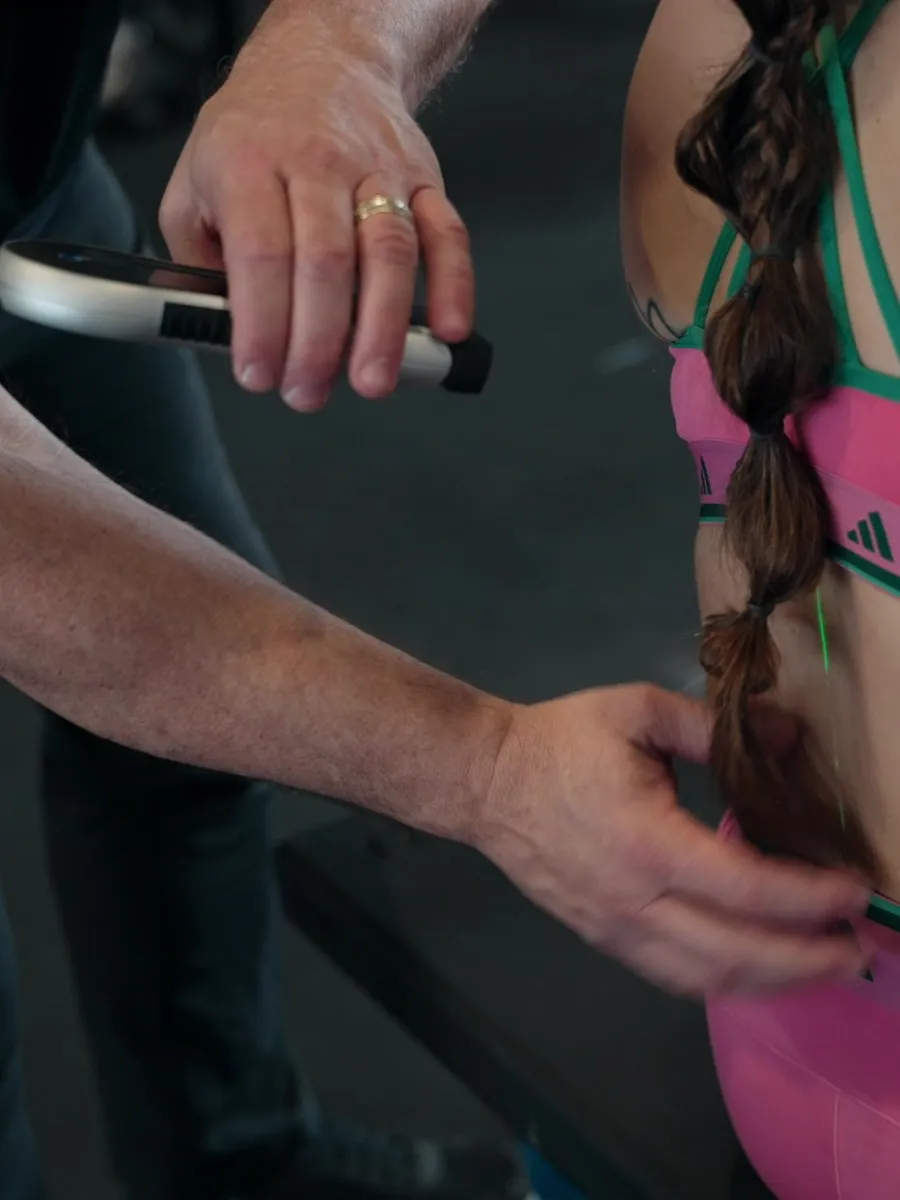
Erchonia’s musculoskeletal pain clearances were established on defined multi-session protocols — a structure that maps directly onto return-to-activity planning: a scheduled series, objective re-checks, progression criteria. The laser slots into the rehab plan you’d build anyway and gives the athlete a visible reason to keep every appointment.
02
Same-visit adjunct care
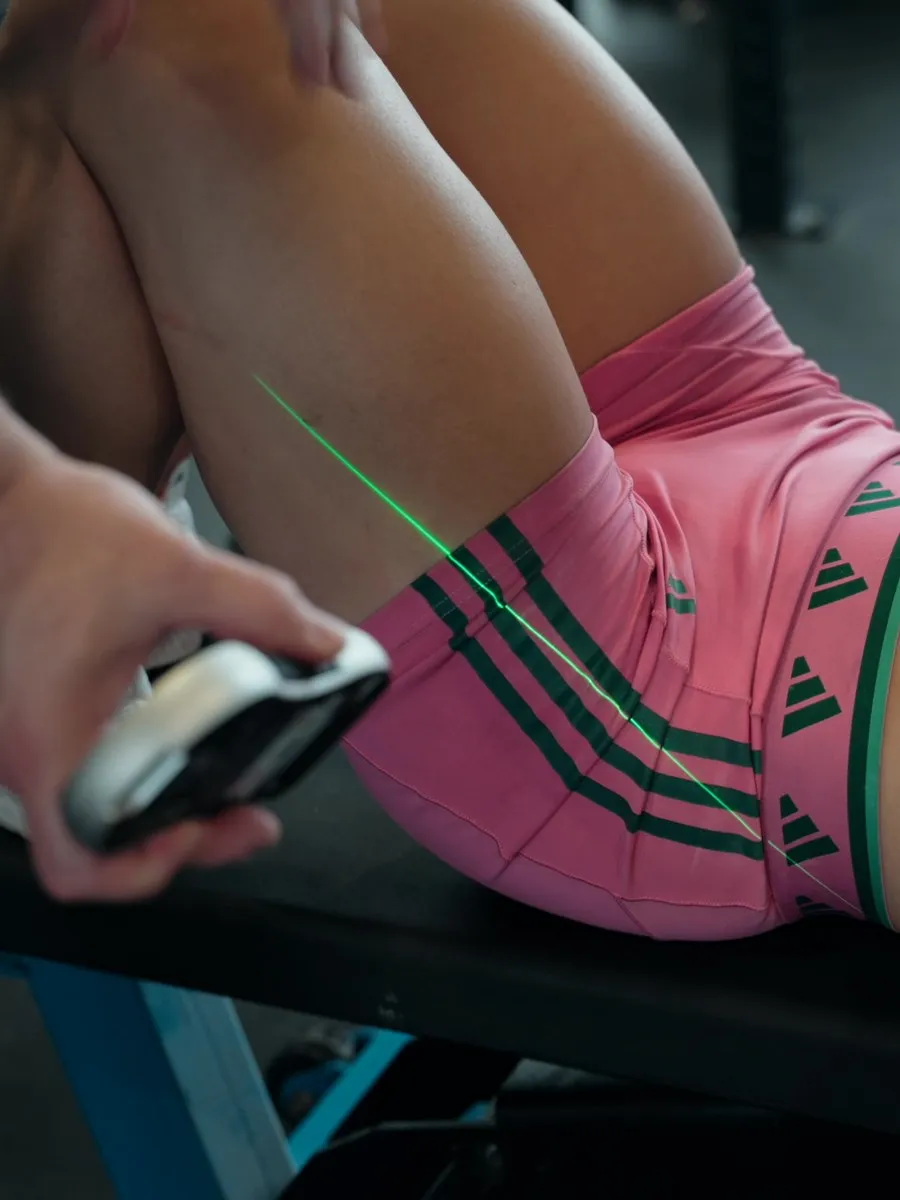
Because sessions are short and non-thermal, laser application layers into the visit you’re already running — after the adjustment, alongside manual therapy, or following table work. Two mechanisms recruited toward the same outcome, with no added appointment slot.
03
Structured recovery programming
Practitioner-directed laser sessions built into recurring recovery blocks for in-season athletes and active adults — scheduled like training, tracked like training, anchored to the musculoskeletal complaints your assessment identifies. Hands-free scanner operation means the recovery room runs without consuming a clinician’s hour.
Clinic · Athletes · P&L
The practice case

Clinical fit
Non-thermal, non-invasive and drug-free — a modality that works alongside manual therapy, rehab and strength work without contradicting any of them, backed by the trial design your most evidence-demanding colleague will ask to see.
Athlete fit
Drug-free and needle-free matters to this population more than any other: nothing pharmacological, nothing invasive, nothing that interrupts training. Sessions fit inside the schedule an athlete already keeps, and the experience — lying still while light does the work — is the easiest sell in your building.
Business fit
Session economics that round to zero. Handheld platforms carry no per-use cost; scanner platforms a nominal per-session fee. No applicator cards, no consumable kits.
Hands-free throughput. Scanner protocols run unattended, so the recovery room produces revenue without producing clinician fatigue.
A differentiator the market can’t fake. “Rehab clinic with the first-cleared, RCT-validated laser platform” is a position no import device or borrowed-science competitor can copy.
Systems
Choosing a system
Matched to your setting, from private clinic to team facility.
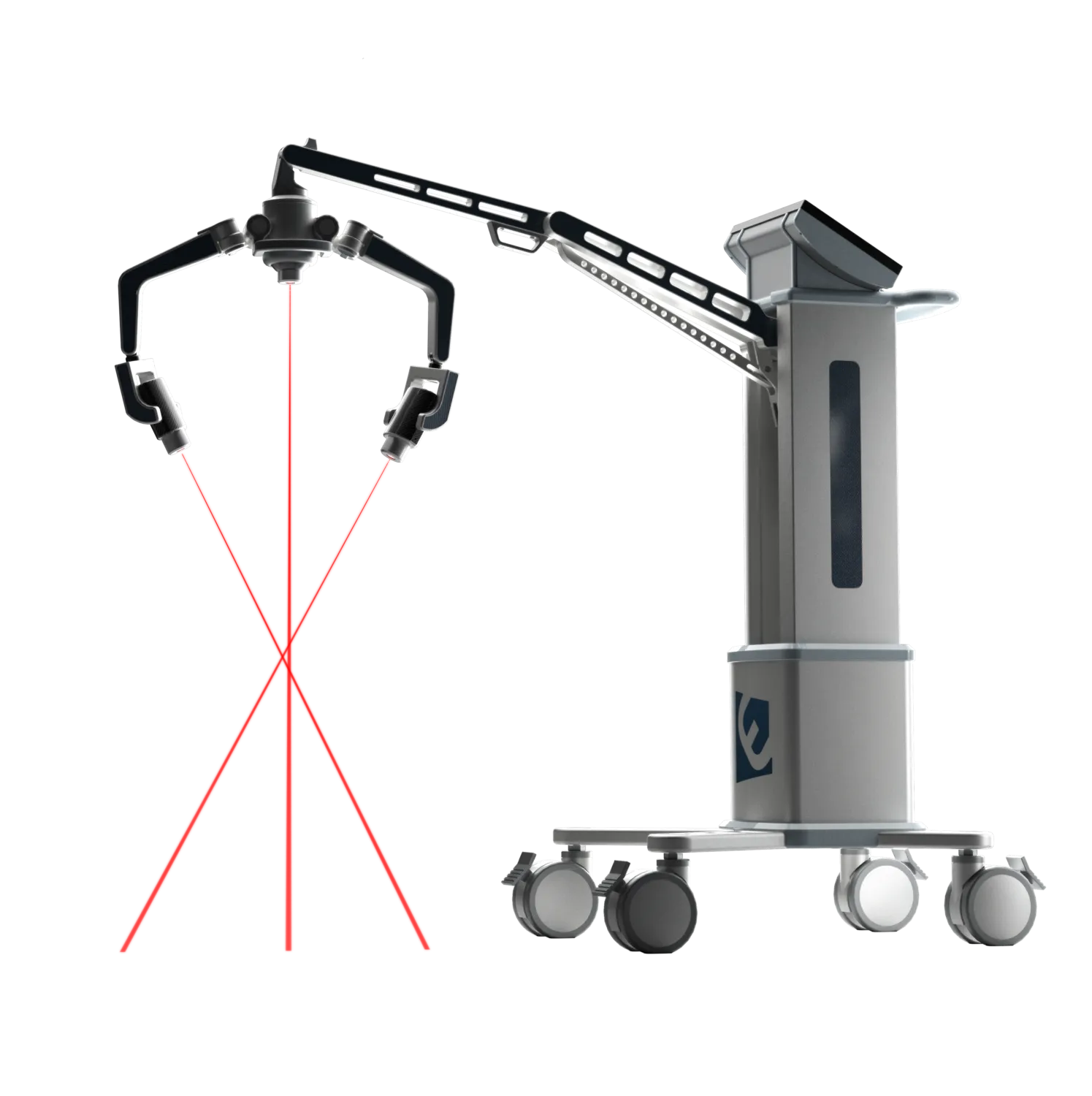
FX 635
Stand-mounted · hands-free scanner
The recovery-room platform: hands-free protocols that run while your staff works, cleared for chronic low back pain and plantar fasciitis among its indications.
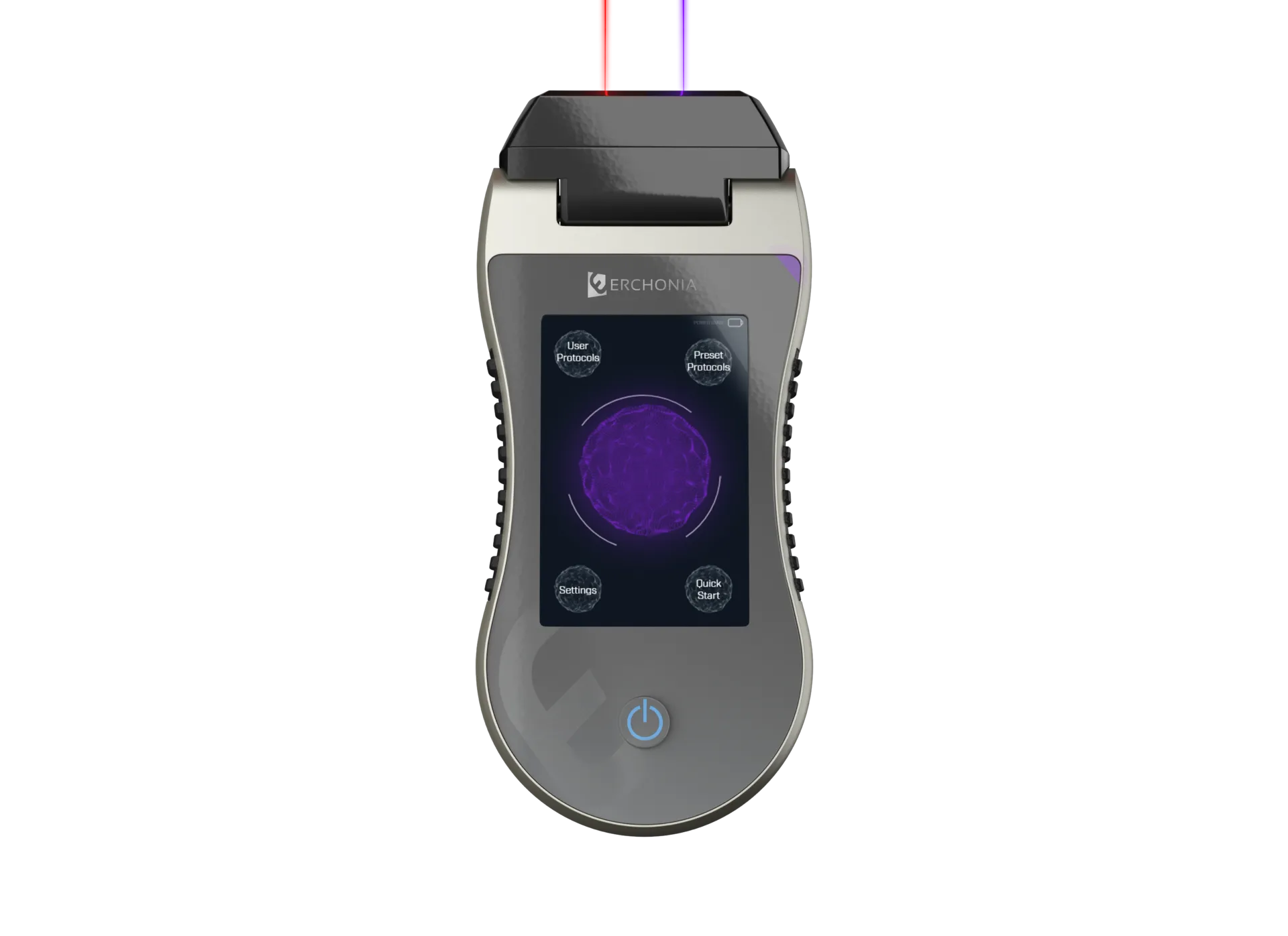
EVRL
405 nm violet + 635 nm red · handheld
The handheld that travels — table, sideline and road — with red and violet diodes in one instrument.

GVL
520 nm green + 405 nm violet · handheld
The most energetic pairing in the line — the first green-violet combination laser, FDA cleared in 2023.
The right fit depends on your patient mix, your treatment-room and recovery-space setup, and whether the platform needs to travel. Our team works with sports medicine, chiropractic and performance facilities every week and can map a system to how your building actually runs.
Table to sideline
Wherever the athlete is.
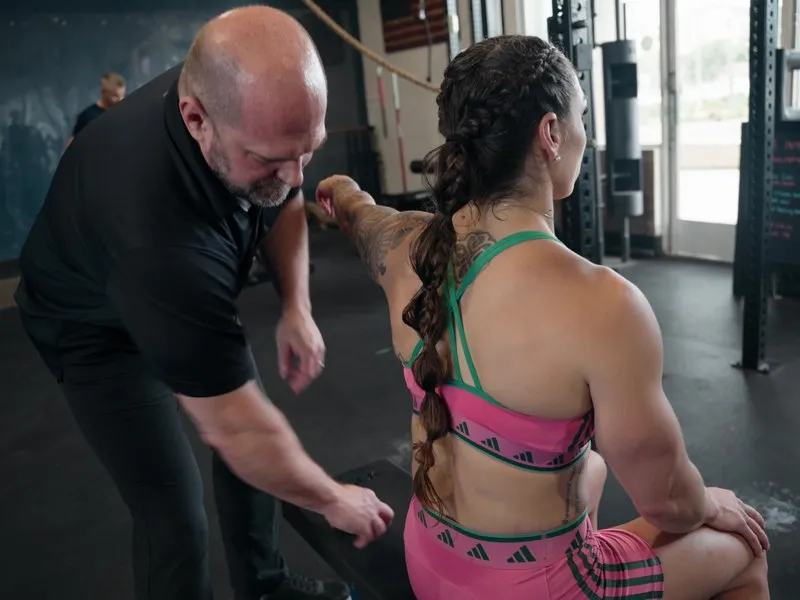
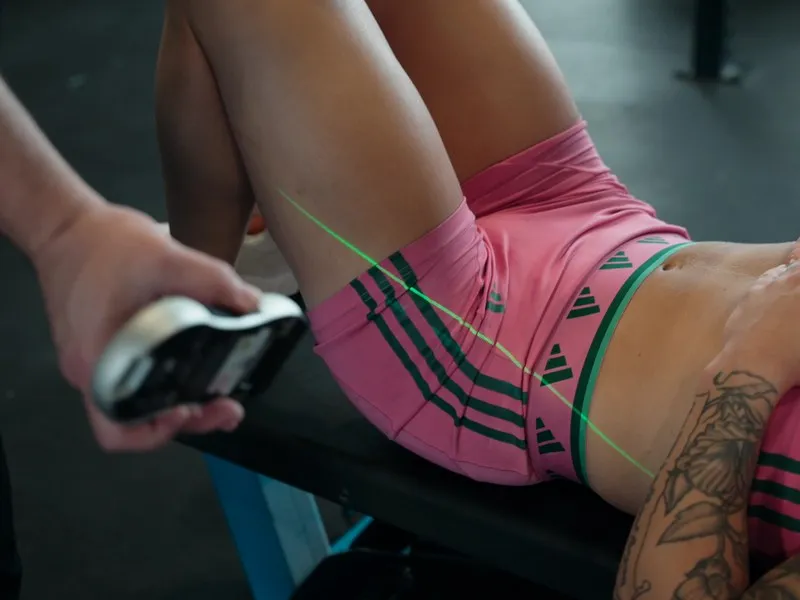
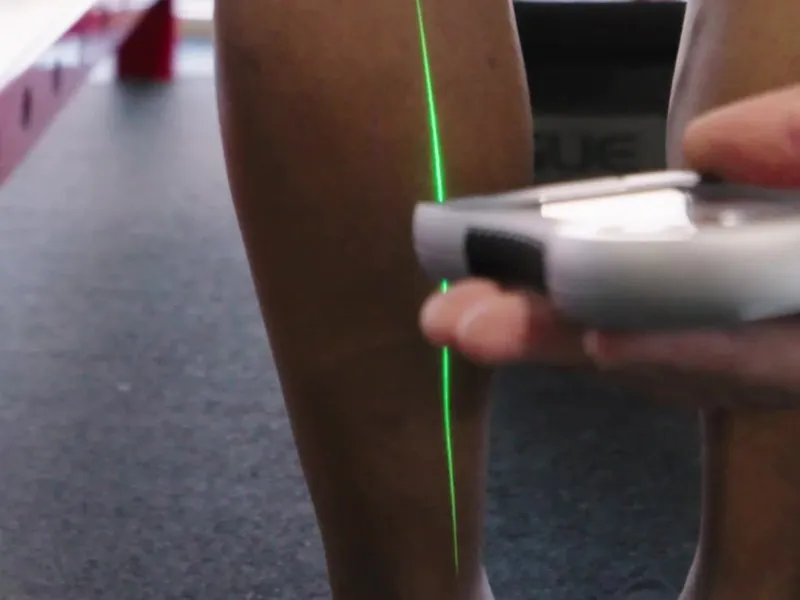
Handheld to the sideline, hands-free in the recovery room — placed precisely, dosed on purpose.
Questions
Questions performance practices ask
Next step
Let’s map a system to your building.
Private clinic, sports-med group or team facility — tell us how it runs.
Every system ships with onboarding and protocol support from our clinical team.