|

Veterinary
Veterinary
Built for patients who can’t tell you where it hurts.
When the patient can’t report, the mechanism has to be trustworthy on its own.
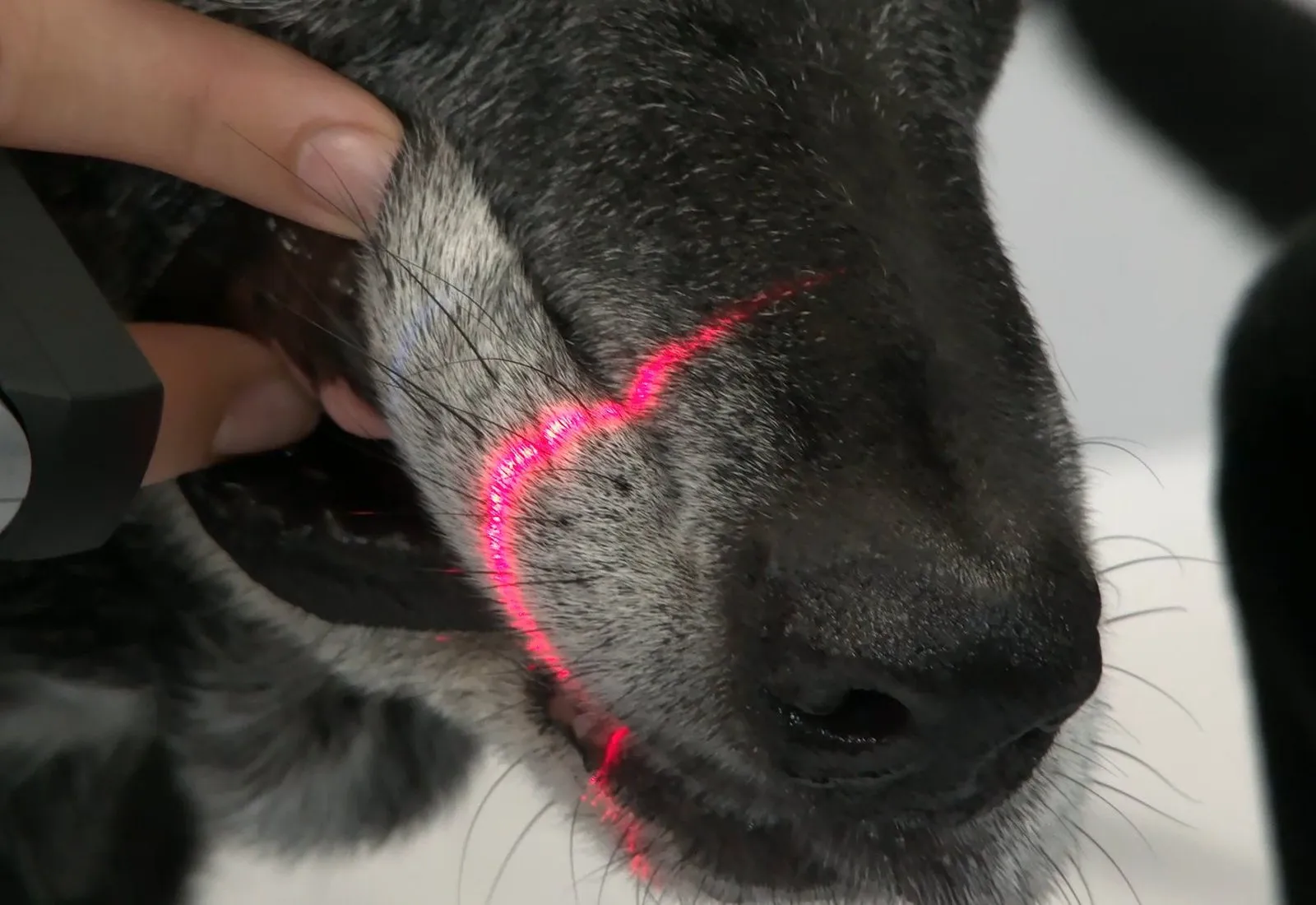
Your patients can’t describe pain, warn you about discomfort, or tell you when a treatment feels wrong. Erchonia’s low-level lasers are non-thermal by mechanism: no heat to feel, no sensation to fear, no pharmacological load to manage.
- Non-thermal
- FDA-cleared
- Drug-free
- Silent
- Handheld or stand-mounted
First FDA market clearanceever granted for low-level laser therapy — and 25 clearances since 1996.
1st
FDA market clearance ever granted for low-level laser therapy
25
FDA clearances since 1996, on double-blind, randomized, placebo-controlled trials
42,000+
Erchonia devices in the field
30
years judged by human patients who could say whether it worked
Safety by mechanism
When the patient can’t give feedback
Gentle by mechanism, not by settings.
A high-powered thermal laser depends on feedback to stay safe — the operator adjusts around what the patient reports feeling. Your patients don’t report. That single fact changes what “the right laser” means in veterinary medicine.
Erchonia’s mechanism is photochemical, not thermal. There is no heat to manage, no burn pathway to react to, and nothing for coat color to amplify. Comfort isn’t inferred. It’s built in.
| Comparison | High-Powered Thermal Laser | Erchonia Low-Level Laser |
|---|---|---|
| Heat at the tissue | Dominant effect is thermal — dosing manages heat buildup | Non-thermal by mechanism — there is no heat to manage |
The patient’s role in safety | A patient who feels burning can’t say so; comfort is inferred | No heat sensation exists to detect; comfort isn’t a guess |
| Coat and pigment | Dark coats and skin absorb more thermal energy, tightening the margin for error | Photochemical dosing doesn’t ride on a thermal margin |
Sedated and low-mobility patients | Reduced ability to react adds operator burden | The mechanism carries no burn pathway to react to |
| The animal’s experience | Warming sensation, handling around a heat source | Nothing to feel — the patient simply rests |
With a non-verbal patient, safety that depends on feedback is a compromise. Safety that comes from the mechanism itself is not.
The mechanism
How photobiomodulation works
A mitochondrion doesn’t care about species.
01
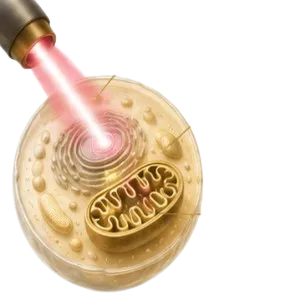
Absorption
Photons are absorbed by chromophores in the cell — chiefly cytochrome c oxidase in the mitochondria. Absorption is wavelength-specific, which is why Erchonia engineers discrete violet (405 nm), green (520 nm) and red (640 nm) diodes rather than broad-spectrum output.
02
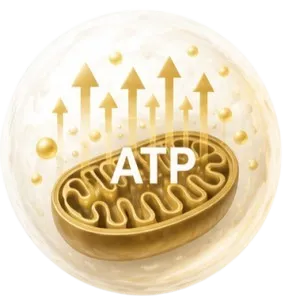
Energy production
Absorption drives ATP synthesis upward — the treated cell has more energy available for repair, signaling and regulation.
03
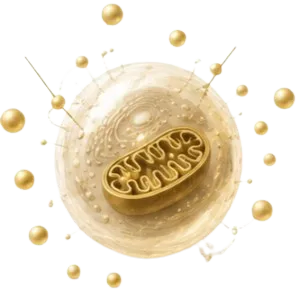
Delivery and signaling
The same event releases nitric oxide, supporting microcirculation, and enhances cellular communication — the coordination tissue repair depends on.
04
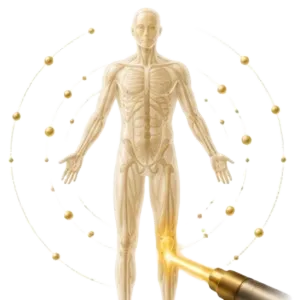
A response beyond the beam
Signaling mediators circulate, so measured effects aren’t confined to the spot under the laser — reducing pain and inflammation without adding to the patient’s pharmacological load.
The cascade runs on cellular biology your patients already share with every species studied. What changes between a Labrador, a barn cat and a warmblood is anatomy and dosing — practitioner territory — not the mechanism itself.
Why Erchonia
Why Erchonia, specifically
High-energy, not high-powered. And a pedigree you can cite.
Power counts photons. Energy is what each photon can do.
Wattage counts photon quantity — and in tissue, excess quantity becomes heat. A photon’s energy is set by wavelength: Erchonia’s 405 nm violet carries ~3.0 eV, over one and a half times the ~1.9 eV of 640 nm red. Photochemistry at milliwatt power, with the biphasic dose principle respected by design.

Violet does double duty.
The 405 nm wavelength — the most energetic in the line — brings anti-microbial and anti-bacterial properties alongside its therapeutic role: an extra tool against the bacterial complications that shadow wounds, skin conditions and post-procedure sites.

Three decades of patients who could talk.
Human patients report whether the pain changed. Erchonia earned the first FDA market clearance ever granted for low-level laser therapy and has built 25 clearances since 1996 on double-blind, randomized, placebo-controlled trials. The technology you point at a patient who can’t give feedback has spent thirty years being judged by the ones who could.
Built for animal handling.
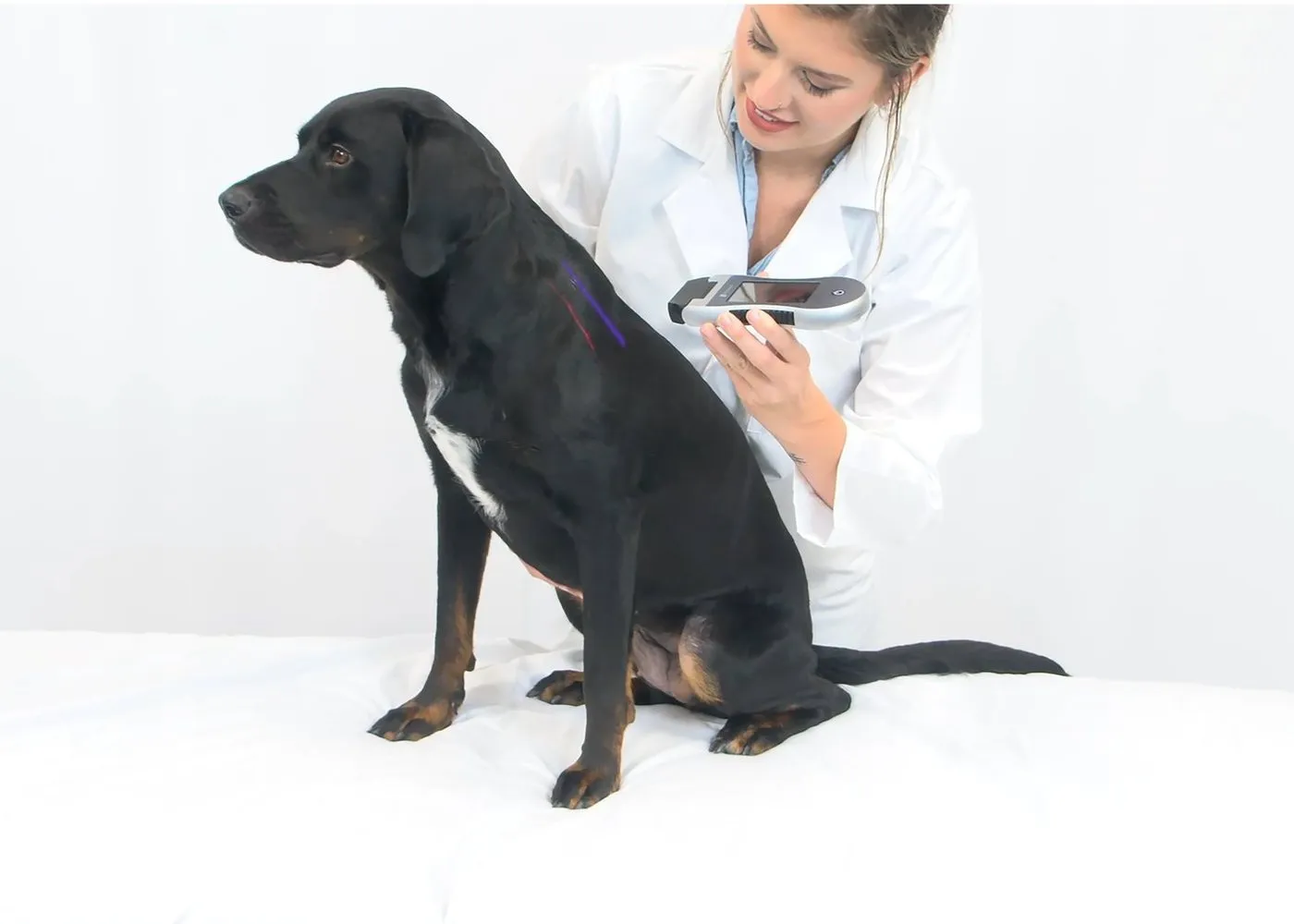
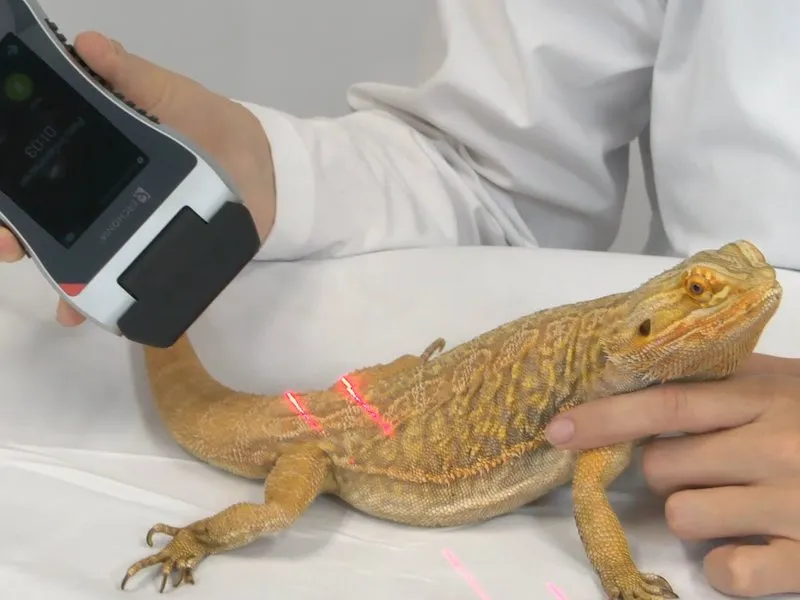
Silent, no heat source near the patient, and sessions short enough to fit inside an exam or rehab visit. Handhelds travel from table to stall; stand-mounted scanners run hands-free while your team works. The calmest modality in the building is usually the easiest one to deliver.
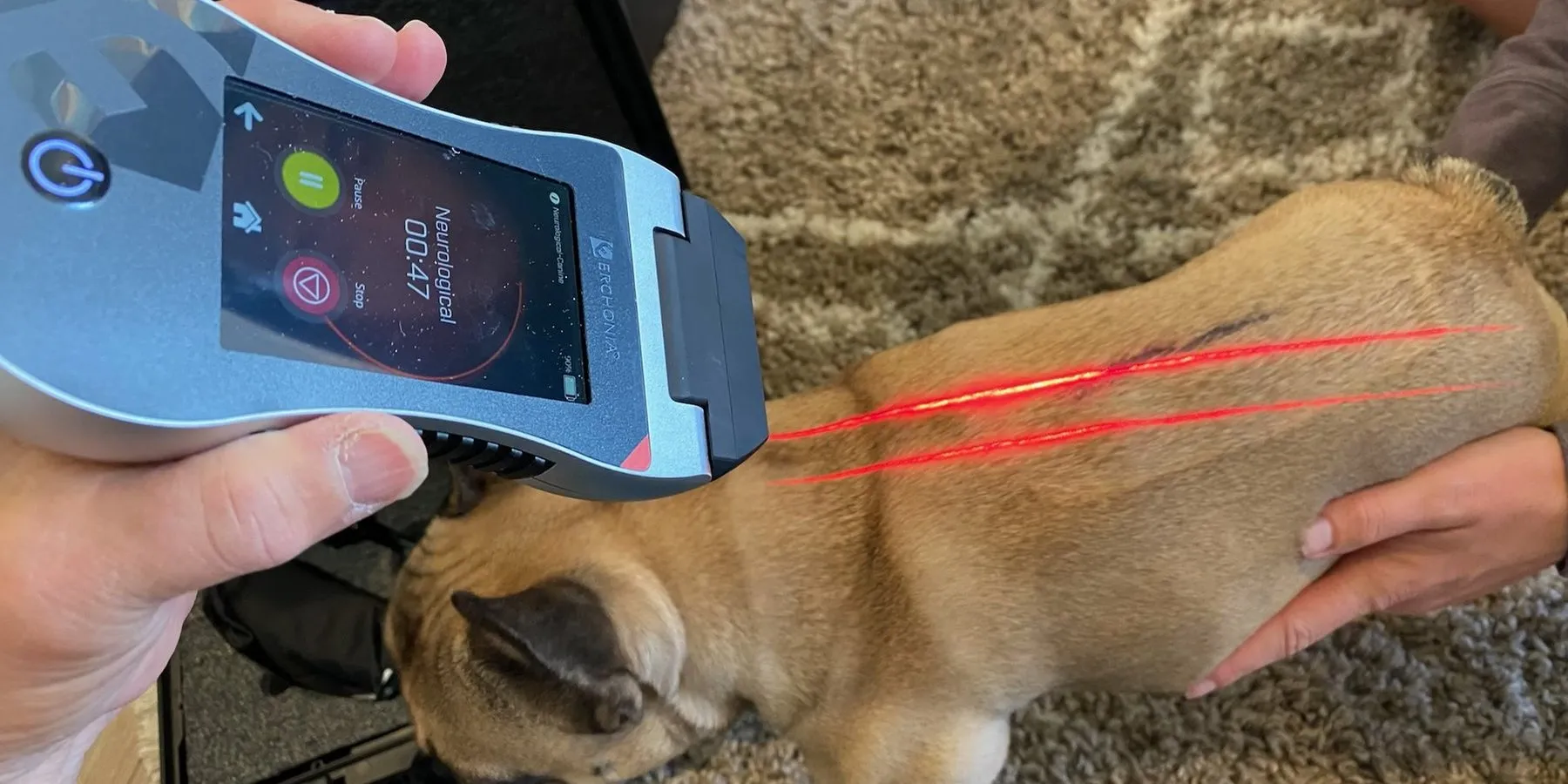
From table to stall
Handheld systems travel from the exam table to the living-room rug. Scanner platforms anchor the treatment room. The mechanism is the same in both.
In practice
How practices integrate it
Three models, from exam room to barn.
01
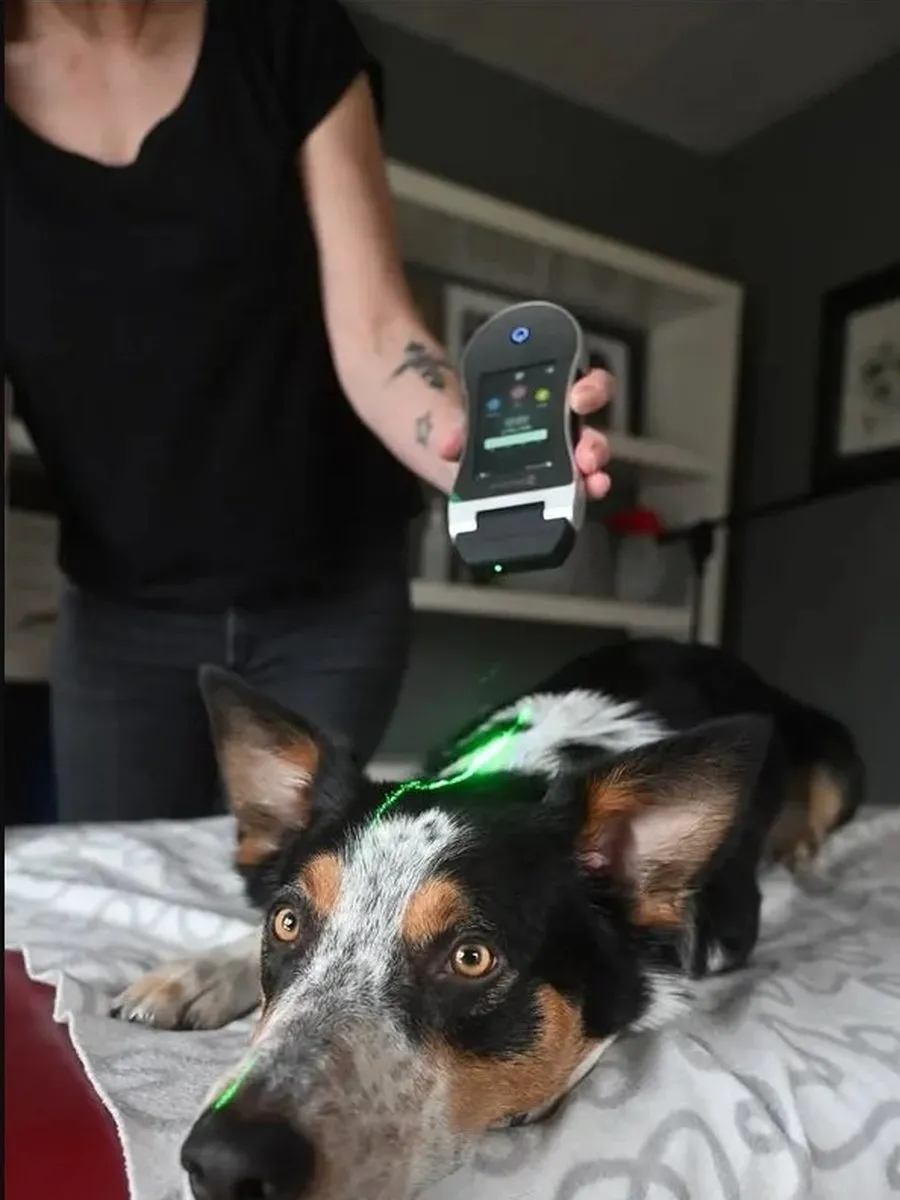
Post-procedure and rehabilitation support
Practitioner-directed sessions built into recovery and rehab plans — a defined series with scheduled re-checks that slots into the protocols you already write. Drug-free, so it can reduce reliance on medication where your judgment allows; violet’s anti-microbial properties add support around wounds and post-procedure sites.
02
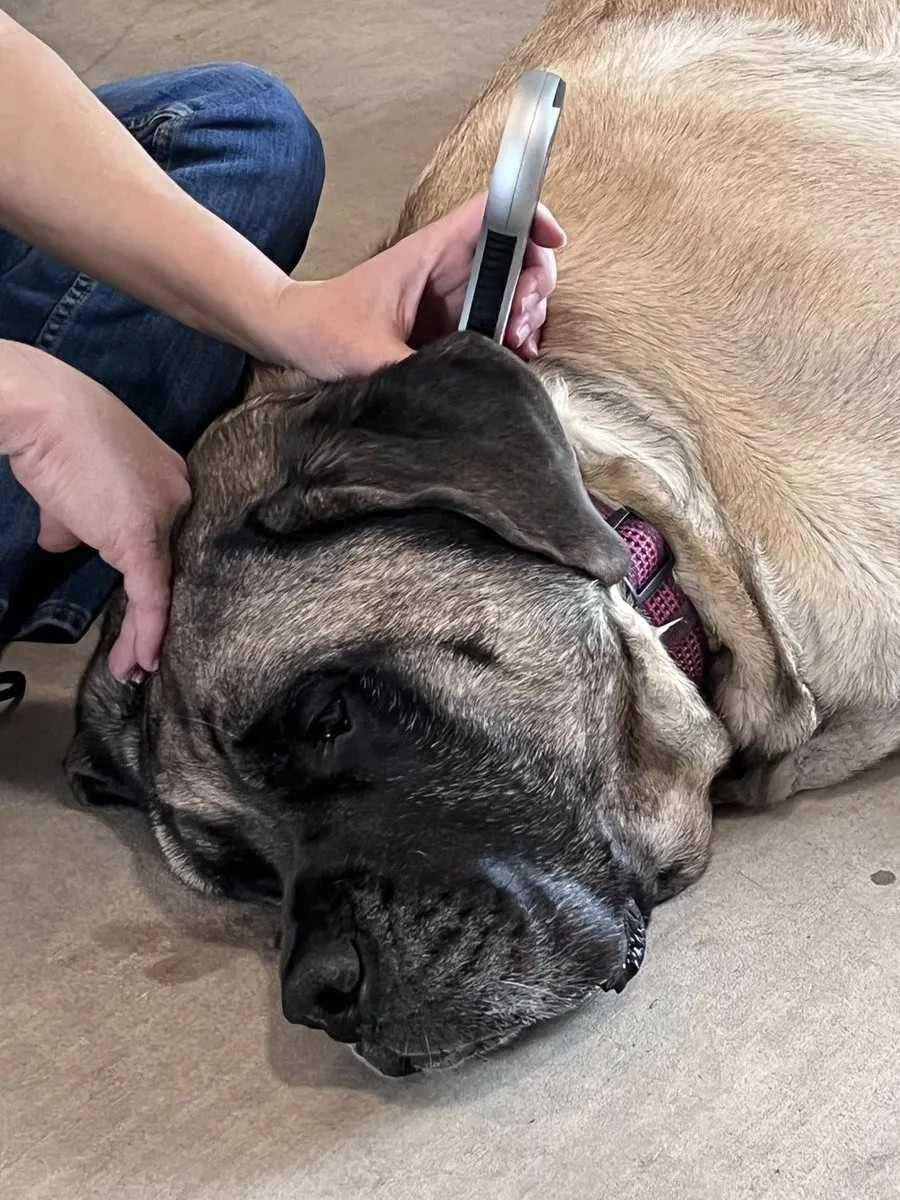
Senior mobility and comfort programs
Aging patients are the fastest-growing conversation in companion-animal medicine, and their owners are asking for gentle, drug-free options inside a structured plan. Recurring laser programs — scheduled like wellness visits, tracked against mobility goals you set — give them one, and give the practice a durable recurring-care relationship.
03
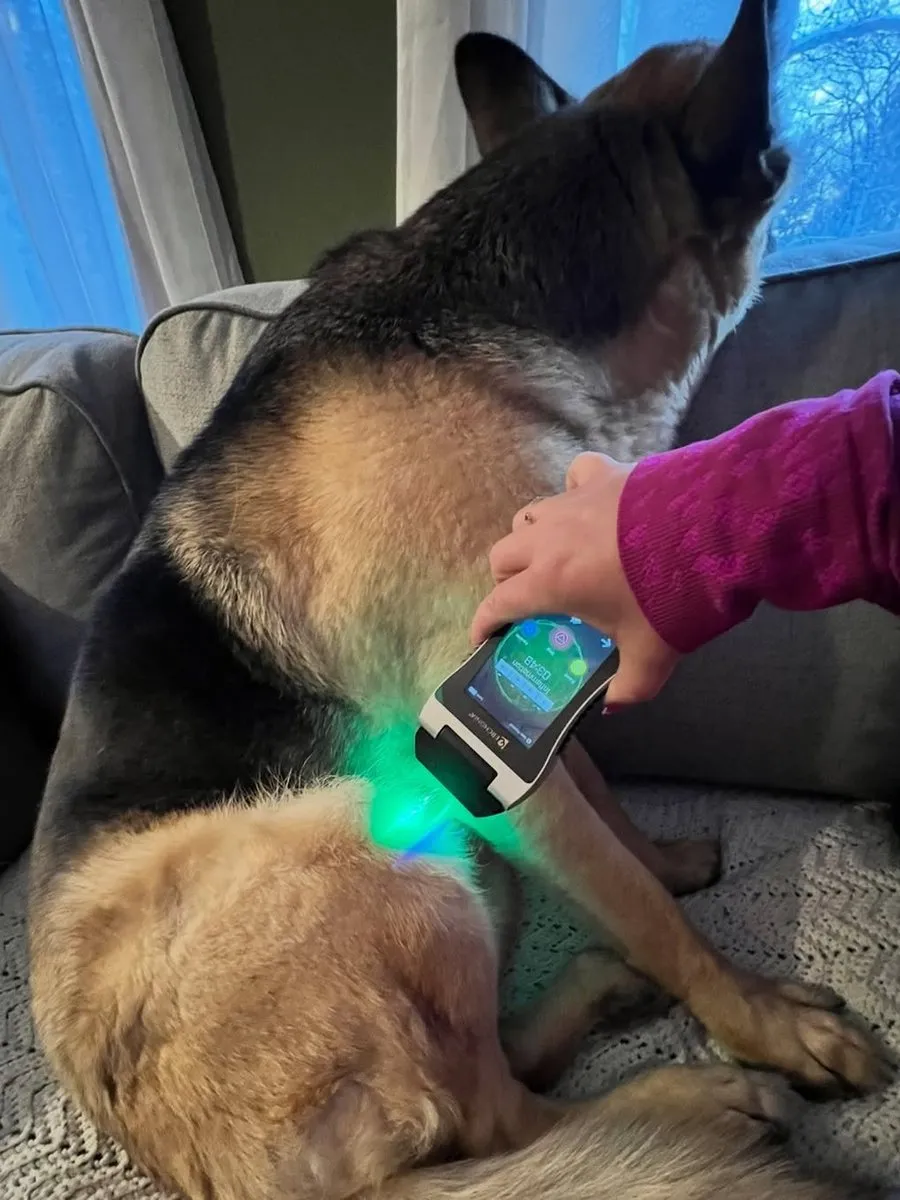
Working and performance animals
Agility dogs, working K9s and equine athletes carry workloads their owners manage as seriously as any human athlete’s. Practitioner-directed laser care fits training and competition calendars the way it fits a sports-medicine clinic: short sessions, no downtime, nothing pharmacological in play.
Clinic · Patients · P&L
The practice case

Clinical fit
Non-thermal, non-invasive and drug-free — a modality that layers alongside medical, surgical and rehab care without complicating it, safe by mechanism for the patients who can’t give you feedback.

Patient and owner fit
The animal experiences nothing to fear — no heat, no clippers, no injection, no restraint beyond gentle positioning. The owner sees a practice investing in gentle, research-grade technology and gets a care story they can explain — which is what turns a treatment into a program they’ll commit to.

Business fit
Cash-pay by default. Laser programs price as packages and memberships with no payer in the loop.
Session economics that round to zero. No applicator cards, no consumable kits — the margin stays in the practice.
Delegable delivery. Short, protocol-driven sessions run under your existing supervision model.
Systems
Choosing a system
Matched to your patients, from clinic to stall.
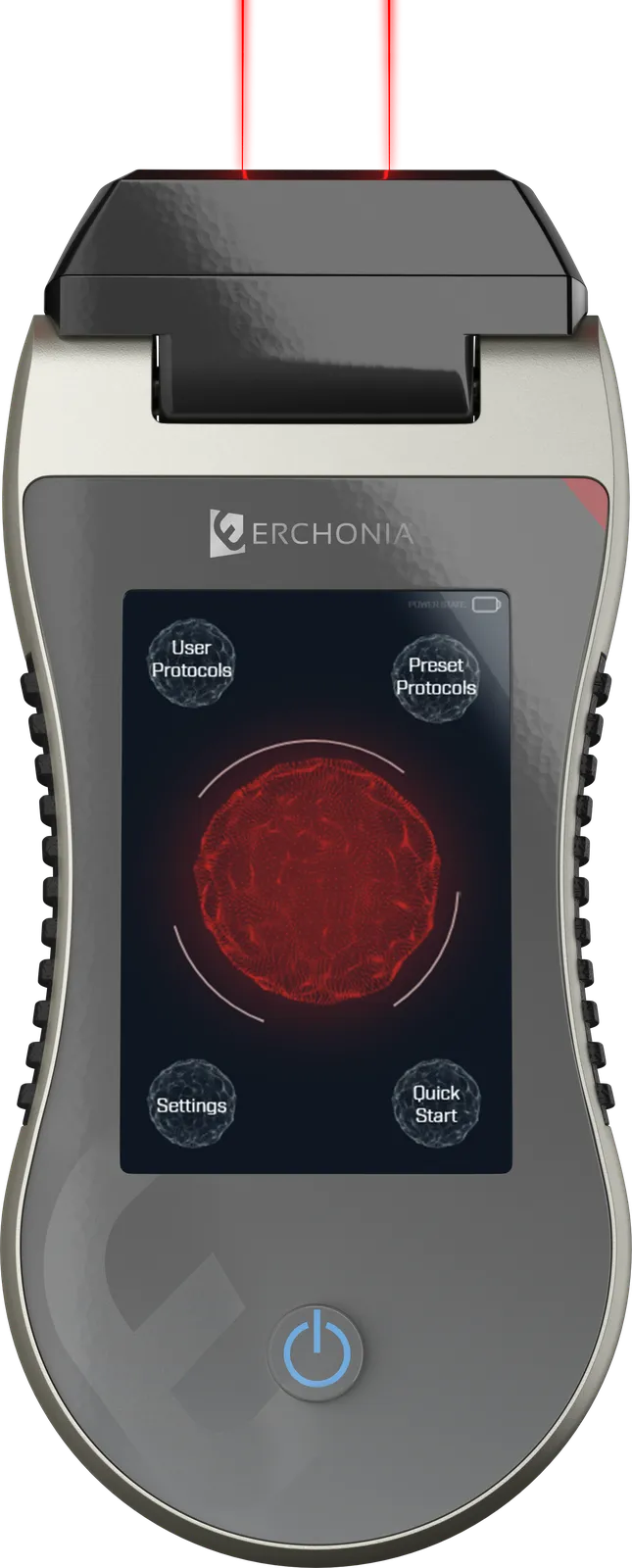
VLS
640 nm red · dual diode
The proven starter platform, built on the technology practitioners have trusted for two decades.
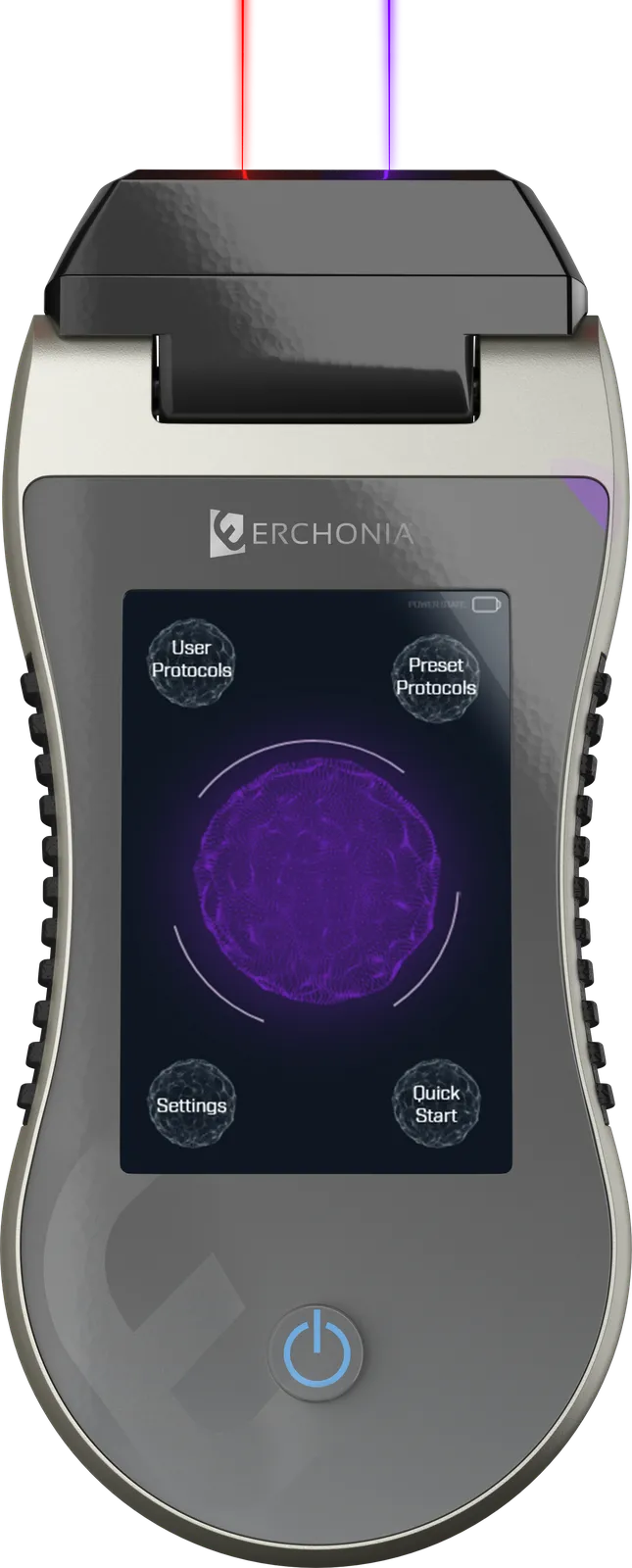
EVL
405 nm violet + 640 nm red
The line’s top seller — the most energetic wavelength in the range plus violet’s anti-microbial properties.
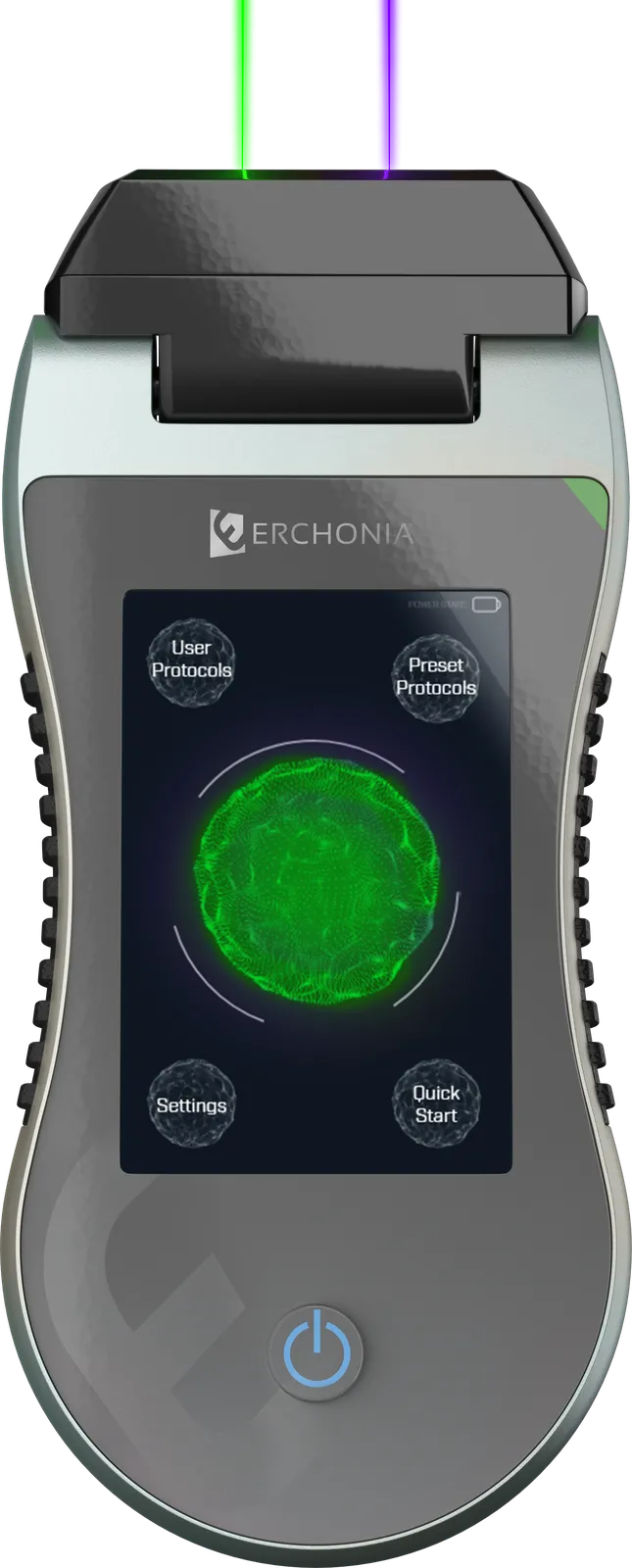
VGL
520 nm green + 405 nm violet
The first green-violet combination laser and the most energetic pairing in the line; the platform FDA cleared for human use in 2023.
Stand-mounted scanner systems extend the range for hands-free protocols. Our team works with veterinary practices, rehab facilities and equine operations every week and can map a system to your patient mix — companion, working or equine — and how your practice actually runs.
Range
Which animals? Most of them.
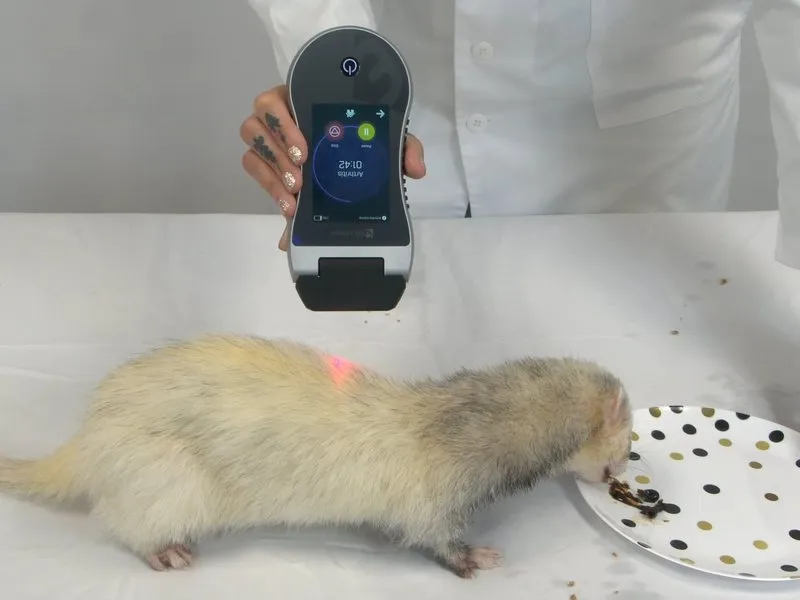
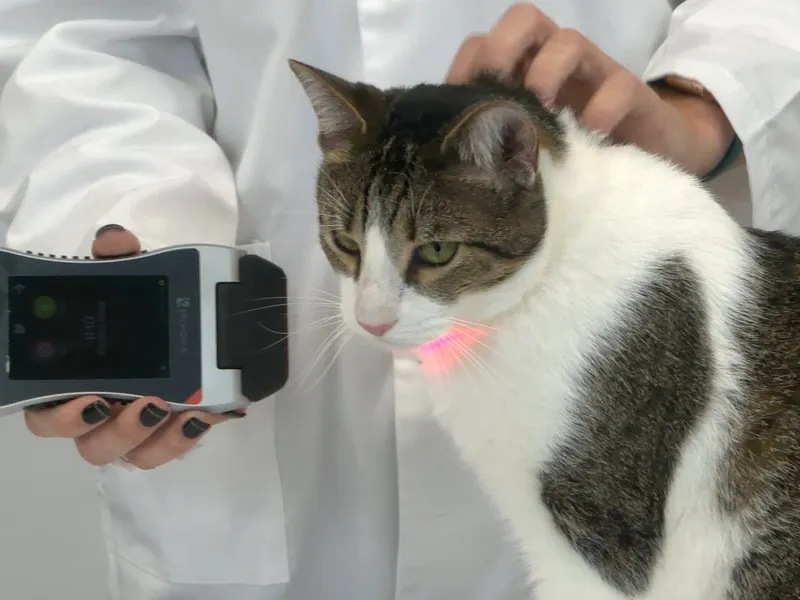
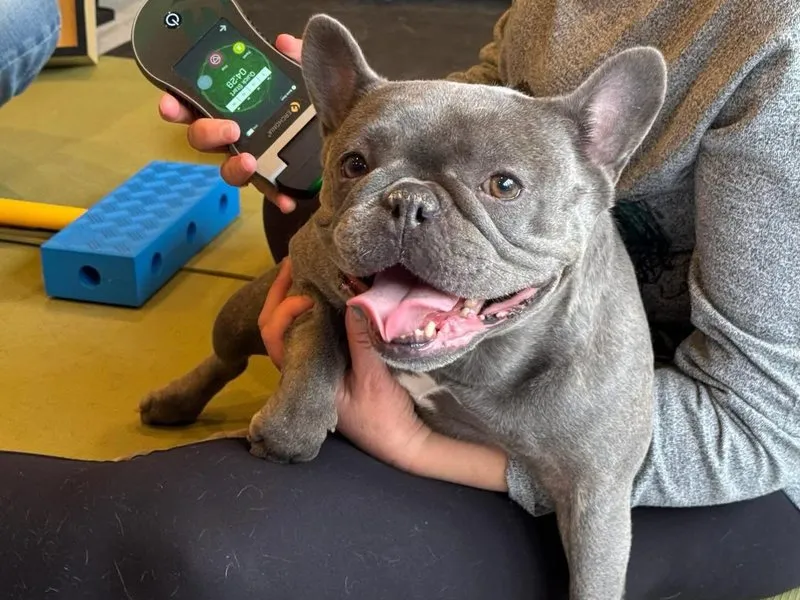
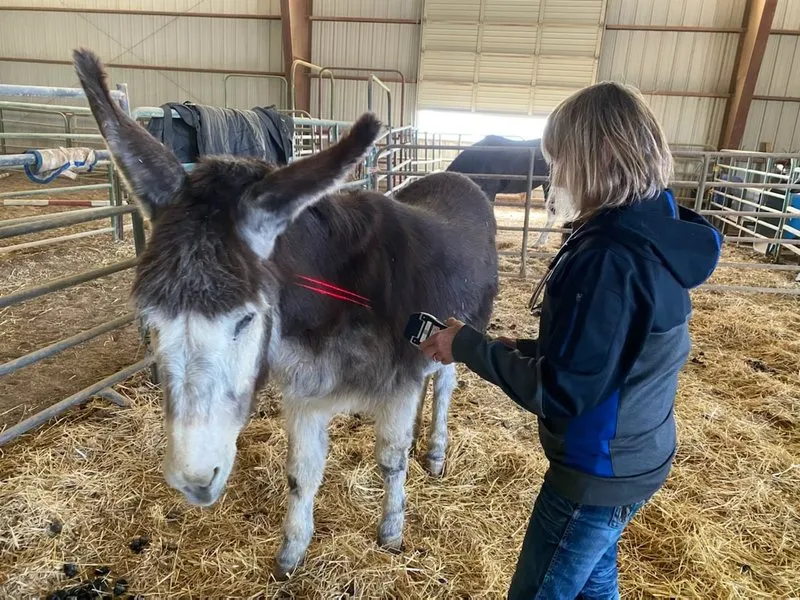
Companion, working, exotic, equine — the mechanism is conserved across species.
Questions
Questions practices ask
Next step
Let’s match a system to your patients.
Companion, working or equine — tell us how your practice runs.
Every system ships with onboarding and protocol support from our clinical team.