|

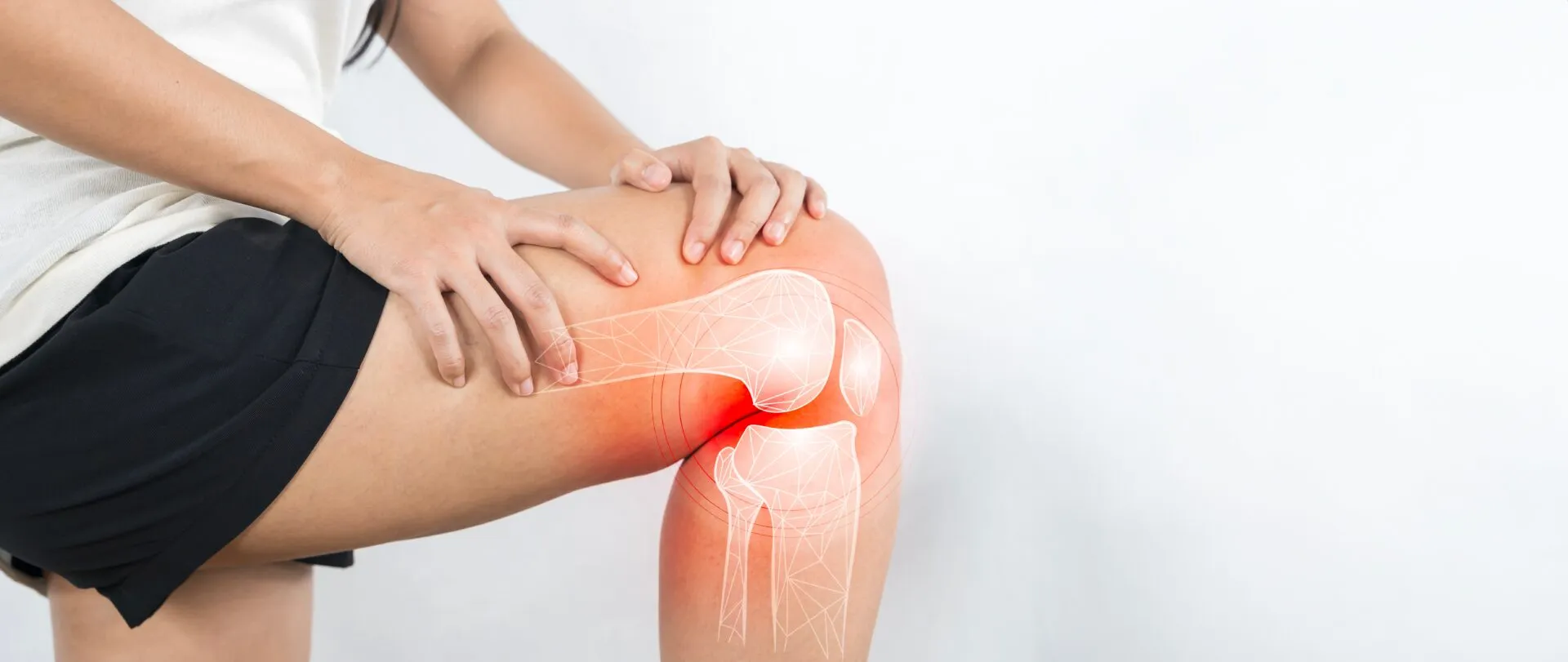
Tendon pain often lasts longer than expected. What begins as mild discomfort after a tennis match, a long run, a weekend of yard work, or repetitive activity at work can gradually become a daily frustration. Lifting a bag, climbing stairs, reaching overhead, or gripping a tool may become uncomfortable long after the activity that triggered the problem.
Tendon injuries are among the most common musculoskeletal conditions affecting athletes and active adults. While rest may provide temporary relief, symptoms often return when normal activities resume.
As interest grows in non-invasive treatment options, many clinicians are exploring laser therapy for tendonitis. Research suggests that photobiomodulation, also known as low level laser therapy, may help reduce pain, support tissue repair, and complement rehabilitation programs for a range of tendon conditions.
This article explores how tendon injuries develop, why they can be slow to heal, and what the evidence says about laser therapy for tendonitis, from tennis elbow to Achilles pain.
What Is Tendonitis and Tendinopathy?
Tendons are strong bands of connective tissue that connect muscles to bones. They help transfer force that allows the body to move during activities such as walking, lifting, throwing, jumping, and reaching.
The term “tendonitis” traditionally refers to inflammation of a tendon. However, many chronic tendon injuries involve more than inflammation alone. In these cases, the tendon undergoes structural changes and degeneration over time. This type of tendon disorder is often referred to as tendinopathy.
Because tendonitis remains the more familiar term, it is often used to describe tendon pain. Common symptoms include:
- Pain during activity
- Tenderness around the affected tendon
- Stiffness, especially after rest
- Reduced strength or function
- Discomfort that worsens with repetitive use
Common examples include tennis elbow, golfer’s elbow, Achilles tendonitis, rotator cuff tendinopathy, wrist tendon injuries, and patellar tendon pain around the knee.
Why Tendons Heal Slowly
Tendon injuries can be frustrating because recovery often takes time. Unlike muscles, tendons have a relatively limited blood supply, which can slow the delivery of oxygen and nutrients needed for healing.
Recovery may take even longer when a tendon continues to be stressed before it has fully healed. Repeated overloading can aggravate the injured tissue and make symptoms more persistent.
As a result, effective tendon rehabilitation often involves more than rest alone. Managing tendon load and gradually rebuilding strength are typically important parts of the recovery process.
How Laser Therapy for Tendonitis Works
Laser therapy uses specific wavelengths of light to deliver energy to tissue beneath the skin. This process, known as photobiomodulation, is thought to support the cellular activity involved in tissue repair and recovery.
For tendon injuries, the goal is to help reduce pain and inflammation while supporting the body’s natural healing processes. Because treatments are non-invasive and require no downtime, many clinicians fold laser therapy into rehabilitation programs alongside exercise and activity modification. Low-level lasers such as the Erchonia FX 635 are designed to deliver these targeted wavelengths of light.
A growing body of research has been promising for certain tendon disorders. A February 2026 meta-analysis of 12 randomized controlled trials found that both high-intensity and low-level laser therapy significantly improved pain, grip strength, and function in people with tennis elbow, with low-level laser therapy showing the most consistent pain relief. Results still vary between studies, but these findings suggest laser therapy may be a useful addition to a comprehensive tendon rehabilitation program.
While results vary, these findings suggest laser therapy may be a useful addition to comprehensive tendon rehabilitation.
Tennis Elbow and Golfer’s Elbow
Tennis elbow and golfer’s elbow are common overuse injuries affecting the tendons around the elbow. Tennis elbow involves the tendons on the outside of the elbow, while golfer’s elbow affects those on the inside.
These conditions can develop from repetitive gripping, lifting, typing, tool use, or sports activities. Common symptoms include pain around the elbow, tenderness, reduced grip strength, and discomfort during everyday tasks.
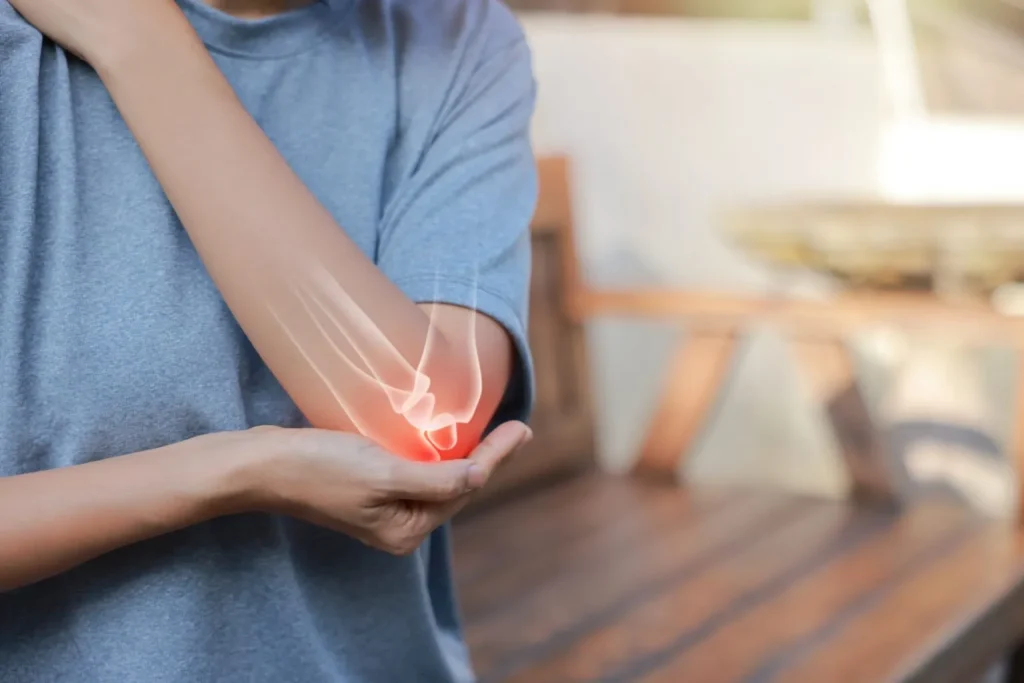
Tennis elbow is one of the most studied tendon conditions in laser therapy research. Studies have shown encouraging results, particularly when laser therapy is applied directly to the tendon attachment site. By helping reduce pain, laser therapy may also make it easier for patients to participate in rehabilitation exercises that support recovery.
Achilles Tendonitis
The Achilles tendon is subjected to significant stress during walking, running, jumping, and climbing. Repeated overloading can lead to pain, stiffness, and difficulty with activity, often worsening after periods of rest or during the first steps of the day.
Achilles tendon problems are common among runners, active adults, and individuals whose work requires prolonged standing or walking.
Because recovery can be slow, clinicians often combine laser therapy with progressive loading exercises and other rehabilitation strategies. Laser therapy may help manage pain and support recovery, but it is generally used alongside exercise-based care rather than as a replacement for it.

Rotator Cuff Tendinopathy
The rotator cuff helps stabilize and move the shoulder. Repetitive overhead movements, sports participation, occupational demands, and age-related changes can all contribute to tendon irritation in this area.
Symptoms often include shoulder pain, weakness, reduced mobility, and discomfort when reaching overhead or lying on the affected side.
Because restoring shoulder function requires movement and strengthening, rehabilitation is typically exercise-focused. Laser therapy may help reduce pain that interferes with these recovery efforts.
Wrist and Forearm Tendon Injuries
The tendons of the wrist and forearm play an essential role in hand and finger movement. Repetitive activities such as typing, tool use, lifting, and racquet sports can place significant stress on these tissues.
Symptoms may include pain, tenderness, and discomfort during gripping or repetitive hand movements. In some cases, tendon pain may occur alongside nerve-related conditions, making an accurate diagnosis important for effective treatment.
Patellar Tendinopathy
Patellar tendinopathy, often called jumper’s knee, affects the tendon connecting the kneecap to the shinbone. It commonly develops in sports that involve frequent jumping, sprinting, or rapid changes in direction.
People with patellar tendinopathy may experience pain below the kneecap, discomfort during squatting, and difficulty with jumping or landing activities.
Treatment typically focuses on load management and progressive strengthening. Laser therapy may be used as part of a broader rehabilitation plan to help manage symptoms and support recovery.
Weekend Athlete Tip
Tendon injuries aren’t limited to competitive athletes. A long tennis match, a weekend of gardening, a home improvement project, or a sudden return to exercise can overload tendons and trigger pain. Early intervention and appropriate load management may help prevent a short-term irritation from becoming a chronic tendon problem.
Why Laser Therapy Works Best Alongside Exercise and Load Management
One of the biggest misconceptions about tendon treatment is the idea that a single intervention can solve the problem on its own.In reality, tendons respond to appropriate loading.
For this reason, clinicians frequently combine laser therapy with:
- Activity modification
- Progressive strengthening
- Eccentric exercise programs
- Mobility work
- Gradual return-to-sport protocols
Laser therapy may help create a more comfortable environment for rehabilitation, but rebuilding tendon capacity usually requires movement-based treatment as well. This integrated approach, which is also common in chiropractic and rehabilitation care, aligns most closely with current tendon rehabilitation principles.
When Laser Therapy for Tendonitis May Be Most Helpful
Laser therapy may be worth considering for individuals who:
- Have persistent tendon pain despite rest
- Need support during a rehabilitation program
- Want a non-invasive treatment option
- Are recovering from overuse injuries
- Are looking to reduce pain while maintaining activity under professional guidance
As with any treatment, outcomes vary depending on the individual, the condition being treated, and the overall rehabilitation plan.
Laser Therapy for Tendonitis: Supporting Recovery and Rehabilitation
Tendon injuries often take time to heal, especially when they result from repetitive overuse. Whether the problem affects the elbow, Achilles tendon, shoulder, wrist, or knee, recovery usually involves a combination of appropriate loading, strengthening, and activity modification.
Research suggests that laser therapy may help reduce pain and support recovery in certain tendon disorders. Used alongside a structured rehabilitation program, it can be a valuable addition to comprehensive tendon care.
Before starting, many patients also want to understand the costs of laser therapy and whether it fits their situation. When you are ready to take the next step, you can find a provider near you to discuss whether laser therapy is right for your tendon injury.
Frequently Asked Questions
- Does laser therapy help tendonitis?
Yes. Research suggests laser therapy may help reduce pain and improve function in some tendon disorders, especially when combined with a rehabilitation program.
- Is laser therapy effective for tennis elbow?
Yes. Research has found that low level laser therapy can reduce pain and improve function in people with tennis elbow, particularly when appropriate treatment parameters are used.
- Can laser therapy help Achilles tendonitis?
Laser therapy may help support pain management and recovery in Achilles tendon injuries when combined with progressive exercise and load management strategies.
- How long does it take for laser therapy to work on tendonitis?
Response times vary. Some patients notice improvement within several treatment sessions, while chronic tendon conditions may require a longer treatment course.
- Does laser therapy replace physical therapy?
No. Laser therapy is typically used alongside exercise, strengthening, and activity modification as part of a comprehensive rehabilitation plan.


