|

New to cold laser therapy? Learn what a session feels like, how long appointments take, how many sessions most treatment plans involve, and how to prepare.
If you have been researching treatment options for pain, inflammation, or another chronic condition, you have probably come across cold laser therapy. And if you are considering it, you likely have questions: what does a session feel like, how long does it take to work, and how many appointments will you need?
Those questions are completely normal. Trying any new treatment can feel uncertain at first. The good news is that a first cold laser therapy treatment is usually far simpler than most people expect.
Low-level laser therapy (LLLT), also called cold laser therapy, is a non-invasive treatment that uses specific wavelengths of light to support normal cellular function without cutting tissue or generating damaging heat. Sessions are typically quick and comfortable, with no recovery period required afterward.
This guide walks you through the process from arrival to follow-up so you know exactly what to expect during your first appointment.
Before Your First Laser Therapy Appointment
Your first laser therapy appointment usually begins with a consultation to better understand your symptoms, medical history, and treatment goals. Preparation is minimal, but arriving a few minutes early can help ensure enough time for paperwork and an initial discussion with your provider.
During this evaluation, your provider may ask about:
- Where you notice your symptoms
- How long you have been experiencing them
- Previous treatments you have tried
- Your current medications
- Your activity level
- Any recent injuries or procedures
- Factors that improve or worsen your symptoms
This conversation helps your provider determine whether laser therapy may be appropriate for your condition and establish a baseline for tracking your progress over time. It also allows them to develop a treatment plan tailored to your individual needs.
In many cases, treatment can begin during the same appointment.
What Happens During a Laser Therapy Session?
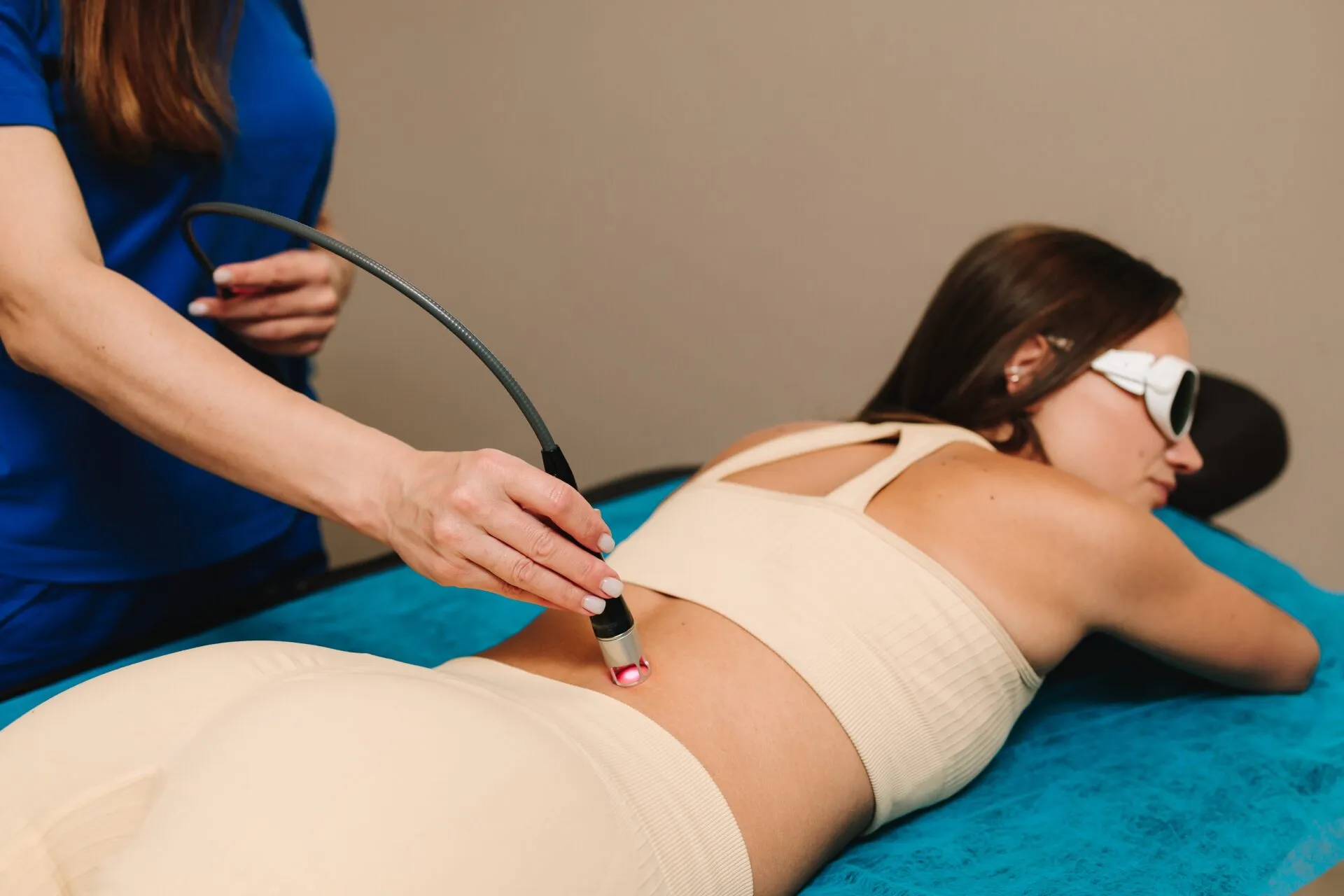
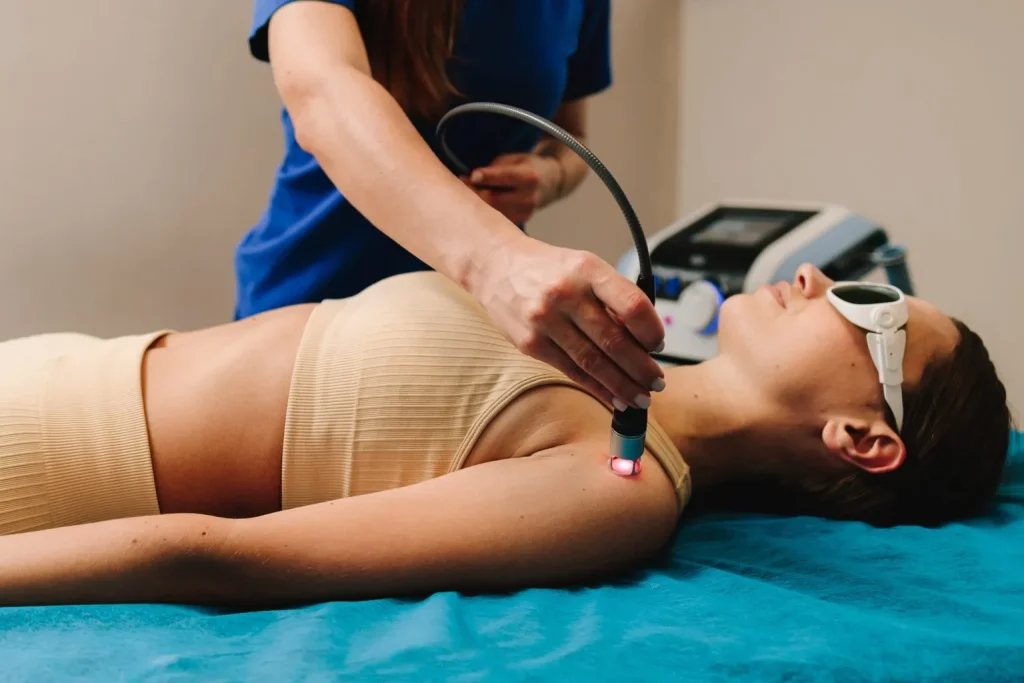
Once treatment begins, you will be positioned comfortably, either seated in a chair or resting on a treatment table, while the laser is directed to the treatment area. Unlike surgical lasers, cold laser therapy does not cut tissue or produce significant heat. It delivers specific wavelengths of light to targeted areas without damaging the skin or surrounding tissue. This works because the light interacts with your cells at a low intensity rather than through heat.
One of the most common questions patients ask is whether laser therapy hurts. For most people, the experience is surprisingly uneventful. Erchonia notes that many patients feel nothing during treatment, while some report a mild tingling sensation. Burning, stinging, and significant discomfort are not typically associated with the procedure.
Because laser light is involved, you will usually wear protective eyewear throughout the session. This is a standard laser safety precaution that protects the eyes from direct exposure.
The treatment itself is passive and non-invasive. There are no needles, injections, medications, or manual manipulations involved. The laser is positioned according to the treatment protocol while you relax during the session.
For many patients, the most surprising part of the experience is how straightforward it feels. The treatment is quiet, comfortable, and often far less eventful than they expected.
How Long Does a Laser Therapy Session Take?
Appointment length varies depending on the condition being treated and the protocol your provider selects.
The actual laser treatment is often relatively short, with many sessions lasting 10-20 minutes. For example, Erchonia’s FDA-cleared plantar fasciitis protocol consisted of 10-minute treatment sessions delivered twice weekly over 3 weeks.
Some conditions may require longer sessions. In studies involving chronic low back pain, treatments were commonly administered for approximately 20 minutes.
In addition to the laser treatment itself, your appointment may include time for evaluation, progress monitoring, and discussion of your treatment plan. As a result, the total visit may be longer than the treatment session alone.
How Many Laser Therapy Sessions Are Needed?
One of the most common questions patients ask is how many laser therapy sessions they will need. The answer varies because treatment plans are based on factors such as the condition being treated, the severity and duration of symptoms, individual response to treatment, and overall care goals.
Rather than being a one-time intervention, laser therapy is often delivered as a series of treatments over a defined period. Published clinical studies involving Erchonia devices commonly use multiple sessions spread across several weeks.
For example:
- In Erchonia’s FX 635 clinical study for chronic plantar fasciitis, participants received six treatment sessions over three weeks.
- Published protocols for chronic low back pain have commonly involved eight sessions over four weeks.
- Certain FDA-cleared nail fungus treatment protocols have utilized four treatment sessions.
These examples provide a useful reference point, but your provider may recommend a different schedule based on your specific needs and progress. Some conditions may require only a few visits, while others may benefit from a longer treatment plan.
The most important factor is consistency. Following the recommended schedule allows your provider to evaluate your response and gives the treatment protocol the best opportunity to achieve its intended results.
How Long Does Laser Therapy Take to Work?
One of the most common questions patients ask is when they can expect to notice results. The answer varies because every condition and individual responds differently. Factors such as symptom severity, duration of the condition, overall health, and adherence to the recommended treatment schedule can all influence the timeline.
Some patients notice improvements early in their treatment plan, while others experience more gradual changes over several weeks. Clinical research suggests that meaningful results often occur over the course of multiple sessions rather than after a single appointment.
For example, in Erchonia’s FX 635 clinical study for chronic plantar fasciitis, participants completed six treatment sessions over three weeks. By the end of the protocol, patients receiving active laser treatment achieved an average pain reduction of approximately 50%.
Results vary from person to person, but the goal is steady progress across the plan. For a closer look at the science behind these effects, see our guide on how laser therapy works for pain.
What Does Laser Therapy Feel Like After The Session?
One reason many patients appreciate laser therapy is that there is typically no downtime after treatment. Because the therapy is non-invasive and does not damage tissue, most people can return to their normal activities immediately after their appointment.
There are generally no bandages, stitches, recovery periods, or restrictions on daily activities. Depending on your condition, your provider may recommend continuing other aspects of your care plan, such as exercise, stretching, physical therapy, or lifestyle modifications.
Some patients notice changes in their symptoms shortly after treatment, while others experience more gradual improvements over the course of their treatment plan. Both responses can be normal and may vary depending on the condition being treated.
Laser Therapy Aftercare and Follow-Up
Aftercare following laser therapy is typically simple. Most patients can return to their normal daily activities immediately after treatment while continuing any broader care plan recommended by their provider.
Common recommendations include:
- Following any provider-specific instructions
- Attending scheduled follow-up appointments
- Continuing prescribed exercises or rehabilitation programs
- Monitoring symptom changes between visits
- Staying consistent with the recommended treatment schedule
Consistency is particularly important, as many laser therapy protocols are designed around a series of treatments. Attending appointments as scheduled helps your provider track progress and evaluate your response to treatment over time.
Preparing for Your First Cold Laser Therapy Treatment
If you’re preparing for your first cold laser therapy treatment, a few simple steps can help your appointment go smoothly and ensure your provider has the information needed to plan your care.
Here’s a quick checklist:
- Wear comfortable clothing that allows easy access to the treatment area
- Arrive a few minutes early to complete any necessary paperwork
- Bring relevant medical information or a list of current medications if requested
- Be prepared to discuss your symptoms, medical history, and treatment goals
- Follow any instructions provided by your healthcare professional
- Plan to attend recommended follow-up appointments
Most importantly, come with questions. Understanding your treatment plan can help you feel more informed and confident throughout the process.
Your First Laser Therapy Session: Key Takeaways
For many patients, a first cold laser therapy appointment is far less intimidating than expected. Treatment is typically non-invasive, comfortable, and requires little disruption to daily life. Most people feel little to nothing during a session, appointments are often over in minutes, and there is generally no downtime afterward.
Treatment plans vary by condition, but laser therapy is usually delivered as a series of sessions over several weeks, with improvements becoming more noticeable as treatment progresses. Knowing what to expect can make that first appointment feel a lot easier.
To learn more about the science behind the treatment, explore our guide on how laser therapy works for pain. For details on treatment costs and insurance considerations, see our article on understanding the costs of laser therapy. And when you are ready to take the next step, you can find a provider near you to discuss whether cold laser therapy is right for your condition.
Frequently Asked Questions
- Does laser therapy hurt? Most patients feel little to nothing during treatment. Some report a mild tingling sensation.
- How long does a laser therapy session take? Many sessions last 10-20 minutes, depending on the treatment protocol.
- How many laser therapy sessions are needed? Treatment plans vary, but many protocols involve multiple sessions over several weeks.
- How long does laser therapy take to work? Results vary by condition and individual, though improvements are often noticed over the course of a treatment plan.
- Do I need downtime after laser therapy? No. Most patients can return to normal activities immediately after treatment.


