|

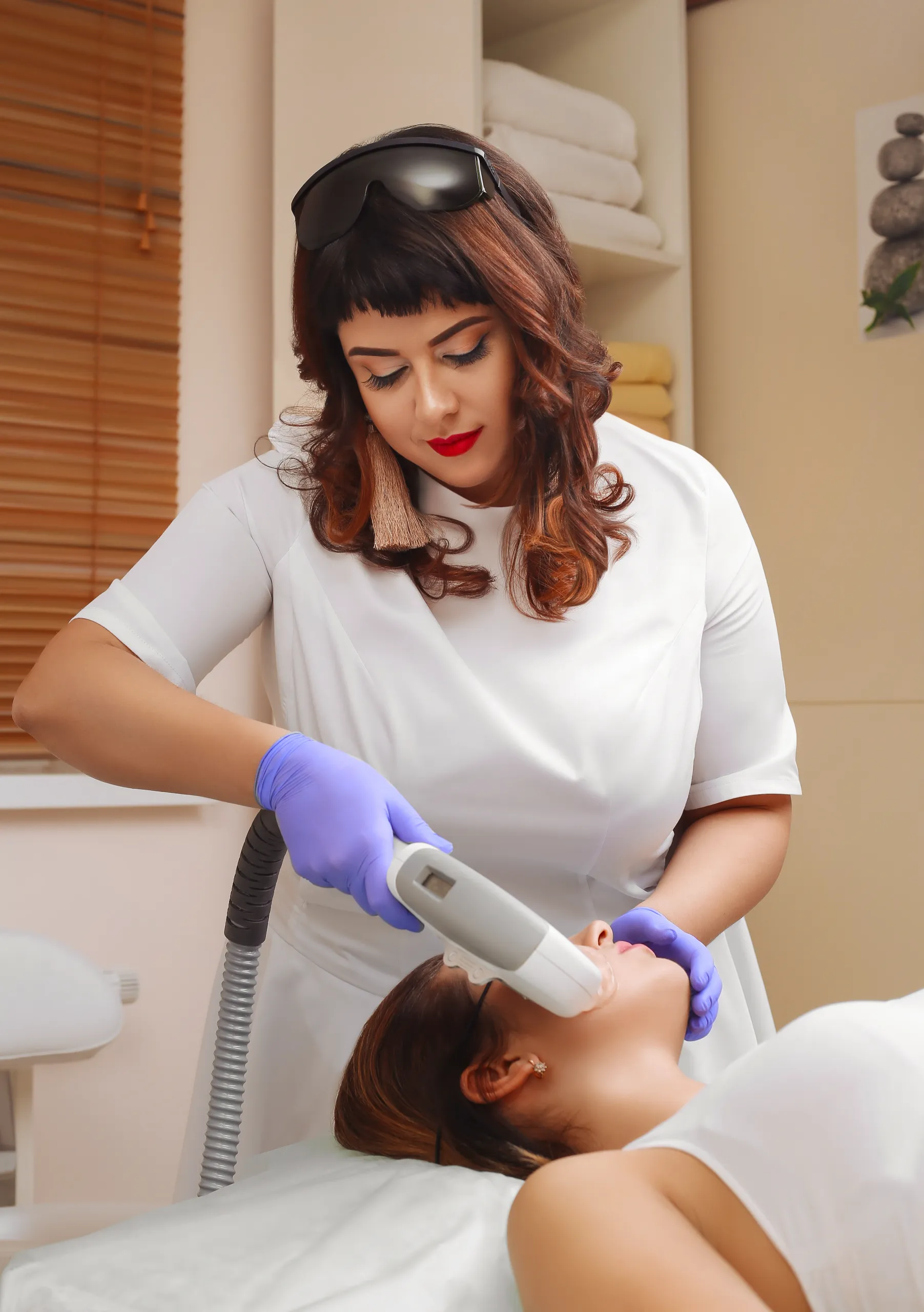
Jaw pain can make everyday activities like eating, speaking, and yawning uncomfortable. If you’ve noticed jaw clicking, stiffness, headaches, ear pain, or difficulty opening your mouth, you may be experiencing a temporomandibular disorder (TMD). These conditions are among the most common causes of chronic jaw pain, yet many people go untreated.
Fortunately, surgery is rarely the first option. Conservative treatments such as laser therapy for TMJ are gaining attention for their potential to help reduce pain and inflammation without medication or invasive procedures. Also known as photobiomodulation (PBM) or low-level laser therapy (LLLT), this approach has shown promising results in improving jaw function and relieving TMD symptoms.
This article explains what TMD is, how laser therapy works, what current research says, and what patients and healthcare providers can expect from treatment.
What Is Temporomandibular Disorder (TMD)?
Temporomandibular disorder (TMD) refers to a group of conditions affecting the temporomandibular joints (TMJs), the muscles that control jaw movement, or both. The TMJs connect your lower jaw to your skull, allowing you to chew, speak, yawn, and swallow. When these joints or surrounding muscles become irritated or dysfunctional, everyday activities can become painful or difficult.
TMD is common, with studies suggesting that up to 75% of adults show at least one sign of temporomandibular dysfunction during their lifetime, although not everyone experiences pain or requires treatment.
TMD generally falls into two categories:
Muscle-Related TMD
Muscle-related TMD affects the muscles responsible for chewing and jaw movement. It is often linked to stress, jaw clenching, or teeth grinding (bruxism).
Common symptoms include:
- Jaw muscle soreness
- Jaw fatigue
- Facial tenderness
- Muscle tightness
- Tension headaches
Joint-Related TMD
Joint-related TMD affects the temporomandibular joint itself and may result from inflammation, arthritis, or problems with the cushioning disc inside the joint.
Symptoms commonly include:
- Jaw clicking or popping
- Locking of the jaw
- Pain around the joint
- Grinding sensations during movement
- Difficulty opening the mouth fully
Many people experience a combination of muscle and joint symptoms. Other common signs include:
- Pain while chewing
- Referred ear pain, ringing (tinnitus), or a feeling of fullness in the ears without an active ear infection
- Headaches
- Facial pain
- Neck discomfort
Because the muscles of the jaw, face and neck work closely together, TMD can also contribute to pain and stiffness in the neck and shoulders.
What Is Laser Therapy for TMJ?
Laser therapy for TMJ uses specific wavelengths of low-intensity light to stimulate natural healing processes inside tissues. Unlike surgical lasers, therapeutic lasers do not cut or burn tissue.
Instead, photobiomodulation for temporomandibular disorders delivers low-level light energy that cells absorb, triggering biological responses that may help reduce pain and support tissue repair. The lasers used for this purpose are non-thermal, so they do not heat the joint or the skin over it. Learn more about how laser therapy works for pain.
Laser therapy is:
- Non-invasive
- Drug-free
- Painless
- Typically completed in minutes
- Needle-free
How Photobiomodulation Helps TMD
Research suggests that photobiomodulation may help relieve TMD by supporting the body’s natural healing processes and addressing both muscle pain and joint inflammation. It may work in several ways:
1. Reduces inflammation: PBM may help decrease inflammation within the temporomandibular joint, easing pain and swelling.
2. Relaxes overactive jaw muscles: It may reduce muscle tension and sensitivity, helping relieve jaw soreness, fatigue, and discomfort caused by clenching or overuse.
3. Supports tissue repair: By supporting cellular energy (ATP) production, it may help damaged muscles and joint tissues recover more efficiently.
4. Improves circulation: Better blood flow delivers oxygen and nutrients to affected tissues while helping remove inflammatory byproducts.
5. Modulates pain signals: PBM may influence how pain signals are processed, which may contribute to pain relief and improved jaw function.
By targeting both the muscles and joints involved in TMD, photobiomodulation may help improve jaw function and reduce TMD symptoms.
What Does the Research Say?
Growing clinical evidence supports laser therapy for TMJ as a conservative treatment for temporomandibular disorders. Over the past decade, systematic reviews, meta-analyses, and randomized controlled trials have generally found that photobiomodulation (PBM) or low-level laser therapy (LLLT) can reduce pain and improve jaw function in people with TMD.
Multiple meta-analyses have found that patients receiving laser therapy experience improved maximum mouth opening, reduced tenderness in the chewing muscles, and better overall jaw function and quality of life, and most, though not all, report meaningful reductions in pain. A 2015 meta-analysis of 14 randomized trials, for example, found that LLLT was not significantly better than placebo for chronic TMD pain, yet it significantly improved functional outcomes such as maximum mouth opening and jaw movement. More recent reviews and trials have reported pain benefits as well, and a 2024 systematic review and meta-analysis of 12 randomized trials found that LLLT provided relatively more effective pain relief and improvement in mouth opening than TENS or therapeutic ultrasound. While treatment protocols vary between studies in terms of laser wavelength, dosage, and treatment frequency, which likely explains much of the inconsistency, the overall evidence supports photobiomodulation as a safe, non-invasive option that may help manage TMD.
More recently, a 2025 randomized clinical trial of 42 patients compared photobiomodulation with a conventional medication regimen (a combination of acetaminophen, caffeine, and ibuprofen) for TMD. By Day 28, patients treated with laser therapy reported greater pain relief and improved maximum mouth opening than those receiving medication, and they had less joint clicking and tenderness at every follow-up. These findings suggest that photobiomodulation may offer more effective symptom relief while avoiding the potential side effects associated with prolonged use of pain relievers and anti-inflammatory medications, although the trial was small and single-blind, and the authors called for standardized laser protocols.
Laser Therapy Compared With Other TMJ Treatments
Treatment for temporomandibular disorders usually begins with conservative, non-invasive approaches before more invasive options are considered. The right treatment depends on the underlying cause and severity of the condition.
| Treatment | Primary Goal | Key Considerations |
| Night guards | Reduce teeth grinding and jaw clenching | Commonly recommended for bruxism but do not directly treat joint inflammation or muscle pain. |
| Physical therapy | Improve jaw mobility and muscle function | Helps restore movement and reduce muscle tension through targeted exercises. |
| Medications | Provide temporary pain and inflammation relief | Can help manage symptoms but may cause side effects with prolonged use. |
| TENS and therapeutic ultrasound | Modulate pain signals (TENS) or warm and loosen tissue (ultrasound) | Widely available in physical therapy settings. In a 2024 meta-analysis, low-level laser therapy provided more pain relief than TENS and at least comparable relief to ultrasound. See our comparison of laser therapy vs. ultrasound and TENS. |
| Injections | Relieve severe or persistent pain | Typically reserved for selected cases when conservative treatments are insufficient. |
| Laser therapy | Reduce pain and inflammation while supporting tissue healing | A non-invasive, drug-free option that may improve jaw function and is often used alongside other conservative treatments. |
Rather than replacing other therapies, laser therapy is often integrated into a comprehensive treatment plan that may include night guards, physical therapy, jaw exercises, and patient education. This multimodal approach allows clinicians to address both the symptoms and underlying causes of TMD while tailoring care to each patient’s needs.
What to Expect from Laser Therapy for TMJ
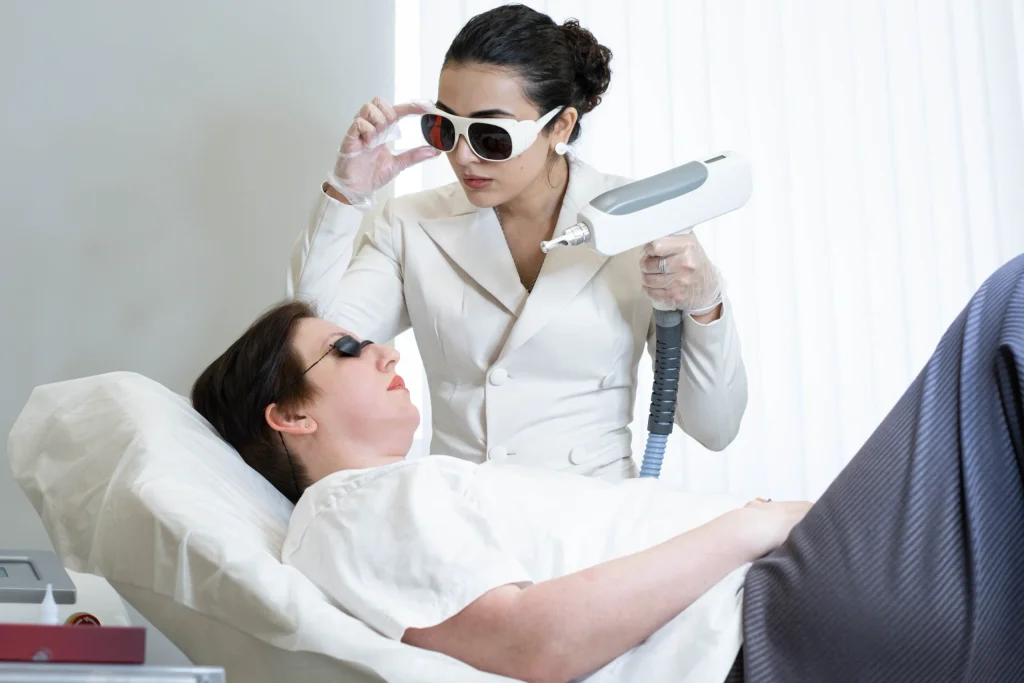
Laser therapy is a quick, non-invasive treatment that can be easily incorporated into a comprehensive TMD care plan. During each session, the clinician positions the laser over the affected jaw muscles and temporomandibular joint while you wear protective eyewear. The treatment is painless, requires no anesthesia or downtime, and most sessions are completed within 5 to 15 minutes. If it is your first visit, here is what to expect at a first laser therapy session.
The number of sessions varies depending on the severity of your symptoms and your treatment goals. While some patients notice improvement after the first few sessions, most treatment plans involve a series of appointments over several weeks to achieve lasting pain relief and improved jaw function.
For healthcare providers, including dentists, chiropractors, and physical therapists, photobiomodulation can complement existing TMD management strategies such as night guards, therapeutic exercises, and patient education. It can also be integrated into broader dental care, including reducing pain and inflammation after dental procedures and enhancing patient comfort during routine dental cleanings. Because it is non-invasive and drug-free, it offers another conservative option for addressing both muscle pain and joint inflammation as part of a multidisciplinary approach.
For Providers: Adding Laser Therapy to TMD Care
Handheld, non-thermal Class 2 lasers are the practical fit for TMD because the joint and the chewing muscles sit close to the surface and the treatment area is small. The Erchonia EVRL laser, a handheld that pairs a 635 nm red diode with a 405 nm violet diode, is FDA cleared for adjunctive use in providing temporary relief of minor chronic neck and shoulder pain of musculoskeletal origin; other handheld options include the GVL laser and the cordless XLR8 laser, each with its own cleared indications listed on its product page. None of these carries a TMJ-specific clearance today, so providers should describe TMD use in terms of the published research rather than a device indication. Erchonia has registered a double-blind, placebo-controlled clinical trial evaluating the EVRL for chronic jaw pain arising from TMJ disorders (ClinicalTrials.gov NCT07600203); results are pending. The registered protocol applies the laser for 16 minutes per session, 8 minutes per side, which fits inside a hygiene visit, a chiropractic adjustment, or a physical therapy appointment. Practices evaluating equipment can review how to choose a low-level laser therapy device and the benefits of implementing laser therapy in your practice, or contact Erchonia for training and pricing.
Conclusion
Temporomandibular disorders can make everyday activities such as eating, speaking, and yawning uncomfortable, but surgery is rarely the first treatment option. Growing clinical evidence suggests that laser therapy for TMJ may help reduce pain, improve mouth opening, and support recovery by addressing both muscle pain and joint inflammation.
Whether used alone or alongside treatments such as night guards and physical therapy, photobiomodulation offers a non-invasive, research-supported approach to managing TMD symptoms and improving jaw function. To find a clinic using Erchonia lasers, use the provider search.
Because TMD has multiple causes, a healthcare professional should evaluate your symptoms and recommend the most appropriate treatment plan for your condition.
Frequently Asked Questions
1. Does laser therapy help TMJ pain?
Studies suggest it can for many patients. Clinical studies and meta-analyses report that laser therapy can reduce pain, improve mouth opening, and enhance jaw function by reducing inflammation and relaxing overactive jaw muscles, though results vary with the device settings used and the type of TMD.
2. Is cold laser therapy for TMJ painful?
No. Laser therapy is painless and non-invasive. Most patients feel little or no sensation during treatment, and no anesthesia is required.
3. How many laser therapy sessions are needed?
The number of sessions varies depending on the severity of the condition and individual treatment goals. Many patients undergo a series of treatments over several weeks for the best results.
4. Can laser therapy be combined with other TMJ treatments?
Yes. Laser therapy is often used alongside treatments such as night guards, physical therapy, jaw exercises, and patient education as part of a comprehensive TMD management plan. It also pairs with chiropractic care for patients whose jaw pain travels into the neck and shoulders.
5. Is laser therapy a cure for TMJ disorder?
Laser therapy is designed to reduce pain, inflammation, and functional limitations associated with TMD. While it can provide significant symptom relief, it is typically one part of a personalized treatment plan rather than a standalone cure.
Q6. Which providers offer laser therapy for TMJ?
Dentists, orofacial pain specialists, chiropractors, and physical therapists who treat TMD may offer it, often alongside night guards or jaw exercises. Use the Erchonia provider search to find a clinic near you.
Q7. Is laser therapy for TMJ FDA cleared?
Low-level laser devices are cleared by the FDA for specific indications, such as adjunctive relief of minor chronic neck and shoulder pain. Whether a device carries a TMJ-specific indication varies, so ask your provider which device they use. Clinical use for TMD is supported by published research, and a placebo-controlled trial of an Erchonia handheld laser for TMJ jaw pain is currently registered.


