|

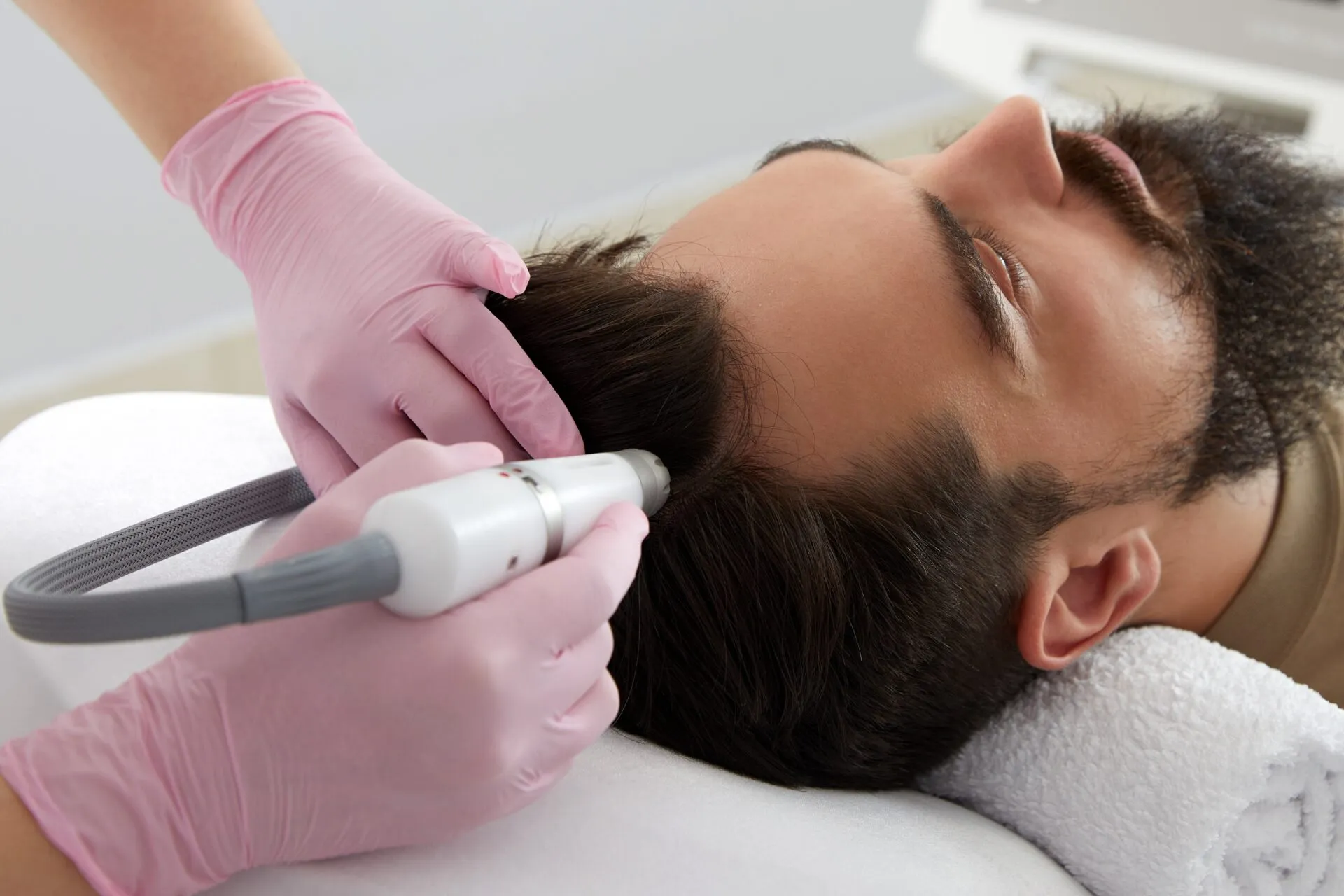
Hair loss affects millions of people worldwide and can impact confidence, appearance, and overall well-being. Conditions such as androgenetic alopecia, aging, hormonal changes, stress, and certain medical issues can gradually weaken hair follicles and reduce hair growth over time.
As interest in non-invasive treatment options grows, laser therapy for hair loss has gained attention as a modern approach to supporting hair regrowth. Also known as low-level laser therapy (LLLT), this treatment uses specific wavelengths of light to stimulate hair follicles and improve scalp health.
Today, FDA-cleared laser caps and combs are increasingly used in both clinics and home-based hair restoration programs.
Understanding Hair Loss and Follicle Miniaturisation
Hair growth occurs in natural cycles, but in conditions such as androgenetic alopecia, hair follicles gradually shrink over time in a process called follicle miniaturisation. As follicles become smaller, they produce thinner, weaker, and shorter hair strands.
The growth phase of the hair cycle, known as the anagen phase, also becomes shorter, while shedding increases. This eventually leads to visible scalp thinning and reduced hair density. In more advanced stages, some follicles may become inactive and stop producing hair completely.
Modern hair restoration treatments aim to slow this progression, support scalp health, and stimulate weakened follicles before permanent hair loss occurs.
What Is Laser Therapy for Hair Loss?
Low-level laser therapy (LLLT), also known as cold laser therapy or photobiomodulation, uses red or near-infrared light to stimulate hair follicles and support hair regrowth.
Unlike surgical or hair removal lasers, LLLT does not damage tissue or generate significant heat. Instead, low-energy light is absorbed by scalp cells to encourage cellular activity, improve follicle function, and support healthier hair growth.
This non-invasive approach is commonly used in laser caps, combs, and clinical devices for managing thinning hair and androgenetic alopecia.
How Low-Level Laser Therapy Stimulates Hair Growth
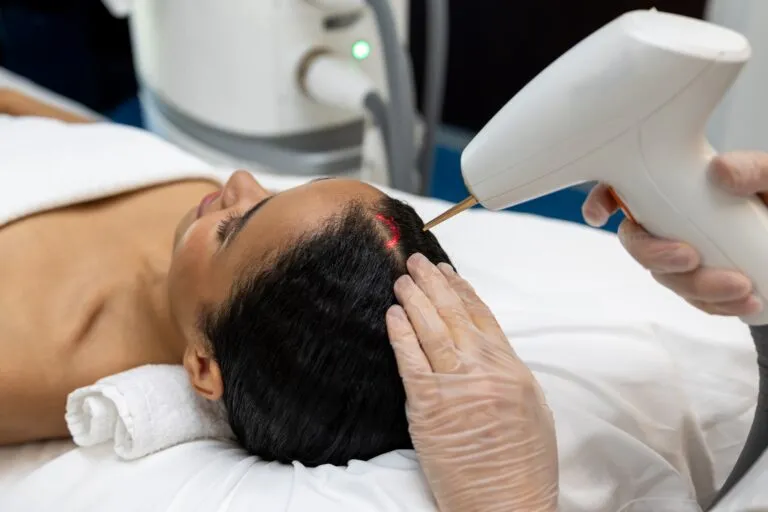
Low-level laser alopecia treatment uses red or near-infrared light delivered to the scalp. The light is absorbed by follicle cells, especially mitochondria, where it influences cellular activity linked to hair growth and repair. This process, known as photobiomodulation, helps improve follicle function without damaging tissue and supports healthier, more active hair growth over time.
Increased Cellular Energy (ATP Production)
Laser light stimulates mitochondrial activity, increasing ATP production, the energy source for cellular function. Research on photobiomodulation suggests that this energy boost helps dormant follicles shift more effectively from the resting (telogen) phase into the active growth (anagen) phase.
Clinical studies on androgenetic alopecia report improved hair density and regrowth in both men and women, likely linked to enhanced follicular energy metabolism.
Improved Blood Flow to the Scalp
LLLT may enhance microcirculation in the scalp, improving oxygen and nutrient delivery to hair follicles. Better vascular support creates a healthier growth environment, which is associated in clinical trials with increased hair shaft thickness and improved overall density after consistent treatment over 12–24 weeks.
Reduced Inflammation Around Follicles
Chronic inflammation contributes to follicle miniaturisation in androgenetic alopecia. Photobiomodulation is thought to regulate inflammatory mediators, helping reduce this stress on follicles.
Evidence from clinical reviews shows that this anti-inflammatory effect may support slower progression of hair thinning and better preservation of existing follicles.
Prolonged Growth (Anagen) Phase
Laser therapy may extend the duration of the anagen phase, allowing follicles to remain in active growth for longer periods. Multiple randomized trials and meta-analyses report that this prolonged growth phase is associated with increased hair density, thicker strands, and reduced shedding over time.
Overall, clinical evidence consistently shows that LLLT improves hair density, thickness, and scalp coverage compared to sham devices. While it is not a cure for advanced baldness, it is a well-supported non-invasive option for early to moderate hair loss.
Who Is Most Likely to Benefit?
LLLT hair regrowth tends to work best for:
- Men and women with early to moderate androgenetic alopecia
- Individuals with thinning rather than complete baldness
- Patients looking for non-drug or non-surgical options
- People using combination therapies (e.g., minoxidil + LLLT)
It is generally less effective in areas where follicles are completely inactive for long periods.
What a Laser Hair Growth Treatment Looks Like
One of the main advantages of LLLT hair regrowth therapy is its simplicity and ease of use.
A typical session involves:
- Wearing a laser cap, helmet, or using a handheld comb
- Exposure to red light at specific wavelengths (usually 630–680 nm)
- Sessions lasting about 10–30 minutes
- Treatment frequency of 3–5 times per week
The process is:
- Painless
- Non-invasive
- Requires no downtime
Patients can read, relax, or continue normal activities during treatment. Several FDA-cleared devices are now available for home use, making access easier.
Consistency is key, as visible results usually develop gradually over a few months rather than weeks.
FDA-Cleared Devices and Home Use of Lasers
Several laser hair growth treatment devices are FDA-cleared for safety and efficacy in androgenetic alopecia. These include laser caps and comb systems designed for home use.
These devices are not instant fixes, but they provide a regulated and standardized way to deliver photobiomodulation to the scalp.
Clinically used laser systems from companies such as Erchonia have also contributed to broader research and application of low-level laser technology in medical and wellness settings.
Safety and Side Effects of Laser Therapy for Hair Loss
Low-level laser therapy is generally considered safe when used correctly. It does not involve heat, chemicals, or invasive procedures.
Reported side effects are rare but may include:
- Mild scalp warmth
- Temporary shedding phase (in early treatment)
- Slight irritation in sensitive users
It is often preferred by individuals who cannot tolerate topical or oral hair loss medications.
Key safety points:
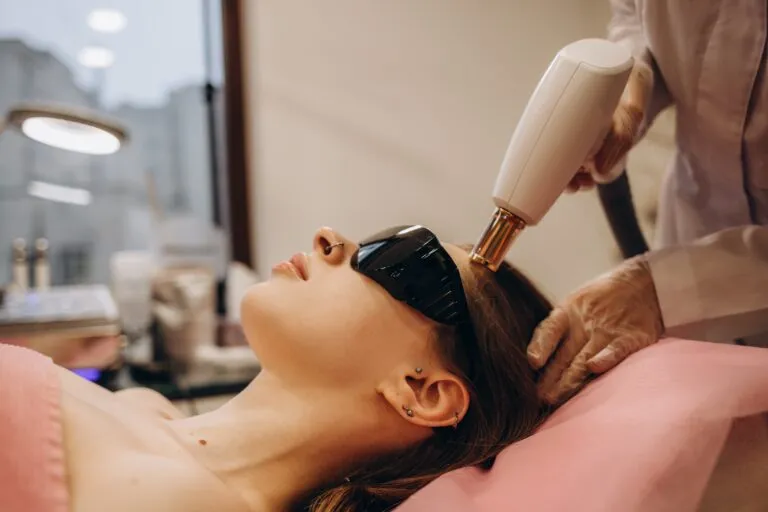
- Avoid direct eye exposure
- Follow device instructions carefully
- Not recommended for untreated scalp infections
- Results depend on consistent use
Expected Results: What You Should Realistically Expect
LLLT is not an instant solution, and it does not work the same for everyone.
Typical outcomes:
- Reduced hair shedding in early weeks
- Gradual increase in hair density after 3–6 months
- Improved hair thickness and texture
- Better results when combined with other therapies (e.g., minoxidil)
However:
- It does not fully restore completely dormant follicles in advanced baldness
- Results require ongoing maintenance
- Genetics still play a major role in long-term outcomes
Myths vs Facts About Laser Hair Therapy
Myth 1: Lasers are only for hair removal
Fact: Low-level lasers use different wavelengths and intensities designed to stimulate, not destroy, hair follicles.
Myth 2: Results are instant
Fact: Hair regrowth takes time. Visible results usually take 12–24 weeks of consistent use.
Myth 3: It works the same for everyone
Fact: Response varies depending on stage of hair loss, genetics, and consistency of use.
Myth 4: It replaces all other treatments
Fact: LLLT is best used as part of a combined hair restoration plan.
Myth: It works only for men
Fact: Women with pattern hair loss can also benefit.
How LLLT Compares With Other Hair Loss Treatments
LLLT is one of several options for androgenetic alopecia, each with a different mechanism and evidence base. The table below summarizes how it compares with the main alternatives.
| Treatment | How it works | Evidence and notes |
| Minoxidil (topical)
| Applied to the scalp to stimulate follicles and prolong the growth phase
| First-line and FDA-approved; effective but requires ongoing use to maintain results
|
| Finasteride (oral)
| Lowers DHT, the hormone that drives pattern hair loss (mainly used in men) | FDA-approved and effective for men; prescription only, with possible side effects |
| Low-level laser therapy (LLLT)
| Red or near-infrared light to stimulate follicles, via caps, combs, or in-clinic devices | Multiple RCTs and meta-analyses show increased hair density vs sham, though trials are short and heterogeneous; best as an adjunct |
| Platelet-rich plasma (PRP) | Injections of growth factors prepared from the patient’s own blood | Promising for some patients; evidence still emerging and protocols vary
|
| Hair transplant surgery
| Surgically relocates follicles into thinning areas | Effective and long-lasting for suitable candidates; invasive and higher cost |
Combining Laser Therapy With Other Hair Loss Treatments
Laser therapy hair loss treatment is most effective when used as part of a combined regimen rather than alone. It helps support follicle activity and improve overall response to other treatments.
Common combinations include:
- Minoxidil (topical stimulation)
- Nutritional support for hair health
- Scalp care and anti-inflammatory shampoos
- Lifestyle and stress management
- PRP or finasteride in selected cases
Overall, LLLT hair regrowth therapy works best as a supportive, long-term maintenance tool.
Conclusion
Laser therapy for hair loss is a growing, evidence-supported option for managing androgenetic alopecia and other forms of thinning hair. By stimulating cellular energy, improving scalp circulation, and supporting follicle activity,
LLLT hair regrowth offers a non-invasive and convenient alternative or complement to standard treatments. It is not a miracle cure, but a practical, science-based tool in modern hair restoration when used consistently with other therapies.
For clinicians and wellness practitioners, technologies developed by Erchonia reflect the wider advancement of photobiomodulation in regenerative health.
To learn more about clinical laser systems or find an Erchonia provider near you, contact Erchonia.
FAQs
Q1. Does low-level laser therapy work for hair loss?
Multiple randomized trials and meta-analyses report that low-level laser therapy (LLLT) can increase hair density in early to moderate androgenetic alopecia compared with sham devices, in both men and women. The evidence has limitations, such as short, often industry-funded studies, so LLLT works best as part of a combined hair restoration plan and suits thinning hair rather than complete baldness.
Q2. How long does it take to see results from laser hair therapy?
Results develop gradually rather than overnight. Reduced shedding may appear within the first few weeks, with increased hair density typically seen after 3 to 6 months of consistent use at around 3 to 5 sessions per week.
Q3. Is low-level laser therapy for hair loss safe?
LLLT is generally considered safe when used correctly because it involves no heat, chemicals, or invasive procedures. Side effects are rare and may include mild scalp warmth, slight irritation, or a temporary shedding phase early in treatment. Direct eye exposure should be avoided.
Q4. Who is the best candidate for laser hair loss treatment?
It works best for men and women with early to moderate androgenetic alopecia who have thinning rather than complete baldness. It also suits people who prefer non-drug options or who combine it with treatments such as minoxidil. A qualified provider can confirm whether you are a good candidate.
Q5. Can women use laser therapy for hair loss?
Yes. Women with pattern hair loss can benefit from low-level laser therapy, just as men can. Response varies with the stage of hair loss, genetics, and consistency of use.
Q6. How is low-level laser therapy different from laser hair removal?
They are not the same. Hair removal lasers use higher-energy wavelengths designed to damage and disable follicles, while low-level laser therapy uses gentle red or near-infrared light to stimulate follicles and support regrowth without heat or tissue damage.


