|

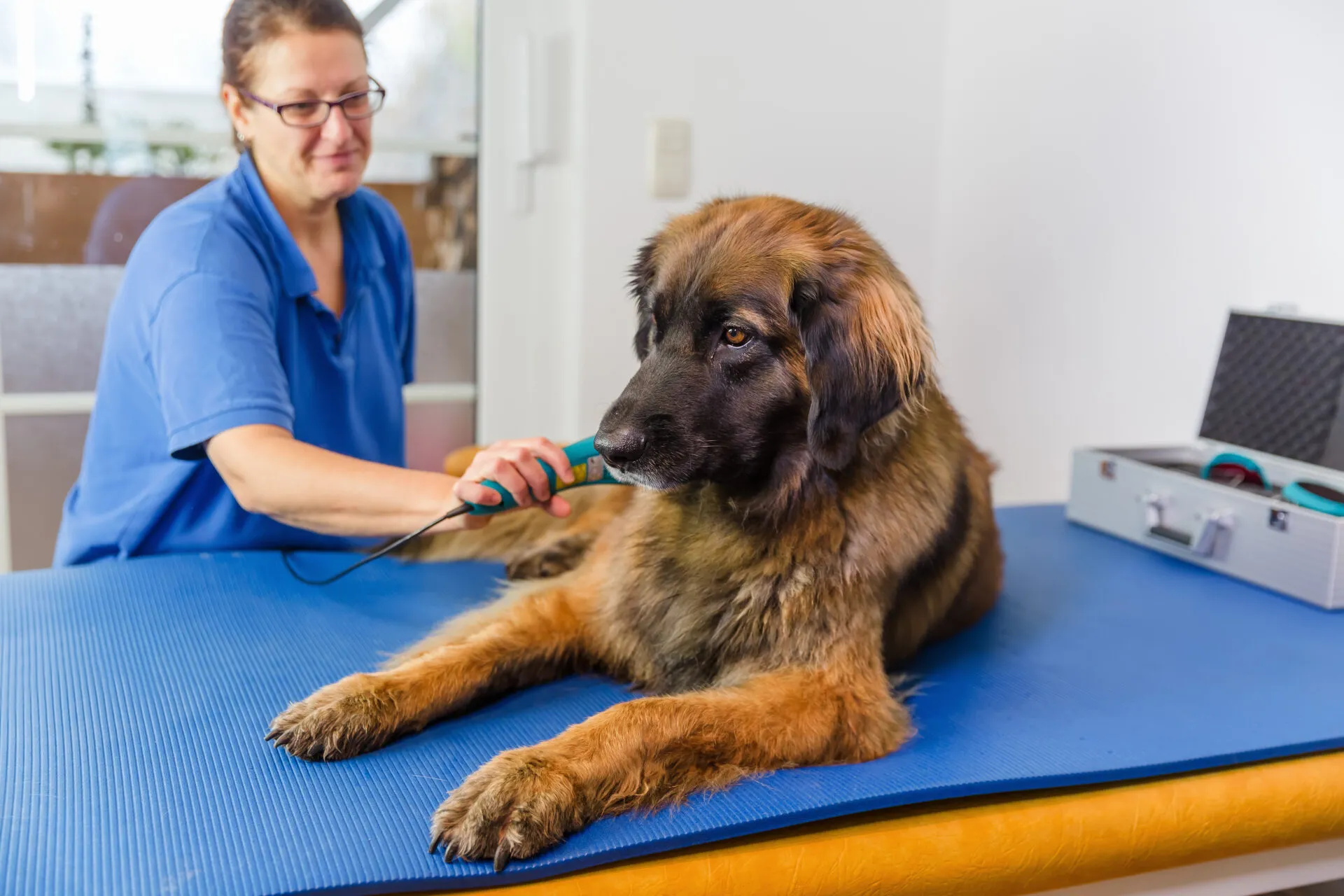
Laser therapy is being increasingly explored in veterinary medicine. Low-level laser therapy (LLLT) is used in some clinical settings to help manage pain, reduce inflammation, and support tissue healing in animals. Applications range from mobility support in aging dogs with arthritis to post-surgical recovery in cats and adjunct care for performance horses.
For pet owners and veterinary professionals, laser therapy may offer a non-invasive, drug-free adjunct that can improve comfort and function without systemic side effects. Understanding how laser therapy works for pain provides foundational context for its veterinary applications. It is not a standalone treatment for all conditions, but it is being integrated into some comprehensive veterinary care plans.
What is Laser Therapy for Animals?
Low-level laser therapy (LLLT) for animals uses specific wavelengths of red or near-infrared light to target specific areas of the body. Unlike surgical lasers, it does not cut or heat tissue. Instead, it works through a photochemical process known as photobiomodulation, which influences cellular activity. Understanding the difference between hot and cold laser therapy clarifies how veterinary LLLT operates.
In veterinary photobiomodulation, light energy penetrates the skin and is absorbed by cells, particularly within the mitochondria. This interaction can influence cellular energy production and modulate biological processes involved in inflammation and tissue repair.
Because animals cannot always clearly communicate pain, therapies that may help reduce discomfort and support mobility without adding procedural stress are often considered in veterinary care. Cold laser therapy is used in animals to support recovery and comfort.
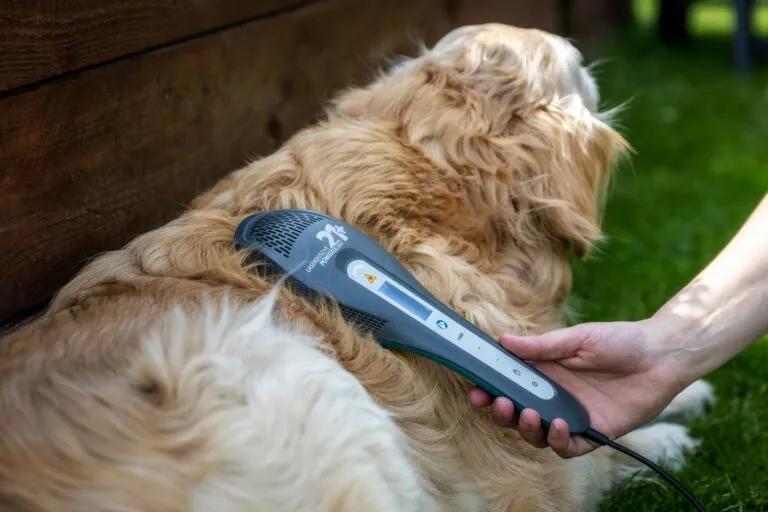
How Laser Therapy Supports Healing in Pets
The effects of pet laser treatment are linked to several biological processes at the cellular level. Understanding how LLLT stimulates cellular activity and healing helps explain these mechanisms.
One of the primary effects is increased adenosine triphosphate (ATP) production, which provides energy for cellular repair. In injured or inflamed tissues, this may support the body’s natural recovery processes.
Laser therapy may also influence inflammatory pathways by altering the activity of specific pro-inflammatory mediators, thereby reducing swelling, pain, and inflammation.
Improved microcirculation is another observed effect. Increased blood flow can support the delivery of oxygen and nutrients while assisting in the removal of metabolic waste from tissues.
There is also evidence that photobiomodulation may influence nerve conduction, potentially reducing pain sensitivity and improving comfort during movement.
These combined effects help explain why veterinary photobiomodulation is used in both acute injuries and longer-term conditions.
Common Uses of Laser Therapy in Veterinary Care
Laser therapy is used in several clinical situations as part of pet laser treatment protocols.
Arthritis and Joint Pain
One of the most common applications is in older pets with arthritis. Dogs, in particular, frequently develop osteoarthritis as they age.
Some studies suggest that low-level laser therapy may help reduce pain and improve mobility in dogs with osteoarthritis, with effects varying depending on treatment protocol and severity of the condition. This parallels findings in human laser therapy for arthritis pain research. In one study, arthritic dogs treated with low-level laser therapy showed less pain and improved quality of life as early as after the first session, with continued gains over 8 weeks. This makes it a potential option for managing chronic joint pain.
Post-Surgical Recovery
After surgery, controlling inflammation and supporting tissue repair are important. Laser therapy may be used to support healing at surgical sites and may contribute to improved comfort during recovery. The same principles that support wound healing and tissue repair in humans apply to veterinary contexts.
Wound Healing
For cuts, abrasions, or chronic wounds, laser therapy may support the healing process by improving circulation and cellular activity. It is typically used alongside standard wound care practices.
Soft Tissue Injuries
Sprains, strains, and muscle injuries are common in active animals. Laser therapy may assist recovery by helping to modulate inflammation and support tissue repair. This is conceptually similar to how LLLT supports athletic recovery from common sports injuries in human patients
Hip Dysplasia in Dogs
In dogs with hip dysplasia, chronic joint stress can lead to pain and reduced mobility. Cold lasers may help manage symptoms and improve comfort, especially when combined with weight management and physical therapy.
Equine Applications
In horses, laser therapy is used for tendon injuries, joint issues, and performance recovery. Its ability to target both superficial and deeper tissues makes it suitable for managing a range of musculoskeletal conditions in large animals.
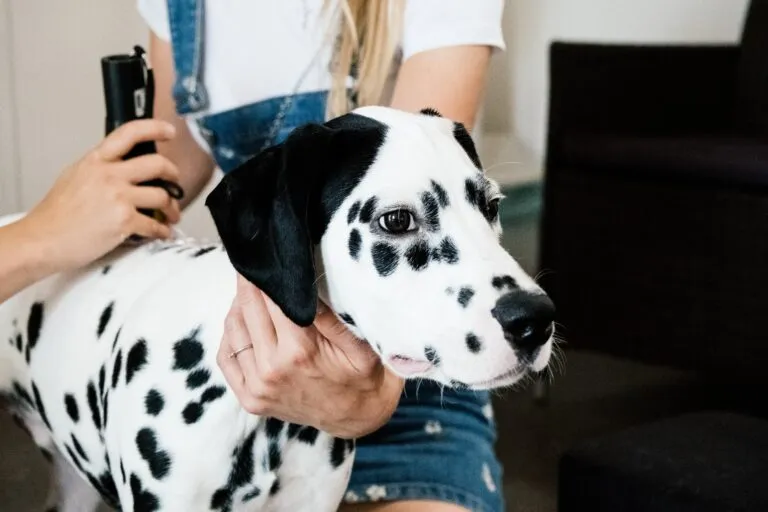
What to Expect During a Laser Therapy Session
Understanding the treatment process can help pet owners feel more confident and at ease with laser therapy.
- Assessment: The veterinarian examines the animal’s condition, medical history, and suitability for laser therapy.
- Treatment session: : A handheld laser device such as the Erchonia GVL or the Erchonia XLR8 is applied to the skin over the affected area. The procedure is painless, and most animals tolerate it well. Some may even appear relaxed during the session.
- Duration: Sessions typically last from a few minutes to around 20 minutes, depending on the area and the condition being treated.
- Frequency: Treatment is usually delivered as a series of sessions over several weeks. The exact schedule depends on the condition and how the animal responds
- Aftercare: There is no downtime. Pets can usually return to normal activity unless otherwise advised by the veterinarian.
- Response timeline: Some animals show early improvement, while others require multiple sessions before noticeable changes occur. Consistency is often important for lasting results.
Safety and Considerations of Laser Therapy for Animals
Laser therapy is generally considered safe when performed by trained veterinary professionals. Because it does not involve drugs or invasive procedures, adverse effects are uncommon. Following laser safety guidelines helps ensure correct application. It is also important to understand that true lasers differ from LEDs in ways that affect clinical outcomes, which is a relevant consideration for veterinary device selection.
Protective eyewear is typically used for both the animal and the practitioner during treatment to prevent exposure of the eyes to laser light.
However, a cold laser is not suitable for every condition in animals. A proper veterinary diagnosis is necessary before starting treatment, as some cases may require medication, surgery, or other interventions instead.
Responses to laser therapy can vary between animals. Factors such as the severity of the condition, overall health, and consistency with the treatment plan can all influence outcomes.
Questions to Ask Your Veterinarian
If you are considering laser therapy for your pet, it is useful to ask the questions below:
- What condition is being treated with laser therapy?
- What evidence supports its use in this case?
- How many sessions are expected?
- What improvements should be expected, and when?
- How will this be combined with other treatments?
These questions can help you understand whether the treatment is appropriate. Veterinary professionals evaluating equipment options can explore how to choose the right LLLT device and review the benefits of implementing laser therapy in their practice
Conclusion
Laser therapy is an evolving tool in veterinary medicine that supports the body’s natural healing processes through light-based energy. While it is not a replacement for conventional treatments, it is increasingly used as a supportive option for managing pain, inflammation, and tissue repair across a range of conditions.
Its applications span arthritis management, post-surgical recovery, wound healing, and soft tissue injuries, with growing use in both small and large animals. However, responses vary depending on the condition, treatment protocol, and the individual animal.
For pet owners, understanding what laser therapy can and cannot do is important when considering it as part of a care plan. When properly diagnosed and administered by a veterinarian, laser therapy for pets may offer a low-risk option to support pets’ comfort and quality of life.
Frequently Asked Questions
Q1. What is laser therapy for pets?
Laser therapy for pets uses specific wavelengths of red or near-infrared light applied to targeted areas of an animal’s body. It works through photobiomodulation, influencing cellular energy production and modulating inflammation without heat, drugs, or invasive procedures.
Q2. Does laser therapy help dogs with arthritis?
Studies suggest LLLT may help reduce pain and improve mobility in dogs with osteoarthritis. Some arthritic dogs show improved comfort and quality of life after a course of treatment, with effects varying by severity and treatment protocol.
Q3. Is laser therapy safe for animals?
LLLT is generally considered safe when performed by trained veterinary professionals. It does not involve drugs or invasive procedures, so adverse effects are uncommon. Following established laser safety guidelines helps ensure appropriate application.
Q4. What conditions can laser therapy treat in pets?
Common veterinary applications include arthritis and joint pain, post-surgical recovery, wound healing, soft tissue injuries, and hip dysplasia in dogs. It is also used in equine care for tendon injuries and performance recovery.
Q5. How long does a pet laser therapy session last?
Sessions typically last from a few minutes to around 20 minutes depending on the area and condition being treated. There is no downtime, and pets can usually return to normal activity immediately.
Q6. How many sessions does a pet need?
Treatment is usually delivered as a series of sessions over several weeks. Some animals show early improvement, while others require multiple sessions before noticeable changes occur. Consistency is important for lasting results, similar to optimizing recovery with laser therapy in human patients.
Q7. Does laser therapy replace medication for pets?
Laser therapy is not designed to replace medication or surgery. It is best used as a non-invasive adjunct that can complement other treatments and may help reduce reliance on long-term pain medication where appropriate.
Q8. What is photobiomodulation in veterinary medicine?
Photobiomodulation is the process by which specific light wavelengths interact with cells to support biological functions like tissue repair and inflammation control. Understanding how LLLT stimulates cellular activity helps explain the mechanisms behind veterinary laser therapy.
Q9. Can laser therapy be used on cats and horses?
Yes. Laser therapy is used across species, including cats for post-surgical recovery and wound care, and horses for tendon injuries, joint conditions, and performance recovery. Treatment parameters are adjusted based on the animal’s size and condition.
Q10. What devices are used for veterinary laser therapy?
Handheld devices such as the Erchonia GVL and the Erchonia XLR8 deliver specific wavelengths suited to veterinary applications. Understanding how to choose the right LLLT device is important when evaluating treatment options for animal patients.


